
Welcome to the Travel By Tips Morocco travel guide. If you are planning your first trip, this page is the best place to start. It brings together the essentials, from choosing where to go and how long to stay to getting around, budgeting and respecting local customs, with links to our detailed guides for each destination.
Morocco at a Glance
- Capital: Rabat. Largest city: Casablanca.
- Currency: Moroccan dirham (MAD), a closed currency you obtain on arrival.
- Languages: Arabic and Amazigh are official; French is widely used, Spanish in the north, English in tourist areas.
- Plugs: European types C and E, 220 V.
- Entry: many nationalities can visit visa-free for up to 90 days, but check the current rules for your passport before you travel. More in our Morocco travel FAQ.
Where to Go in Morocco
Morocco is larger and more varied than many visitors expect. Most first trips combine two or three of these regions:
The Imperial Cities
Marrakech is the classic starting point, with its lively medina, riads and gardens. Fes has the largest and most atmospheric medieval medina. Meknes is quieter and close to the Roman ruins of Volubilis, and Rabat, the capital, is relaxed, green and easy to explore.
The Sahara and the Kasbah Route
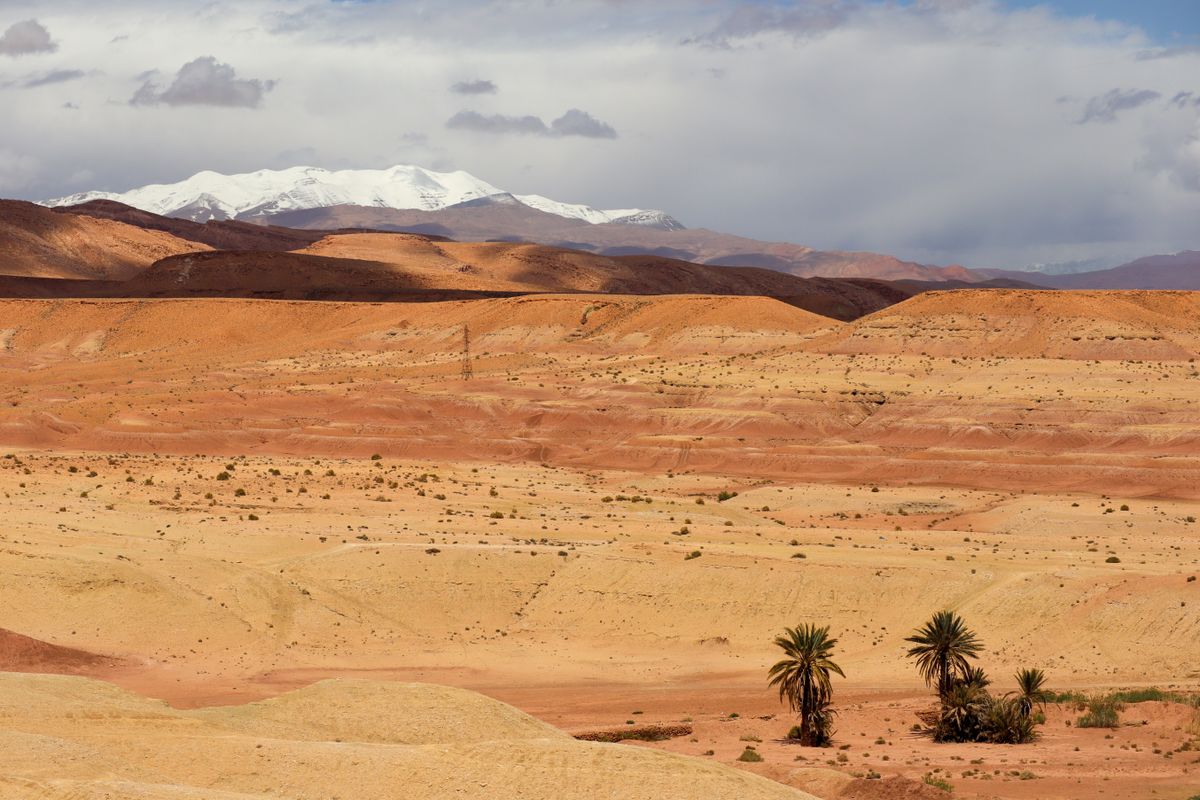
South of the High Atlas, the road passes Ait Ben Haddou, Ouarzazate, the Dades and Todra gorges and on to the dunes of Erg Chebbi near Merzouga. For a wilder experience, head to Erg Chigaga via Zagora and M’Hamid.
The Atlas Mountains
Just over an hour from Marrakech, villages like Imlil and valleys like Ourika offer walks, Berber hospitality and fresh air. Experienced hikers can climb North Africa’s highest peak on the Toubkal trek.
The Coast and the North
On the Atlantic, windy Essaouira is ideal for a slower pace, while Agadir and Taghazout are known for beaches and surf. In the north, Tangier and the blue town of Chefchaouen are easy to combine. Browse every region on our Morocco destinations page.
Sample Morocco Itineraries
One Week: Marrakech, the Atlas and the Sahara
- Days 1–2: Marrakech medina, souks and gardens.
- Days 3–5: over the High Atlas via Ait Ben Haddou and the Dades Valley to a desert camp at Erg Chebbi.
- Days 6–7: return to Marrakech, or continue north to Fes and fly home from there.
Ten Days: Imperial Cities and the Desert
Start in Casablanca or Rabat, take the train to Fes (with a day trip to Meknes and Volubilis), cross the Middle Atlas via Ifrane and Midelt to Merzouga, then follow the kasbah route west to Marrakech.
Two Weeks: The Grand Loop
Add Tangier and Chefchaouen at the start, and finish with a few relaxing days in Essaouira after Marrakech. This route shows you the north, the cities, the mountains, the desert and the ocean.
When to Visit Morocco
Spring and autumn offer the best balance of warm days and comfortable nights in most regions. Summer suits the coast and the mountains but is very hot in Marrakech, Fes and the desert. Winter brings sunny days in the south, cold desert nights and snow in the High Atlas. Plan around Ramadan if you want normal opening hours, or embrace it for a different experience.
Getting Around
Trains are the easiest way to travel between Tangier, Rabat, Casablanca, Fes and Marrakech. Long-distance buses reach almost everywhere else, and shared grand taxis cover shorter routes. Renting a car gives you freedom in the south and the mountains. Our full guide explains how to get around Morocco.
Budget and Money Tips
- Morocco suits every budget, from simple guesthouses to luxury riads. Costs rise in Marrakech and in high season.
- Withdraw dirhams from ATMs on arrival and carry small notes for taxis, snacks and tips.
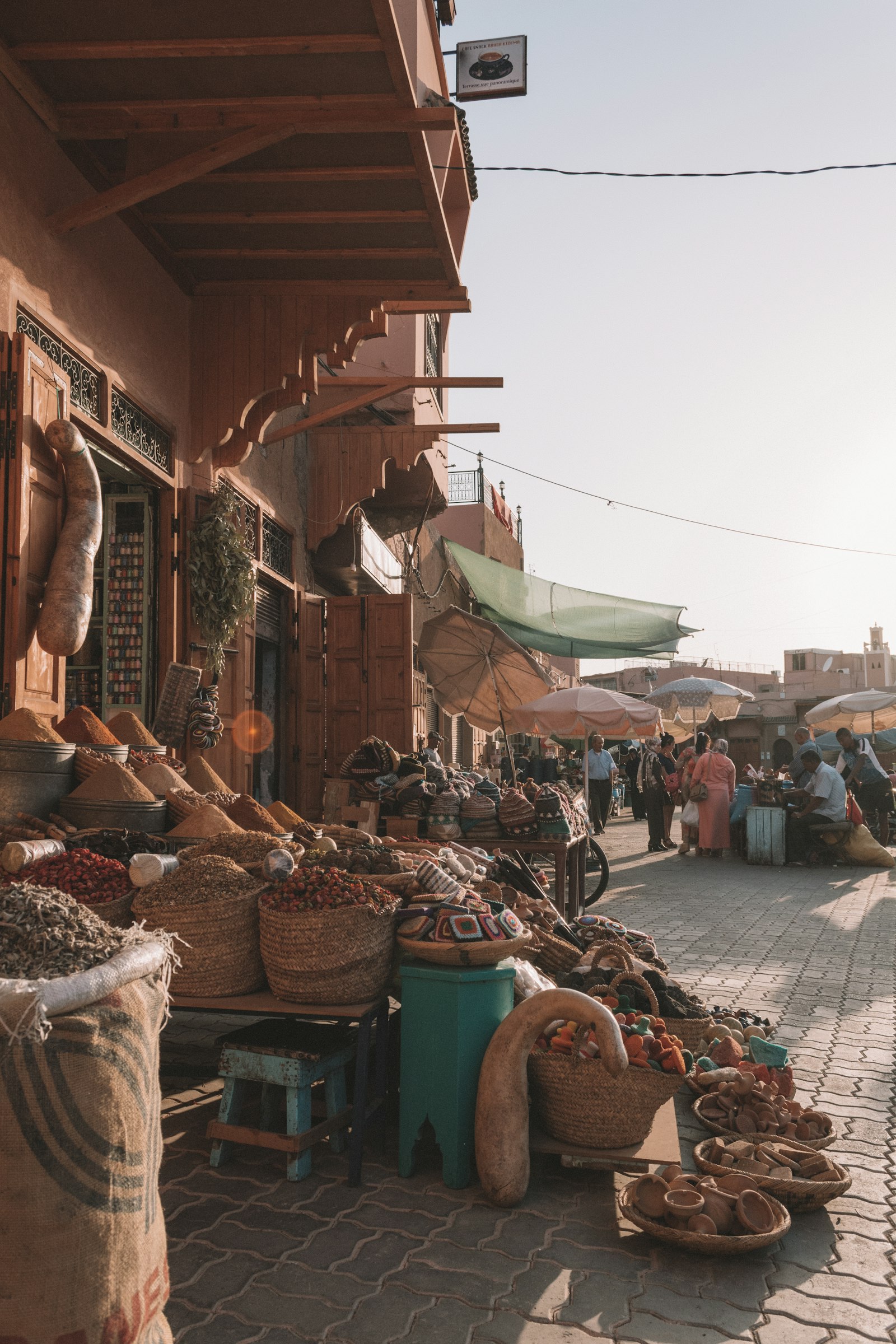
- Prices in souks are rarely fixed: bargaining is expected, politely and with a smile.
- Compare desert tours carefully: the cheapest options often mean long drives and basic camps.
Culture and Etiquette
- Dress modestly in cities and villages; covering shoulders and knees is respectful.
- Ask before photographing people, and accept a “no” gracefully.
- Use your right hand for eating and giving or receiving things.
- Accepting a glass of mint tea is a sign of friendship; a few words of Darija or French are always appreciated.
Staying Safe
Morocco is a welcoming country and serious problems are rare. Watch your belongings in crowded medinas, be firm but polite with unofficial guides, agree taxi fares in advance or use the meter, and check your government’s travel advice before departure.
Next Steps
Ready to plan the details? Explore our destination guides by region, read the Morocco travel FAQ or browse the latest articles on the blog. If you have a question we have not answered, get in touch.