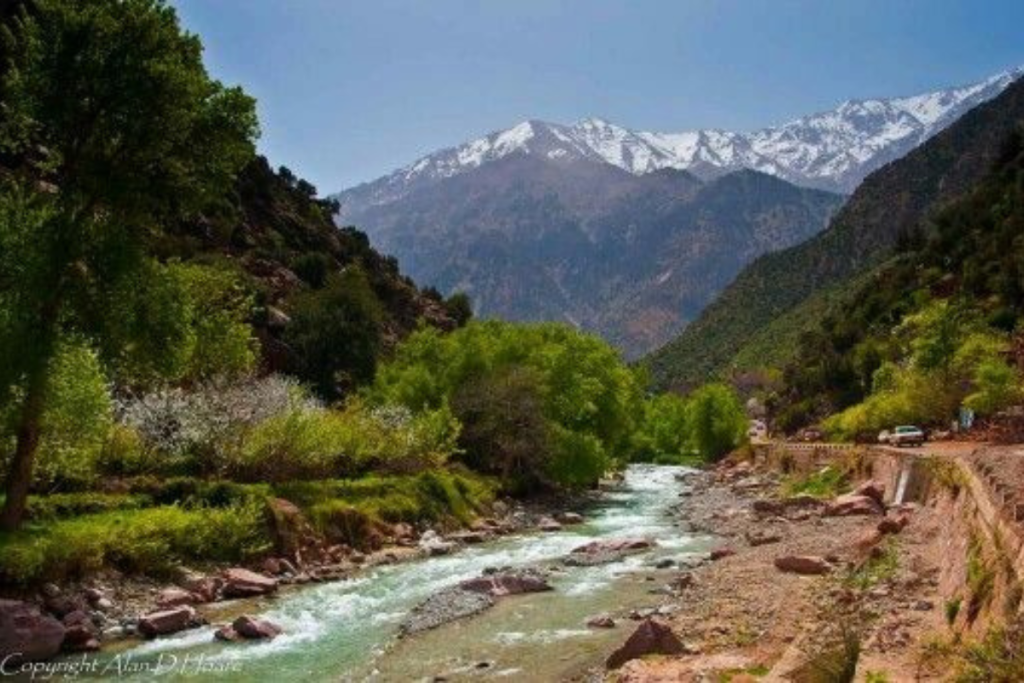
Nestled just 30 kilometers south of Marrakech, the Ourika Valley is one of Morocco’s most breathtaking natural escapes. This verdant paradise carved into the foothills of the High Atlas Mountains offers travelers a refreshing retreat from the bustling medinas and sun-soaked plains of Marrakech. Whether you’re seeking cascading waterfalls, authentic Berber culture, or peaceful mountain hiking, the Ourika Valley delivers an unforgettable experience that captures the essence of rural Morocco.
For anyone planning a trip to Marrakech, a day trip to the Ourika Valley is an absolute must. The journey itself is part of the adventure, as the winding road takes you through dramatic landscapes that shift from arid flatlands to lush, terraced hillsides lined with walnut and cherry trees. According to the Moroccan National Tourism Office, the valley remains one of the most visited natural attractions near the Red City thanks to its accessibility and year-round appeal.
Getting to Ourika Valley from Marrakech
Reaching the Ourika Valley is remarkably easy, making it one of the most accessible day trips from Marrakech. Here are the most popular ways to get there:
- By Private Car or Taxi: The drive takes approximately 45 minutes to one hour along the R512 road. Grand taxis can be hired from Marrakech for a reasonable price, especially if you share the ride with other travelers.
- By Organized Tour: Many tour operators in Marrakech offer half-day and full-day excursions to the valley, often including stops at Berber villages, a local market, and the famous waterfalls.
- By Public Bus: Budget travelers can catch a local bus from the Bab Rob bus station, though the schedule may be less reliable.
If you’re exploring other Moroccan destinations, consider checking out our Morocco travel tips for comprehensive planning advice.
7 Must-See Escapes in the Ourika Valley
1. Hike to the Famous Setti Fatma Waterfalls
The famous Setti Fatma waterfalls are undoubtedly the crown jewel of the Ourika Valley. Located at the far end of the valley, this series of seven cascading waterfalls attracts hikers and nature lovers from around the world. The hike to the first waterfall takes about 30 to 45 minutes and is moderately challenging, involving some rock scrambling along the riverbed.
Local guides are available at the trailhead and are highly recommended, especially during wet conditions when the path can become slippery. The reward at the top is a spectacular view of water tumbling over moss-covered rocks into crystal-clear pools — a sight that makes every step worthwhile.
2. Explore Authentic Berber Villages
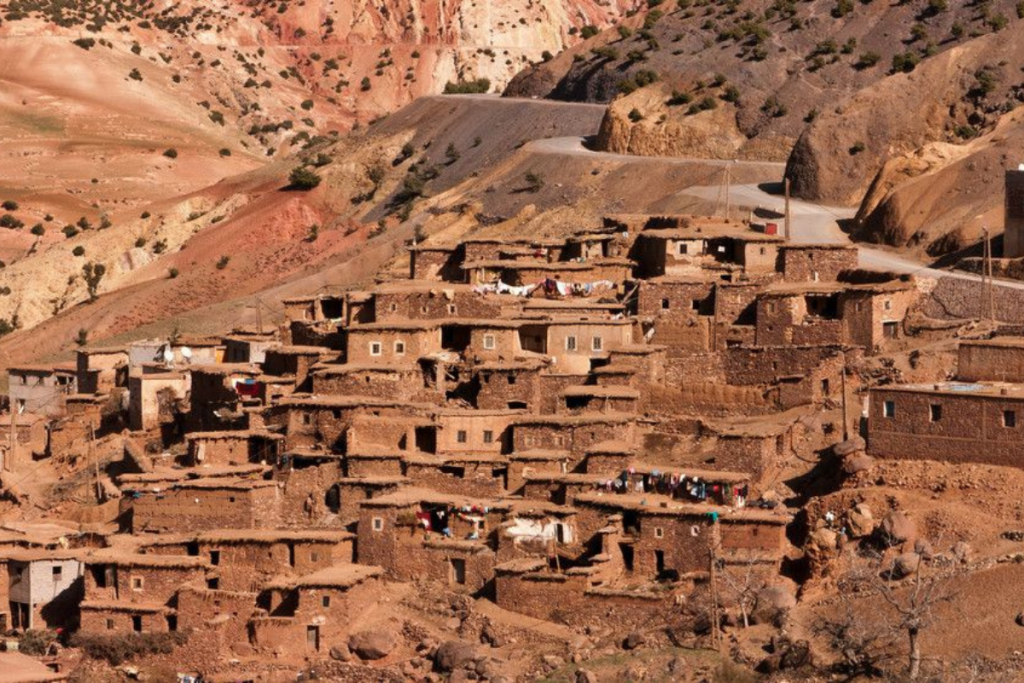
One of the most enriching aspects of visiting the Ourika Valley is experiencing authentic Berber culture. Small villages dot the valley floor and mountainsides, where families have lived for generations following traditional ways of life. Many homes are built from local clay and stone, blending seamlessly into the landscape.
Some villagers welcome tourists into their homes for traditional mint tea and homemade bread, offering a genuine glimpse into daily life in the Atlas Mountains. These communities maintain UNESCO-recognized intangible heritage, including traditional music, craftsmanship, and agricultural practices passed down through centuries.
3. Visit the Saffron Garden and Berber Ecomuseum
Along the road to Setti Fatma, you’ll find the Berber Ecomuseum and a traditional saffron garden. The ecomuseum provides fascinating insights into Berber history, traditional crafts, and the medicinal plants used by mountain communities for centuries. The saffron garden showcases how this precious spice — often called “red gold” — is cultivated in the harsh mountain climate.
4. Enjoy Riverside Dining
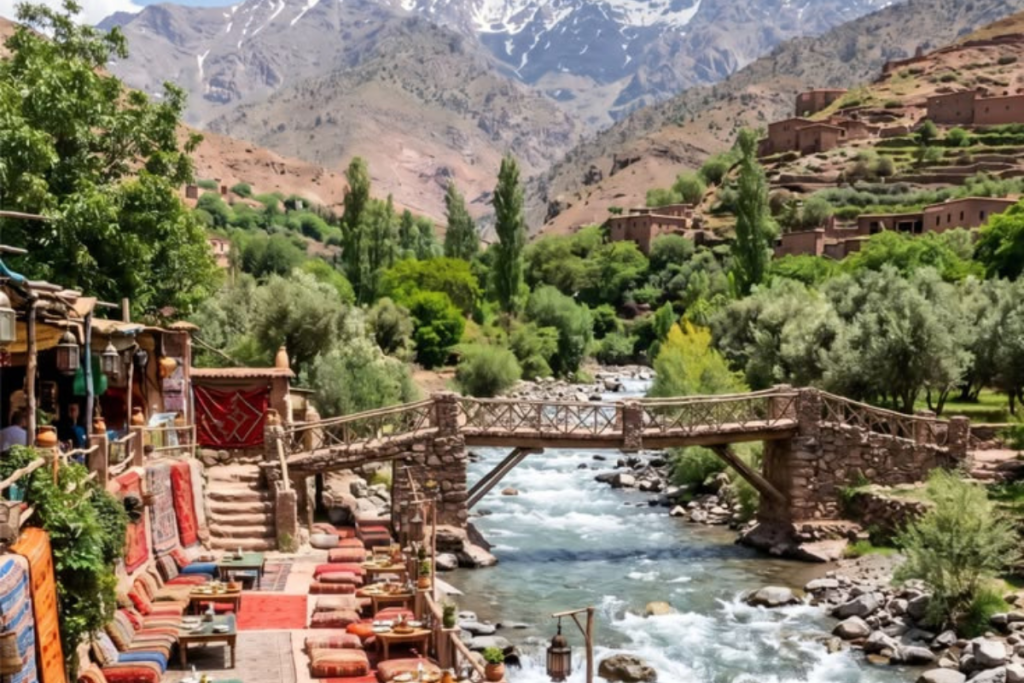
The Ourika Valley is famous for its charming riverside restaurants built on platforms directly over the rushing waters of the Ourika River. These restaurants serve traditional Moroccan dishes such as tagine, couscous, and freshly grilled trout caught from the river. Sitting with your feet dangling over the cool mountain water while savoring a home-cooked meal is an experience you won’t soon forget.
5. Shop at the Monday Souk
If your visit coincides with a Monday, don’t miss the weekly souk (market) at Tnine Ourika. This bustling market is where local Berber communities gather to trade produce, spices, livestock, pottery, and handmade textiles. Unlike the tourist-oriented souks of Marrakech, this market is authentically local, giving you a true taste of Moroccan mountain commerce.
6. Discover Hidden Trails Beyond the Waterfalls
For adventurous hikers, various trails lead deeper into the mountains beyond the main waterfalls. These paths offer more seclusion and stunning panoramic views of the valley floor below. Always hire a local guide for longer treks to ensure safety and proper navigation through the rugged terrain.
7. Experience a Traditional Mountain Hammam
Some guesthouses in the valley offer traditional mountain hammams — a rustic steam bath experience using local herbs and natural spring water. This is a perfect way to relax sore muscles after a long day of hiking and immerse yourself in local wellness traditions.
Best Time to Visit Ourika Valley
The Ourika Valley can be visited year-round, but each season offers a different experience:
- Spring (March – May): The valley bursts into bloom with wildflowers, almond blossoms, and fruit trees. The waterfalls are at their fullest due to snowmelt from the Atlas Mountains. This is arguably the best time to visit.
- Summer (June – August): Locals and tourists flock to the valley to escape Marrakech’s intense heat. The river and waterfall pools provide welcome relief, and riverside restaurants are at their liveliest.
- Autumn (September – November): The crowds thin out, and the valley takes on warm golden tones. The weather is pleasant, making it ideal for hiking.
- Winter (December – February): The higher peaks may be snow-capped, creating stunning contrasts with the green valley below. Some trails may be inaccessible, but the valley itself remains beautiful and peaceful.
For more seasonal travel advice, explore our guide on the best time to visit Morocco.
Essential Travel Tips for Ourika Valley
Planning your trip carefully will ensure a smooth and enjoyable visit. Here are our top tips:
- Wear Sturdy Shoes: The hike to the waterfalls involves uneven terrain and wet rocks. Proper hiking shoes or trail sandals with good grip are essential.
- Bring Cash: ATMs are scarce in the valley. Bring enough Moroccan dirhams for guides, meals, souvenirs, and entrance fees.
- Hire a Local Guide: For the Setti Fatma waterfall hike, a local guide costs around 100–150 MAD and greatly enhances both safety and cultural understanding.
- Stay Hydrated: Bring plenty of water, especially during summer months. The altitude and physical activity can lead to dehydration quickly.
- Respect Local Culture: The Ourika Valley is a conservative Berber area. Dress modestly, ask permission before photographing locals, and be respectful in villages.
For more practical advice on navigating Morocco, visit our travel tips page.
Final Thoughts: Is Ourika Valley Worth Visiting?
Absolutely. The Ourika Valley is one of those rare destinations that manages to be easily accessible yet feels worlds away from the tourist trail. In just a short drive from Marrakech, you’ll find yourself surrounded by towering mountains, rushing waterfalls, and welcoming Berber communities eager to share their culture.
Its combination of breathtaking natural beauty, cultural richness, and simple pleasures — a hot tagine by the river, the sound of cascading water, the warmth of Berber hospitality — makes it one of Morocco’s most rewarding experiences.
Start planning your visit today, and don’t forget to check out more destination guides on Travel By Tips to make the most of your Moroccan adventure.