
Morocco is a big country, and the way you travel between cities shapes your whole trip. Some journeys are fast and comfortable by train; others are only possible by bus, shared taxi or car, often on winding mountain roads. This guide on how to get around Morocco explains each option, when it makes sense, and the small details that save time, money and stress.
How to Get Around Morocco at a Glance
- Train: best for the northern and central cities: Tangier, Rabat, Casablanca, Fes, Meknes and Marrakech.
- Long-distance bus: the way to reach places without a railway, such as Agadir, Essaouira, Chefchaouen and the south.
- Grand taxi: shared cars for short hops between towns and villages.
- Petit taxi: small city taxis for getting across town.
- Car or private driver: the most freedom for the Atlas, the valleys and the desert.
Trains: The Fastest Way to Get Around Morocco on the Main Routes
Morocco’s railways are run by the national operator, ONCF. The network covers the north and the centre of the country, and for those routes the train is usually the most relaxing choice: no traffic, no haggling, and you can watch the countryside go by.
Al Boraq, the High-Speed Train
Al Boraq, Africa’s first high-speed line, links Tangier with Kenitra, Rabat and Casablanca. The full run from Tangier to Casablanca takes a little over two hours, compared with more than four on the old line. If you arrive in Tangier by ferry from Spain, it is the quickest way south. A high-speed extension from Kenitra to Marrakech is under construction and is not expected before the end of the decade, so for now the onward journey to Marrakech uses classic trains.
Classic Trains
Regular intercity trains connect Casablanca and Rabat with Marrakech, Fes, Meknes and Oujda. Casablanca to Marrakech takes around three hours and is one of the most useful routes for visitors. Fes to Marrakech is a long day, around seven hours, so many travellers break the journey or fly instead. There is also a night train between Tangier and Marrakech with couchettes.
Train Tips
- Buy tickets on the ONCF Voyages website or app, or at the station. Book Al Boraq ahead on weekends and holidays.
- First class costs a little more but guarantees a seat and is calmer on busy days.
- Casablanca has several stations. Casa-Voyageurs is the main one for long-distance trains; Casa-Port is closer to the old centre.
- Delays on classic lines are common. Do not plan a tight connection to a flight or bus.
Long-Distance Buses: Where the Rails End
Large parts of Morocco have no railway at all, including Agadir, Essaouira, Chefchaouen, Ouarzazate and the desert towns. Here the long-distance bus is the backbone of public transport and the most affordable way to get around Morocco between towns.
CTM and Supratours
Two companies dominate for travellers. CTM is the largest national bus company, with its own stations in most cities. Supratours is linked to the railway and runs buses that connect with trains, so you can buy a single ticket from, say, Casablanca to Essaouira by train and bus. Both offer air-conditioned coaches, assigned seats and a luggage hold, where you may pay a small fee per bag.
Local Buses
Cheaper private companies leave from the main gare routière of each town. They go almost everywhere, but they stop often, can be crowded and are less predictable. They are fine for short distances; for long trips, choose CTM or Supratours.
Bus Tips
- Book a day or two ahead in high season, especially to and from Chefchaouen, where seats run out.
- Arrive 30 minutes early to check in your bag.
- Mountain roads are winding. If you get travel sick, sit near the front and take something before you leave.
- Keep a layer at hand: the air conditioning can be strong.
Grand Taxis: Shared Rides Between Towns
Grand taxis are large shared cars that run fixed routes between towns and villages. They leave from a taxi rank, usually near the bus station, once every seat is filled. Each passenger pays a set fare for the route, which locals know well; ask your guesthouse what it should be before you go.
- Short of time? You can pay for the empty seats and leave straight away, or hire the whole car for a private trip.
- Comfort: seating is tight. Paying for two seats gives you more room, which many travellers find worth it on longer trips.
- Useful for: trips such as Marrakech to the Ourika Valley or Imlil, Fes to Meknes, or Tetouan to Chefchaouen.
Petit Taxis: Getting Around Town
Petit taxis are small cars that only operate inside a city. Each city has its own colour, so you will recognise them quickly. They can carry up to three passengers and may pick up others going the same way.
- Ask the driver to use the meter, the compteur. If he refuses, agree a price before getting in or take the next taxi.
- Fares are higher at night, which is normal.
- Carry small notes and coins. Drivers often have no change for large notes.
- Ride-hailing apps exist in some big cities, but availability varies and rules change. Check locally rather than relying on them.
Renting a Car or Hiring a Driver
For the High Atlas, the kasbah valleys and the road to the dunes, a car is the most flexible way to get around Morocco, with a freedom that no bus can match. You can stop at viewpoints, visit villages and travel at your own pace.
Driving Yourself
- Traffic drives on the right. Motorways between the big cities are tolled and in good condition.
- Police checkpoints and speed checks are frequent. Keep to the limits and keep your documents at hand.
- Check before you travel whether your licence is accepted on its own or needs an International Driving Permit.
- Avoid driving inside the old medinas and, if you can, in central Casablanca. Park at a guarded car park and walk.
- Mountain passes such as the Tizi n’Tichka are slow, with trucks and sharp bends. Allow more time than the map suggests and avoid driving after dark.
Private Driver
Hiring a car with a driver costs more than self-drive but removes the stress of navigation and parking. Drivers often know good places to stop for lunch or photos. It is a popular choice for the trip from Marrakech to the Erg Chebbi dunes, which takes two long days with a night in the valleys.
Domestic Flights
Domestic flights can save a full day on long routes, such as from the north to Agadir, Ouarzazate or the far south. Many connect through Casablanca, which can make a short hop longer than expected. Compare the total door-to-door time, including getting to the airport, before booking.
The Best Way to Get Around Morocco, Route by Route
- Tangier, Rabat, Casablanca: Al Boraq high-speed train.
- Casablanca or Rabat to Marrakech or Fes: classic train.
- Marrakech to Essaouira or Agadir: CTM or Supratours bus.
- Fes to Chefchaouen: bus, booked ahead.
- Marrakech to the Atlas villages: grand taxi or private transfer.
- Kasbah valleys and the Sahara: rental car, private driver or an organised tour.
Conclusion
Learning how to get around Morocco is easier than many first-time visitors expect. Use the train in the north and centre, the bus where the rails stop, grand taxis for short hops and a car or driver for the mountains and the desert. Mix them according to your route, leave some slack in your plans, and the journeys themselves become part of the trip.
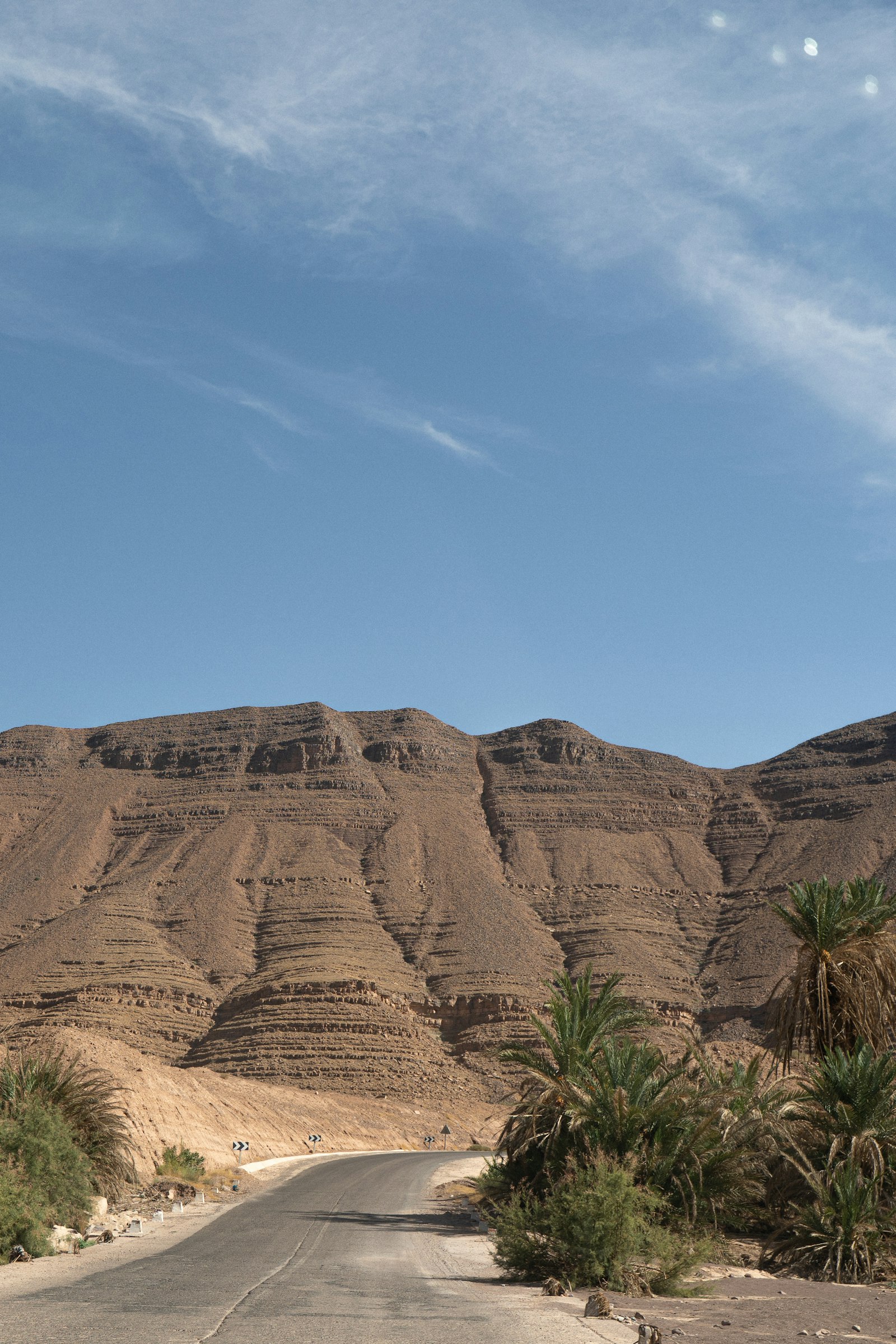
Featured image: photo by Francesca Fabian on Unsplash.