
Travelling in Morocco on a budget is easier than many people think. Street food is cheap and delicious, trains and buses are good value, and simple guesthouses offer plenty of character for the price. The catch is that costs can creep up quickly through taxis, guides, tours and impulse buys in the souk. These 20 practical tips will help you stretch your dirhams further without missing out on the experiences that make a Moroccan trip special.
Saving Money on Accommodation
1. Choose Simple Riads and Guesthouses
You do not need a luxury riad to enjoy a medina courtyard and a roof terrace. Small family-run riads, dars and guesthouses often include a generous breakfast, which saves you a meal each day. Read our tips on staying in a riad in Morocco to know what to look for.
2. Consider Hostels in the Big Cities
Marrakech, Fes, Chefchaouen, Essaouira and the surf towns near Agadir all have sociable hostels, many set in old riads. Dorm beds are the cheapest option, and private rooms are often good value for couples.
3. Travel Outside Peak Periods
Prices rise around Christmas, New Year, Easter and European school holidays. Travelling in shoulder months, or mid-week, usually brings lower room rates. Our guide to the best time to visit Morocco helps you balance weather and price.
4. Book Direct and Ask About Longer Stays
Small properties sometimes offer a better price or extras when you contact them directly, especially for stays of several nights. Always confirm whether the local tourist tax is included.
Saving Money on Food
5. Eat Where the Locals Eat
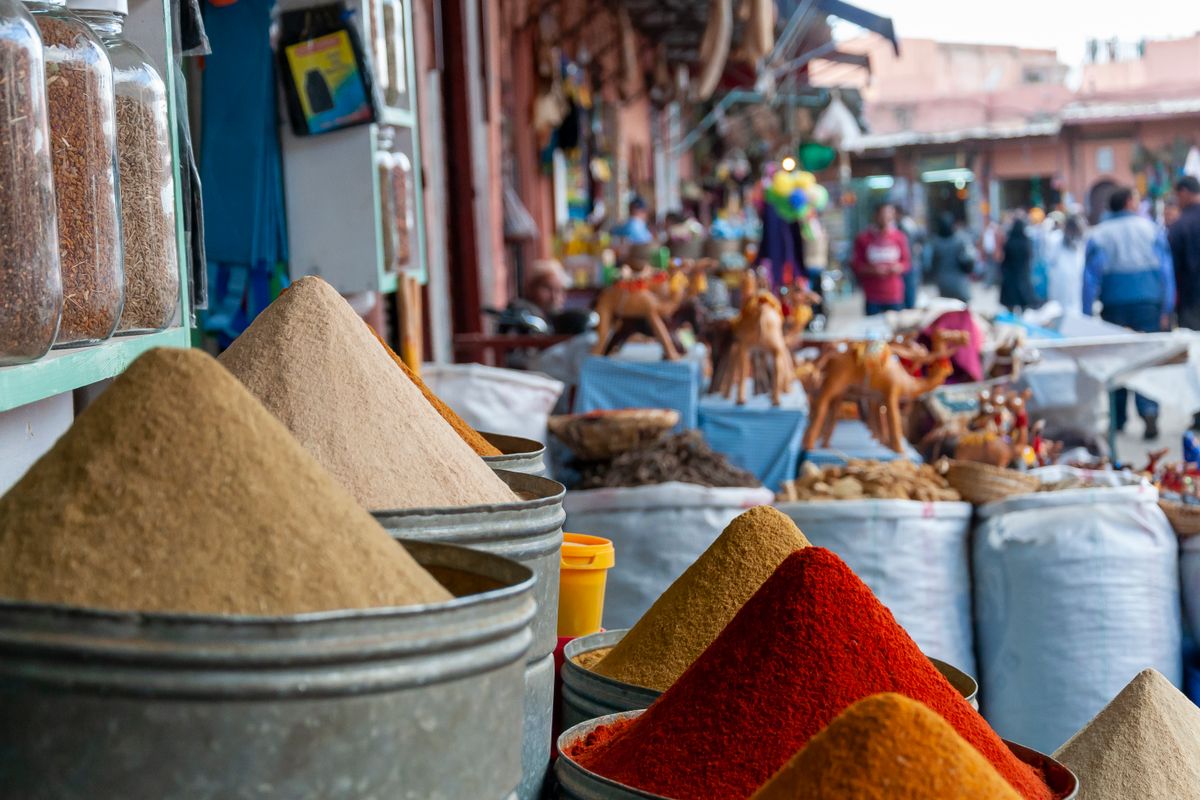
Small canteens, sandwich stalls and snack bars serve tagines, grilled meat, harira soup and fresh bread for a fraction of the price of tourist restaurants. A busy place full of Moroccans is usually a good sign. See our list of Moroccan dishes to try.
6. Make Lunch Your Main Meal
Many cafés offer a set lunch with salad, a main dish and fruit or tea. It is filling and cheaper than an evening meal in the same place.
7. Shop at Markets and Grocery Stores
Fresh fruit, nuts, dates, olives, cheese and bread from the market make an easy picnic for train journeys or day hikes. Supermarkets in the new towns are useful for water and snacks at fixed prices.
8. Check Prices Before You Order
If a menu has no prices, ask before ordering, especially for fish sold by weight and at food stalls on busy squares. Politely decline extras you did not ask for, such as bread or olives, if you do not want them on the bill.
9. Refill Instead of Buying Many Small Bottles
Buy large bottles of water and refill a reusable bottle, or travel with a filter bottle. It saves money and reduces plastic waste. Ask your riad whether they offer filtered water.
Saving Money on Transport
10. Use Trains and Long-Distance Buses
Trains link the main cities in the north and centre, while reliable bus companies cover routes that trains do not reach, such as Chefchaouen, Essaouira and the south. Both are far cheaper than private transfers. Our guide on how to get around Morocco explains which to choose.
11. Insist on the Meter in Petit Taxis
City taxis should use the meter. If the driver refuses, agree a price before getting in or wait for the next one. Shared grand taxis between towns are cheap once the car is full, and you can buy an extra seat for more space.
12. Walk Whenever You Can
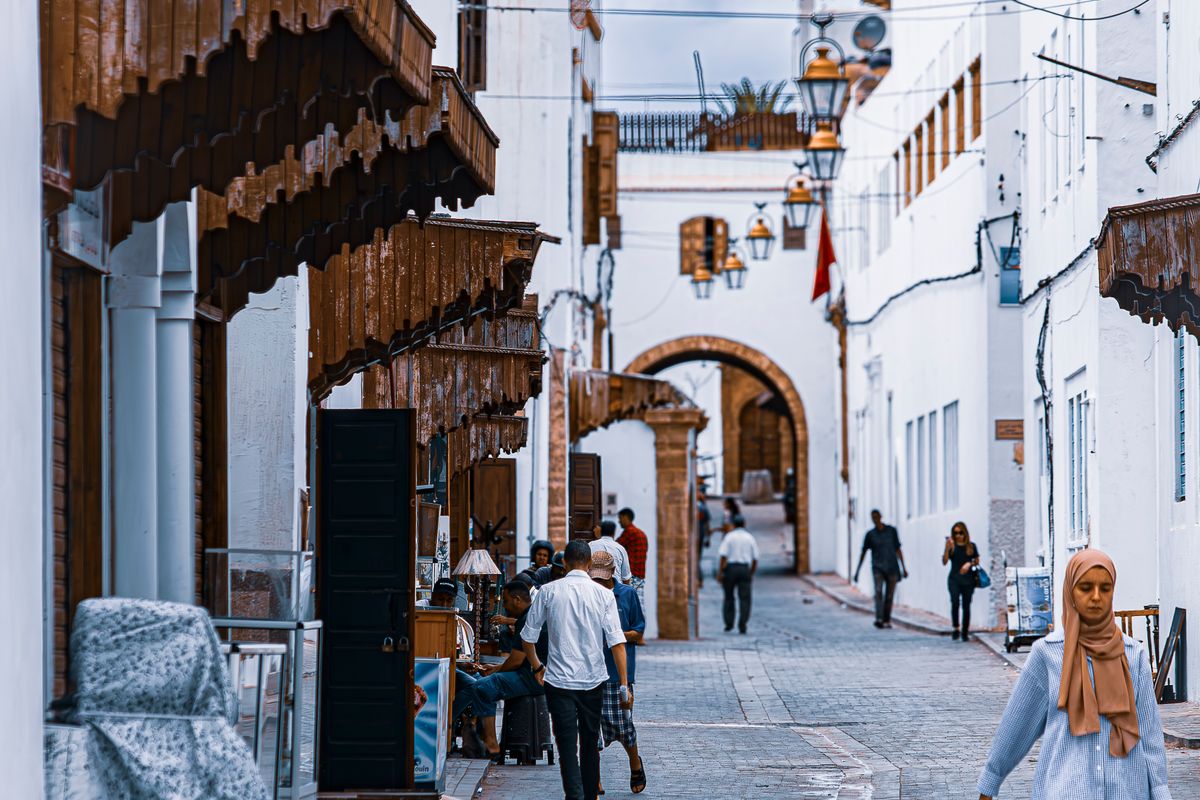
Medinas are best explored on foot anyway, and many sights in Rabat, Essaouira or Chefchaouen are within walking distance of each other.
13. Slow Down Your Itinerary
Fewer destinations means fewer transfers. Spending three nights in one place instead of one night in three places cuts transport costs and makes the trip more relaxing.
Saving Money on Sightseeing and Tours
14. Enjoy the Free Experiences
Some of Morocco’s best moments cost nothing: wandering the souks, watching the evening scene on a main square, sunset from the ramparts, a beach walk or a hike in the hills above a village.
15. Choose Shared Tours for Day Trips
Group tours to the Atlas valleys, waterfalls or the desert cost much less than private trips. Compare what is included, such as meals, guides and entry fees, before you book. Our guide to choosing a desert tour from Marrakech lists the questions to ask.
16. Hire Official Guides for Short Visits Only
A licensed guide for a half day in the Fes medina is worth it, but you do not need one everywhere. Avoid unofficial “guides” who approach you in the street; they often lead to commission shops.
17. Prioritise Your Paid Sights
Entry fees to monuments, gardens and museums are usually modest, but they add up. Pick the ones that interest you most rather than ticking off every attraction.
Money, Shopping and Everyday Costs
18. Withdraw Cash Wisely
Cash is still king in Morocco. Use ATMs attached to banks, choose to be charged in dirhams rather than your home currency, and withdraw larger amounts less often to limit fees. Avoid changing money at airports or hotels if a bank or official exchange office is nearby. Keep small notes for taxis and tips.
19. Haggle with a Smile
Prices in the souks are rarely fixed. Compare a few shops, decide what an item is worth to you and bargain politely. Our guide on how to haggle in Moroccan souks walks you through it. Fixed-price cooperatives and artisan centres are a good benchmark.
20. Budget for Tips and Small Extras
Tipping is part of daily life in Morocco: café staff, porters, drivers, guides and parking attendants all expect small amounts. Setting aside a little each day avoids surprises. Staying alert to common tricks also saves money; see our tips on common scams in Morocco.
FAQ
Is Morocco cheap to travel?
Morocco can be very affordable if you eat local food, use public transport and stay in simple guesthouses. Organised tours, luxury riads and private drivers are where costs rise quickly.
Should I pay by card or cash in Morocco?
Carry cash for most daily spending. Cards are accepted in many hotels, larger restaurants and supermarkets, but small shops, taxis and markets usually prefer cash.
Can I buy dirhams before I travel?
The dirham is a closed currency, so it is generally obtained in Morocco itself. Most travellers withdraw from an ATM or exchange money on arrival. Check current rules on carrying currency before your trip.
Conclusion
Travelling Morocco on a budget is about making smart, simple choices: eat where locals eat, take trains and buses, slow down, enjoy the free pleasures of medinas and landscapes, and keep a little cash for tips and treats. With these habits you can enjoy riads, souks, mountains and even the desert without breaking the bank.
Featured image: a busy Moroccan market street, photo by Soufian Lafnesh on Pexels.
Pingback: Morocco SIM Card Guide: SIM, eSIM and Wi-Fi Tips for Travellers
Pingback: Money in Morocco: Dirhams, ATMs, Cards and Cash Tips for Travellers