
Is Morocco safe? For the vast majority of visitors, yes. Millions of travellers explore its cities, mountains and desert every year without any serious problem, and violent crime against tourists is rare. What you are more likely to meet is petty theft, persistent sellers and a handful of well-worn scams, mostly in the busiest parts of Marrakech, Fes and Tangier. This guide explains the real risks and gives simple, practical tips to stay safe and relaxed.
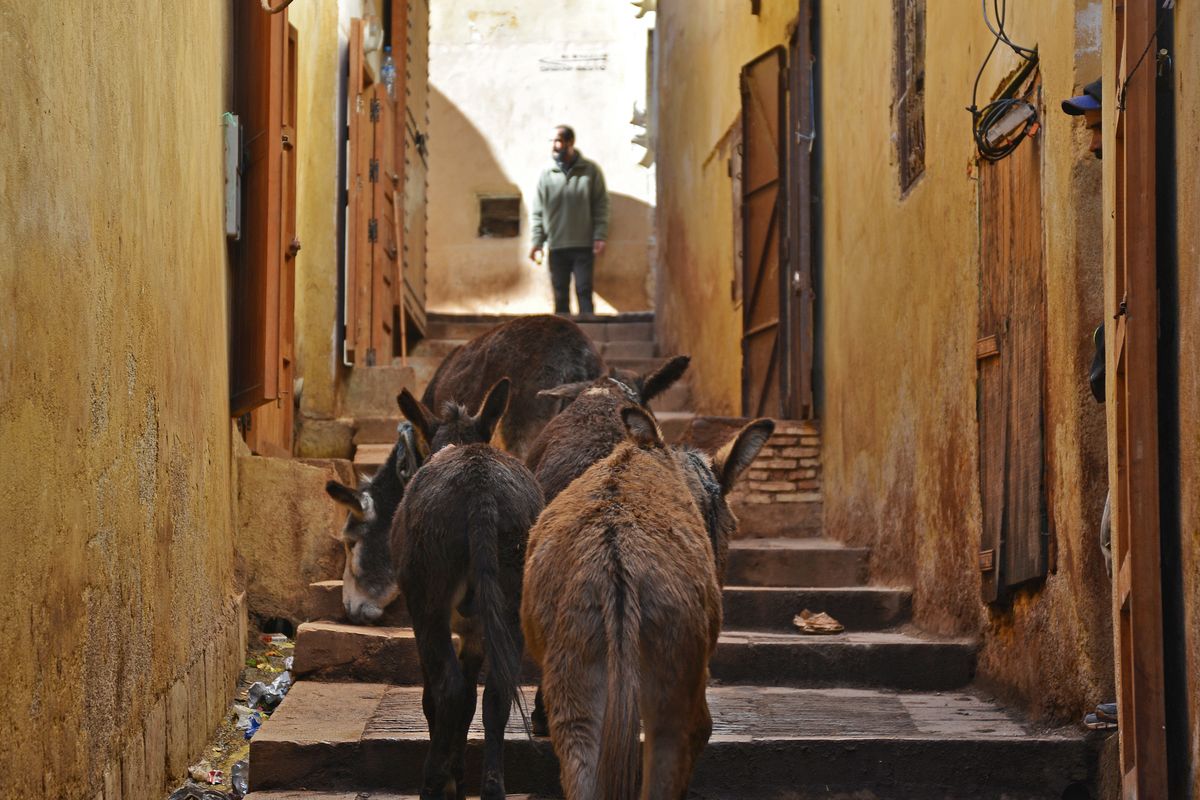
Is Morocco Safe? The Short Answer
- Main risks: pickpocketing in crowds, overcharging, fake guides and pushy touts.
- Lower risk: rural areas, mountain villages and small towns, where hospitality is strong and hassle is minimal.
- Before you go: read your government’s latest travel advice for Morocco, as it is updated regularly, and buy travel insurance.
Petty Crime: How to Protect Your Belongings
As in any popular destination, thieves target crowded places: Jemaa el-Fna in Marrakech, the main souk streets, train stations and buses. A few habits make a big difference:
- Carry a cross-body bag that zips closed and keep it in front of you in crowds.
- Keep your phone in a front pocket, not on a café table or in your hand while walking through busy lanes, where scooters pass very close.
- Leave your passport and spare cash in the hotel or riad safe and carry a photocopy or photo of it.
- Split your money between two places and use ATMs inside banks or hotels during the day.
Common Scams in Morocco and How to Avoid Them
“The Road Is Closed”
Someone tells you the street ahead is closed, the square is “that way” or the tannery is shut today, then offers to lead you elsewhere, often to a shop or a tannery viewpoint where you will be asked for money. Smile, say la, shukran (no, thank you) and keep walking. Use an offline map and trust it.
Fake and Unofficial Guides
Young men may offer to “show you the way” and then demand payment, sometimes insistently. If you need a guide, book an official licensed guide through your riad or the tourist office, and agree the price and duration in advance. If you get lost, ask a shopkeeper or a family rather than accepting help from someone who approached you.
Henna, Photos and Animals on the Square
On Jemaa el-Fna, a henna artist may grab your hand and start drawing, or a snake charmer may place a snake on your shoulders, followed by a request for a large payment. Keep your hands to yourself, decline firmly, and agree a price before any photo of performers.
Shop Pressure and “Cooperatives”
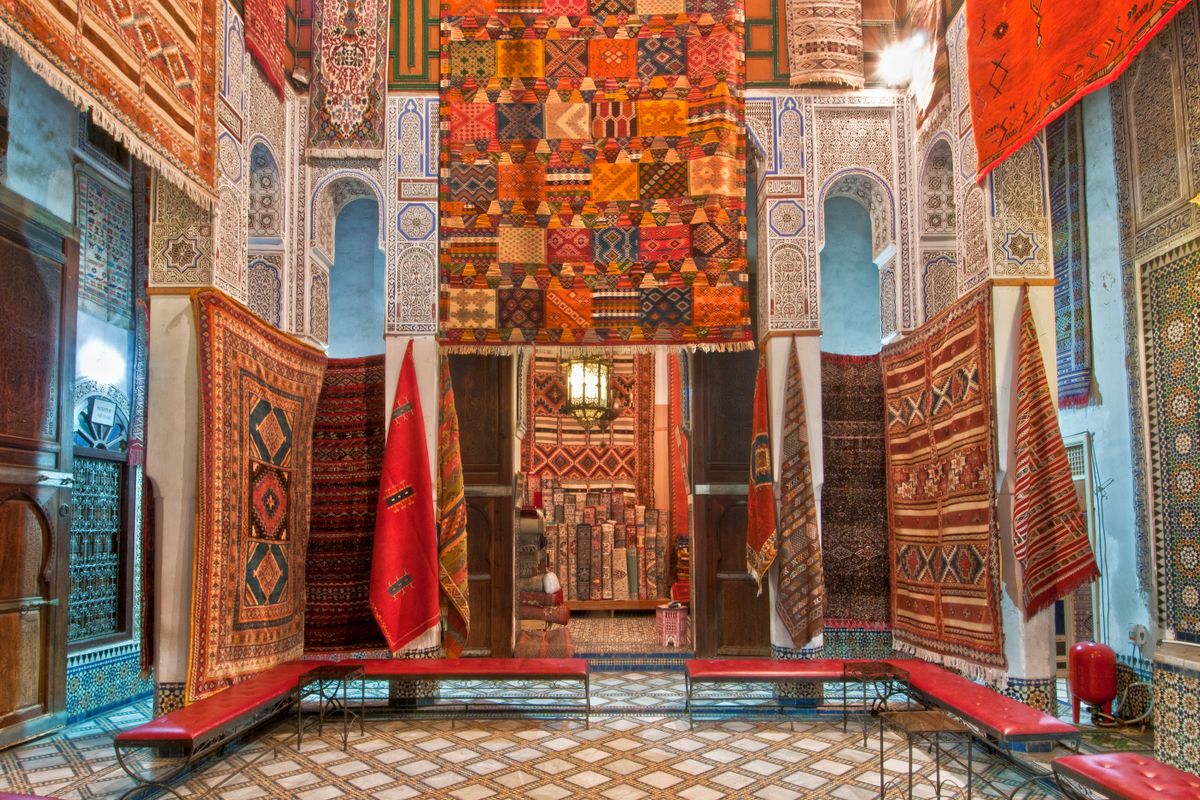
Tours sometimes end in carpet, argan or spice shops presented as “cooperatives” where prices are far above normal. You are never obliged to buy, even after tea. Our guide on how to haggle in Moroccan souks explains how to judge a fair price and walk away politely.
Taxis and Getting Around Safely
- Petit taxis (small city taxis) should use the meter. Ask for it before you set off, or agree a price if the driver refuses, and have small notes ready.
- Airport and late-night arrivals: book a transfer through your accommodation to avoid haggling when you are tired.
- Driving: roads are generally good, but watch for scooters, pedestrians and animals, avoid night driving in the mountains, and expect police checkpoints with speed checks.
For more on trains, buses and taxis, see our guide on how to get around Morocco.
Is Morocco Safe for Solo and Female Travellers?
Many women travel solo in Morocco and enjoy it, but verbal attention and comments in the street are common, especially in big-city medinas. It is usually annoying rather than dangerous. These tips help:
- Dress modestly, covering shoulders and knees; it noticeably reduces attention.
- Walk with purpose, ignore comments and avoid long conversations with strangers who approach you.
- Choose well-reviewed riads with helpful staff, and ask them to arrange guides and transport.
- Avoid empty medina lanes late at night; take a taxi or ask your riad to send someone to meet you.
- If you feel unsafe, step into a shop, café or hotel and ask for help. Moroccans will usually intervene.
Understanding local customs also helps you read situations; see our guide to Moroccan etiquette.
Health and Natural Hazards
- Water: stick to bottled or filtered water, especially in the first days, and be careful with salads and unpeeled fruit if you have a sensitive stomach.
- Sun and heat: wear a hat, drink plenty of water and avoid long walks in the midday heat, particularly in the south and the Sahara in summer.
- Mountains: conditions in the High Atlas change fast. Hike with a local guide on longer routes and check the weather, especially in winter.
- Ocean: Atlantic beaches can have strong currents. Swim where locals swim and respect flags.
Emergency Numbers in Morocco
- Police (in towns): 19
- Fire and ambulance: 15
- Gendarmerie Royale (rural areas and highways): 177
Save your embassy’s contact details and your riad’s phone number on your phone, and in big cities look out for the tourist police, who can help with thefts and harassment.
FAQ
Is Marrakech safe at night?
Jemaa el-Fna and the main streets are busy and lively until late. Stick to well-lit routes, keep valuables secure and take a taxi or ask your riad for an escort if your accommodation is down quiet lanes. See our Marrakech travel guide for more.
Is the Sahara safe to visit?
Yes, the popular desert areas of Merzouga and M’Hamid are well used to visitors. Book with a reputable camp or tour operator and follow their advice on heat, water and staying with the group.
Should I get travel insurance for Morocco?
Yes. Choose a policy that covers medical care, theft and any activities you plan, such as trekking or quad biking.
Conclusion
So, is Morocco safe? With common-sense precautions, it is a welcoming and rewarding destination. Protect your belongings in crowds, learn to recognise the usual scams, use official guides and metered taxis, and dress respectfully. Do that, and the hassle fades into the background, leaving you free to enjoy the hospitality that makes Morocco so special.
Featured image: a busy market street in Marrakech, photo by Tony Zohari on Pexels.
Pingback: Morocco with Kids: Family Travel Tips for a Stress-Free Trip