
Sorting out money in Morocco is one of those small things that makes a big difference to your trip. The local currency cannot be bought freely abroad, card acceptance is patchy outside hotels, and prices are sometimes quoted in units that confuse even seasoned travellers. This guide explains how the Moroccan dirham works, where to exchange cash, how to use ATMs and cards without losing money on fees, and how much cash to carry day to day.
The Moroccan Dirham: The Basics
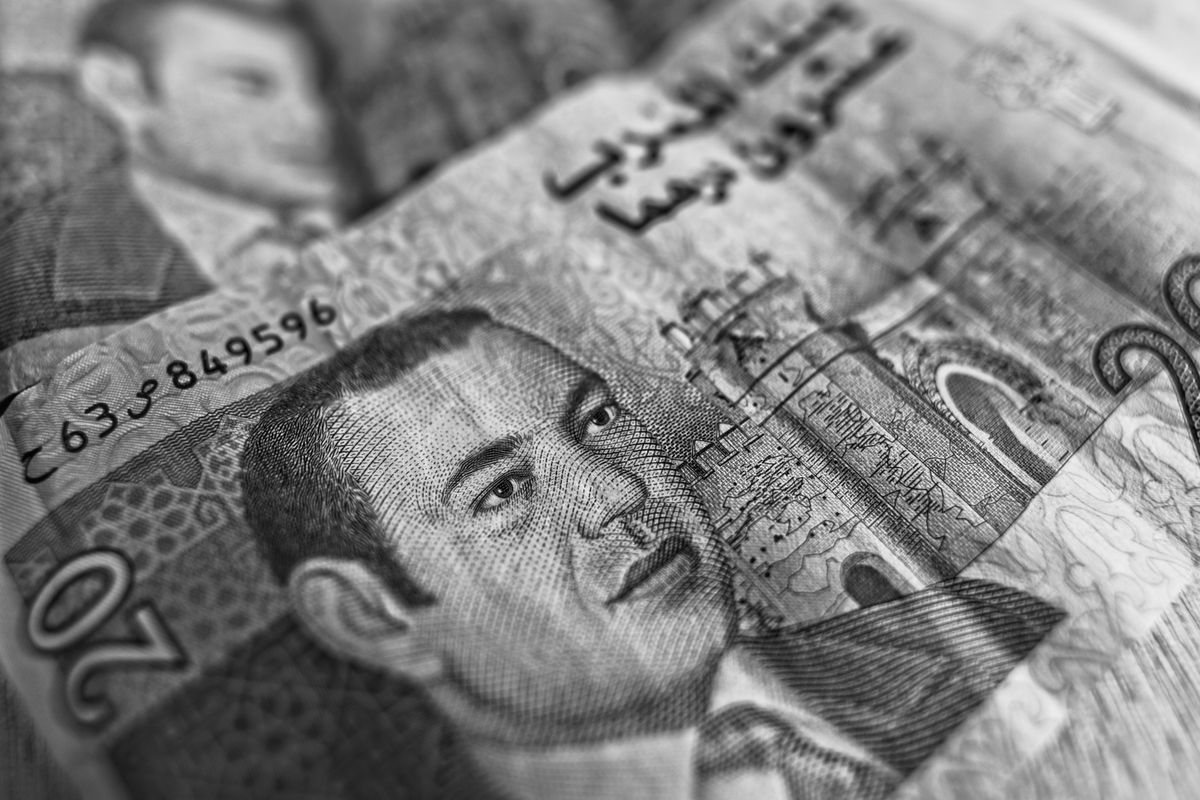
Morocco’s currency is the dirham, written MAD or DH on price tags and menus. One dirham is divided into 100 centimes. Banknotes come in 20, 50, 100 and 200 dirhams, and you will handle coins of 1, 2, 5 and 10 dirhams, plus smaller centime coins that are mostly used for change in shops.
The dirham is a controlled currency. You generally cannot order it from your bank at home, and taking dirhams in or out of the country is restricted to a limited amount. Rules can change, so check the current allowance with your airline, bank or the Moroccan authorities before you travel, and plan to get your dirhams on arrival.
Understanding Local Price Talk: Rials and Centimes
Written prices are almost always in dirhams, but in conversation, especially in markets and with older vendors, you may hear prices in rials or in centimes (sometimes called francs). One dirham equals 20 rials, so “100 rials” means 5 dirhams, while “1,000 centimes” means 10 dirhams. If a number sounds surprisingly high, simply ask “dirham?” to confirm. Vendors are used to this and will happily switch.
Where to Exchange Money in Morocco
- Airports and ports: exchange offices are open for most arrivals, so you can change enough for a taxi and your first day as soon as you land.
- Banks: most bank branches in cities change major currencies such as euros, US dollars and British pounds. Bring your passport.
- Bureaux de change: licensed exchange offices are common in city centres and tourist areas, often with longer opening hours than banks. Rates are tightly regulated, so differences between offices are usually small, but it is worth comparing the rate on the board.
- Hotels: some larger hotels change money for guests, usually at a less favourable rate.
Bring clean, undamaged notes, as torn or heavily marked bills may be refused. Never change money with people who approach you in the street; the risk of fake notes or short-changing is not worth it.
Keep Your Exchange Receipts
If you end your trip with leftover dirhams, you can usually change them back at the airport before departure, but you may be asked for the receipts from your original exchanges. Keep them in a safe place, and try to spend most of your dirhams before you reach passport control, as options airside can be limited.
Using ATMs in Morocco
ATMs (guichets automatiques) are widespread in cities and towns, and most accept international Visa and Mastercard cards. For many travellers they are the simplest way to get cash. A few tips help you avoid problems:
- Use bank ATMs in daylight: machines attached to a bank branch are safer, and if your card is swallowed you can go inside to get it back.
- Know your fees: your home bank may charge a foreign withdrawal fee and a currency conversion fee, and some Moroccan ATMs add their own charge. Check before you go, and consider a travel-friendly card with low foreign fees.
- Always choose dirhams: if the screen offers to charge you in your home currency, decline. This “dynamic currency conversion” almost always uses a worse rate.
- Withdraw sensibly: each withdrawal has a maximum amount that varies by bank and card. Taking out larger sums less often reduces fixed fees, but do not carry more than you need.
- Stock up before remote areas: ATMs can be scarce or empty in mountain villages, desert camps and small oases. Withdraw in the last big town before heading into the Atlas or the Sahara.
- Tell your bank: let your bank know you are travelling so your card is not blocked for suspicious activity.
Paying by Card: Where It Works and Where It Doesn’t
Card payments are growing in Morocco, but cash still dominates daily life. As a rule of thumb:
- Usually accepted: mid-range and upscale hotels, many riads, larger restaurants, supermarkets, chain stores, train ticket offices and online bookings.
- Sometimes accepted: bigger craft shops and cooperatives, often with a surcharge or a minimum amount.
- Rarely accepted: souk stalls, street food, small cafés, petit and grand taxis, hammams, local buses, guides and tips.
Some riads and guesthouses ask for the balance in cash on arrival even if you booked online, so read your booking conditions carefully. Bring two different cards, kept in separate places, in case one is lost, blocked or refused.
How Much Cash Should You Carry?
Daily needs vary with your travel style, so rather than a fixed figure, think in terms of what you will pay in cash that day: taxis, meals in local restaurants, entrance fees, snacks, tips and any shopping. Carry that amount plus a small reserve, and leave the rest locked in your room safe. Our guide to Morocco on a budget gives ideas for keeping daily costs low.
Keep a Stash of Small Change
Small notes and coins are gold in Morocco. Taxi drivers, café owners and street vendors often cannot break a 200-dirham note, and handing over the exact amount avoids awkward moments. Break large notes at supermarkets, petrol stations or when paying bigger bills, and keep 10 and 20-dirham pieces for tips and small purchases.
Money Etiquette: Tipping and Haggling
Tipping is part of everyday life in Morocco. Rounding up in cafés, leaving a small tip in restaurants and giving something to guides, drivers, porters and riad staff is appreciated. Our guide to Moroccan etiquette covers tipping customs in more detail.
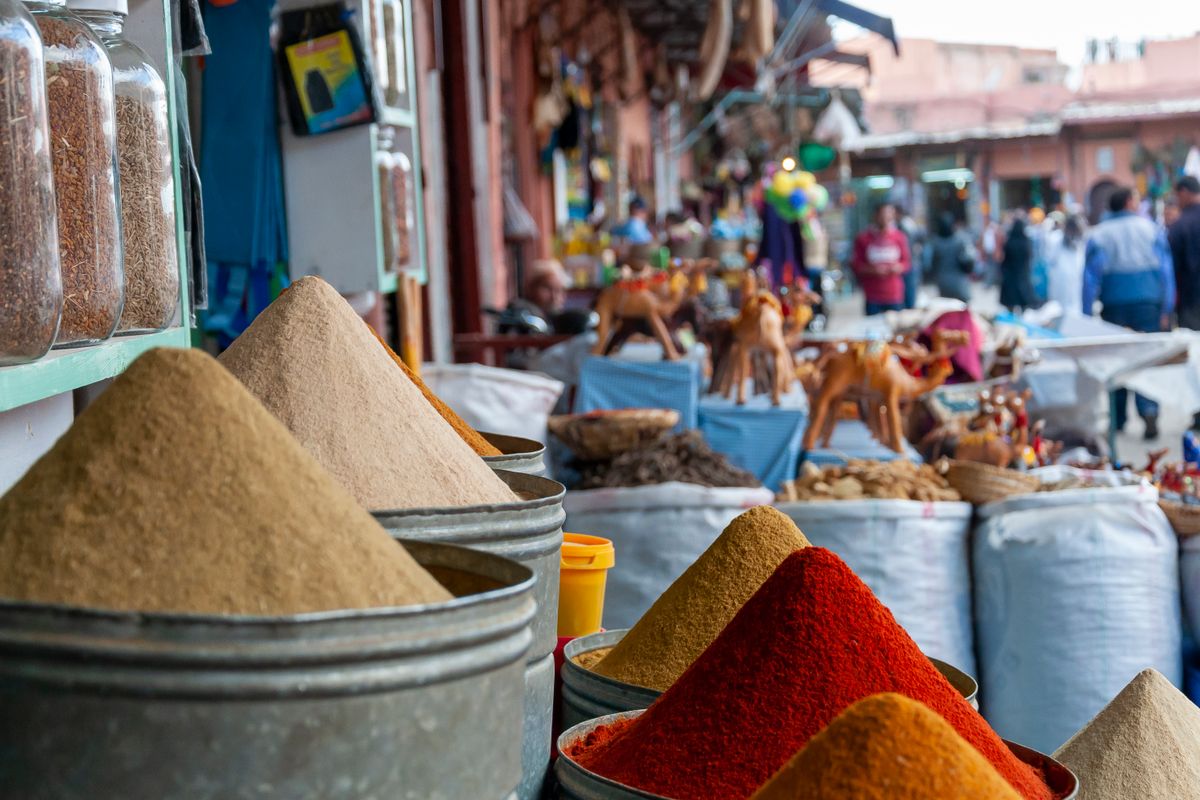
In the souks, prices are rarely fixed. Haggling is expected and should stay friendly; agree a price before handing over money, and count your change carefully. Read our tips on how to haggle in Moroccan souks before you shop.
Staying Safe With Your Money
- Use a zipped bag or money belt in crowded medinas and markets.
- Split cash and cards between your bag, your pocket and your accommodation.
- Agree taxi fares or insist on the meter before setting off.
- Count notes discreetly and check that change matches what you were promised.
- Save your bank’s emergency number so you can block a card quickly.
For more advice on common scams and staying relaxed, see our guide Is Morocco safe?
FAQ
Can I pay in euros or dollars in Morocco?
Some hotels, tour operators and tourist shops accept euros, but you usually get a poor rate. Paying in dirhams is cheaper and is expected almost everywhere else.
Is it better to exchange cash or use ATMs?
Both work well. Exchanging cash avoids card fees, while ATMs are convenient and save you from carrying large sums. Many travellers bring some euros or dollars as a backup and use a low-fee card for withdrawals.
Should I tell my bank I’m going to Morocco?
Yes. A quick notification or app setting helps prevent your card from being blocked when you use it abroad.
Conclusion
Handling money in Morocco is easy once you know the rules: get dirhams on arrival, use bank ATMs and always pay in the local currency, carry plenty of small change, and keep cards for hotels and bigger purchases. With your cash sorted, you can focus on the souks, the food and the scenery.
Featured image: Moroccan dirham banknotes, photo by MabelAmber on Pixabay.