
Ochre walls wrapped around a town of palm trees, orange groves and busy markets, with the snowy High Atlas on one horizon and the Anti-Atlas on the other: Taroudant is often called “little Marrakech”, but it feels far more relaxed than its famous neighbour. This Taroudant travel guide explains what to see inside and outside the ramparts, how to shop the souks, where to stay and how to visit as a day trip or overnight stop from Agadir.
Why Visit Taroudant?
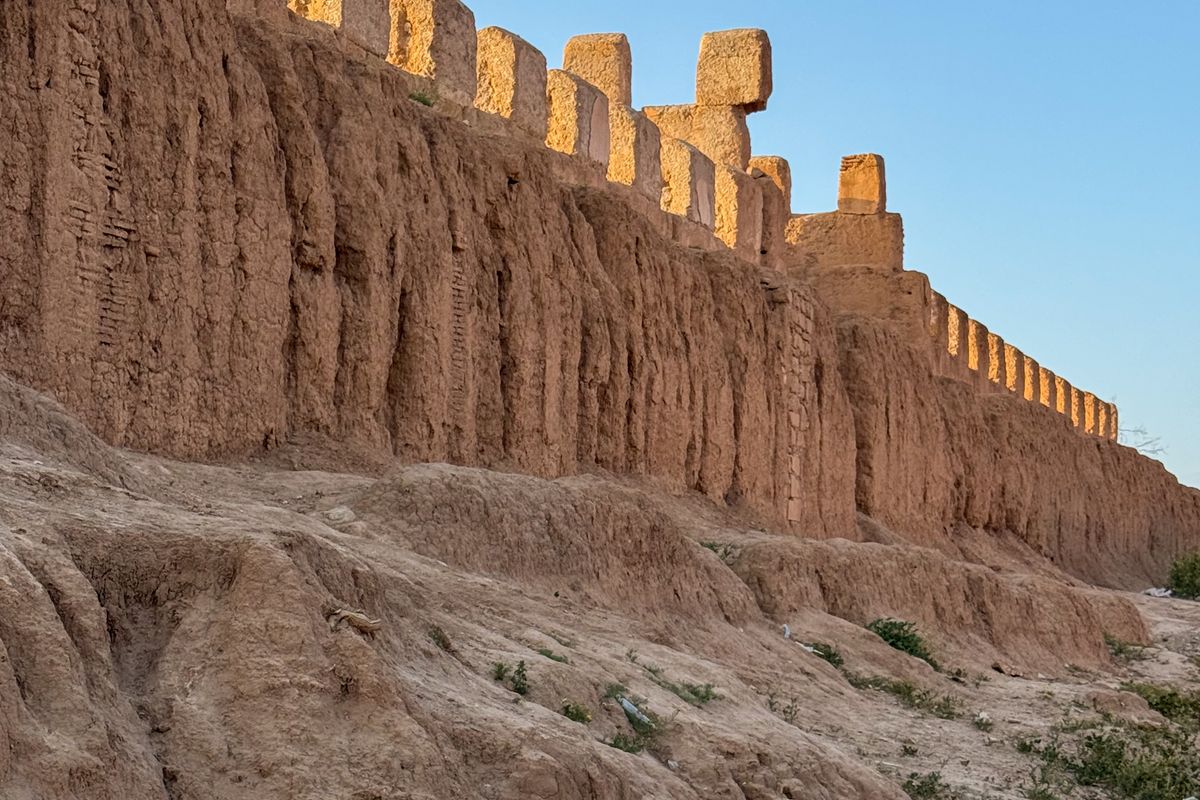
Taroudant sits in the fertile Souss Valley, about 80 kilometres east of Agadir. In the sixteenth century it was briefly the capital of the Saadian dynasty before the court moved to Marrakech, and it remained an important trading town for caravans crossing southern Morocco. Its earthen ramparts, among the best preserved in the country, still enclose almost the entire old town.
What makes Taroudant special is that it is a real working town rather than a tourist set. Locals cycle through the gates, farmers bring produce from the surrounding valley and the souks sell as much to residents as to visitors. If you have already seen Marrakech and want a gentler version of the same red-walled atmosphere, this is the place.
Things to Do in Taroudant
1. Circle the Ramparts
The walls run for more than six kilometres, punctuated by square towers and monumental gates. The classic way to see them is a horse-drawn calèche ride around the outside in the late afternoon, when the pisé glows orange and the light is soft. Agree the price and the route before you climb in. Cyclists and walkers can also follow the road that rings the walls; allow around two hours on foot.
2. Walk Through Bab El Kasbah
Bab El Kasbah is the most impressive gate, with a triple series of horseshoe arches leading into the old kasbah quarter. Steps inside let you climb onto a section of the walls for views over the rooftops, palm trees and, on clear days, the Atlas peaks. The quiet lanes of the kasbah behind it are pleasant for an unhurried wander.
3. Shop the Arab Souk
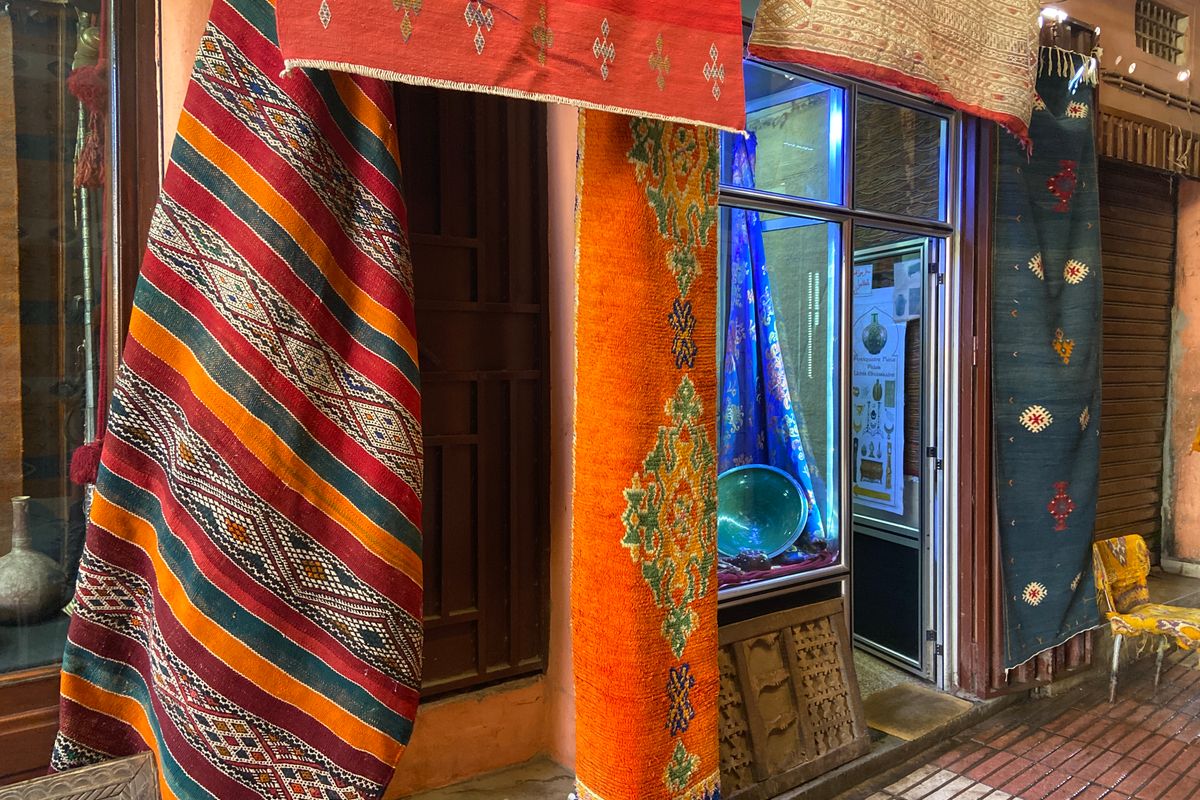
The Arab souk, sometimes called the Kissaria, lies between the two main squares, Place Assarag and Place Talmaklate. Its covered lanes are known for silver Berber jewellery, carved wood, leather slippers, ceramics, spices and antiques. Prices tend to be lower and the pressure far gentler than in the big cities, but bargaining is still expected. Our guide on how to haggle in Moroccan souks will help you agree a fair price.
4. Browse the Berber Souk
Across the square, the Berber souk (Jnane Jamaa) is where local families shop for fruit, vegetables, olives, spices, kitchenware and farm tools. It is less about souvenirs and more about everyday life in the Souss, which makes it one of the most authentic markets in southern Morocco. Come in the morning when it is busiest.
5. Visit the Tannery
Just outside the walls near Bab Targhount, Taroudant’s tannery is much smaller than the famous ones in Fes, but you can get close to the dyeing vats and watch the work without crowds. A shop on site sells leather bags, slippers and goat or sheep skins. A small tip to the person who shows you around is appreciated.
6. Relax in Place Assarag
The main square is the social heart of town. In the evening, café terraces fill with locals drinking mint tea, storytellers and street sellers appear, and it is a good place to people-watch before dinner. Simple grills around the square serve brochettes, sardines and tagines at local prices.
Day Trips Around Taroudant
- Tiout oasis: about 30 kilometres away, this palm grove is crowned by a Saadian-era kasbah with views over the valley and the Anti-Atlas. It is a peaceful place for a walk among the palms.
- Argan cooperatives: the Souss is the home of the argan tree. Women’s cooperatives around Taroudant show how the nuts are cracked and pressed, and sell oil and cosmetics directly.
- Tizi n’Test road: the spectacular mountain pass to Marrakech starts north of Taroudant. It is narrow and winding, so drive it in daylight and check conditions before setting off, especially in winter.
Where to Stay in Taroudant
- Riads inside the walls: small guesthouses with courtyards and roof terraces, ideal for walking to the souks. Read our tips on staying in a riad in Morocco before you book.
- Historic palace hotels: a few former residences near the kasbah have been turned into hotels with gardens and pools.
- Country lodges: just outside town, garden lodges set among orange and olive groves offer peace, pools and Atlas views; you will need a car or taxi.
How to Get to Taroudant
- From Agadir: roughly an hour and a half by road. CTM and local bus companies run daily services, and shared grand taxis leave from Inezgane.
- From Marrakech: either via the motorway to Agadir and then east, or over the mountains on the Tizi n’Test pass, which is slower but far more scenic.
- By air: the nearest airport is Agadir Al Massira, which is on the Taroudant side of Agadir.
- Getting around: the medina is flat and walkable; petit taxis and calèches cover the rest.
Check current bus times locally or online, and see our guide on how to get around Morocco for tips on buses and grand taxis.
Practical Tips
- Best time to visit: spring and autumn are ideal. Summer is very hot inland, and winter nights are cool.
- Combine with the coast: Taroudant pairs well with a stay in Agadir or the surf village of Taghazout.
- Cash: carry dirhams for the souks, calèches and small cafés; card acceptance is limited.
- Dress modestly: Taroudant is a conservative town, so covered shoulders and knees are appreciated.
FAQ
Is Taroudant worth visiting?
Yes, especially if you want a traditional walled town with good markets and little hassle. It is an easy and rewarding break from the beach resorts of Agadir.
Can I visit Taroudant as a day trip from Agadir?
Yes. A day is enough for the ramparts, souks and tannery. Stay one night if you also want to see Tiout or enjoy the calm evening atmosphere in the main square.
Conclusion
Taroudant offers a rare glimpse of a southern Moroccan market town at its own pace: monumental earthen walls, souks used by locals, a working tannery and green oases just outside the gates. Add it to a stay on the Souss coast and you will see a side of Morocco many travellers miss.
Featured image: the ramparts of Taroudant with palm trees, photo by jackmac34 on Pixabay.
Pingback: Tafraoute Travel Guide: Painted Rocks, Almond Valleys and the Anti-Atlas