
The smell of cumin and saffron, a clay tagine bubbling slowly over charcoal, bread fresh from the neighbourhood oven: food is one of the great joys of travelling in Morocco, and learning to cook it yourself is even better. A Moroccan cooking class takes you to the market, into a family or riad kitchen and around a table to share what you made. This guide explains what you will learn, how a typical class works, where to take one and how to choose a class that suits you.
Why Take a Moroccan Cooking Class?
Moroccan cuisine blends Amazigh, Arab, Andalusian and French influences, and it is mostly a home cuisine passed down from mother to daughter. Restaurant menus can feel repetitive after a few days, but in a cooking class you discover the techniques and spice combinations behind the dishes, ask questions and take home recipes you can actually reproduce. It is also one of the easiest ways to meet local people and talk about daily life, family meals and traditions.
Before you book, browse our list of dishes to try in Morocco so you know which recipes you would most like to learn.
How a Typical Class Works
Formats vary, but most classes last around half a day and follow the same pattern:
- Welcome and mint tea: you meet your host and discuss the menu, often choosing between a few dishes.
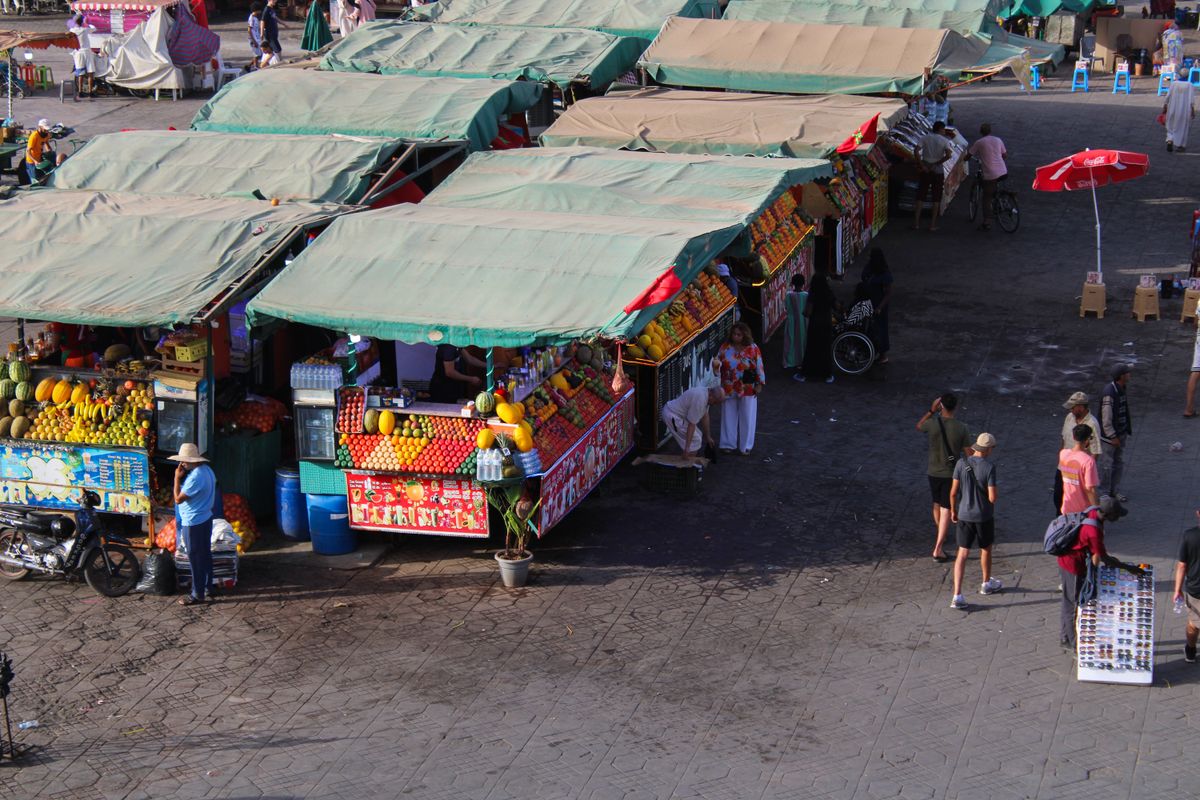
- Market visit: many classes start with a walk through the local souk to buy vegetables, herbs, spices, meat or fish, and to learn how locals choose their produce.
- Hands-on cooking: chopping, mixing spices, kneading dough and assembling a tagine, guided by a cook or chef, often with a translator.
- The meal: you sit down to eat everything you prepared, usually on a terrace or in a riad courtyard.
- Recipes to take home: good classes send you away with printed or digital recipes.
Dishes You Might Learn
Tagines
The star of most classes. You might cook chicken with preserved lemon and olives, beef or lamb with prunes and almonds, kefta (spiced meatballs) with eggs and tomato, or a seasonal vegetable tagine. You will learn how to layer ingredients in the conical pot, balance the spices and keep the heat low so everything cooks slowly in its own steam.
Couscous
Traditionally eaten on Fridays, couscous is steamed several times over a stew of vegetables and meat. Some classes show you how to roll the grains by hand, a skill that takes years to master.
Salads and Starters
Moroccan meals often begin with several small cooked salads: zaalouk (smoky aubergine and tomato), taktouka (peppers and tomato), carrots with cumin, or beetroot with orange blossom water. They are quick to make and perfect to reproduce at home.
Bread, Pastries and Tea
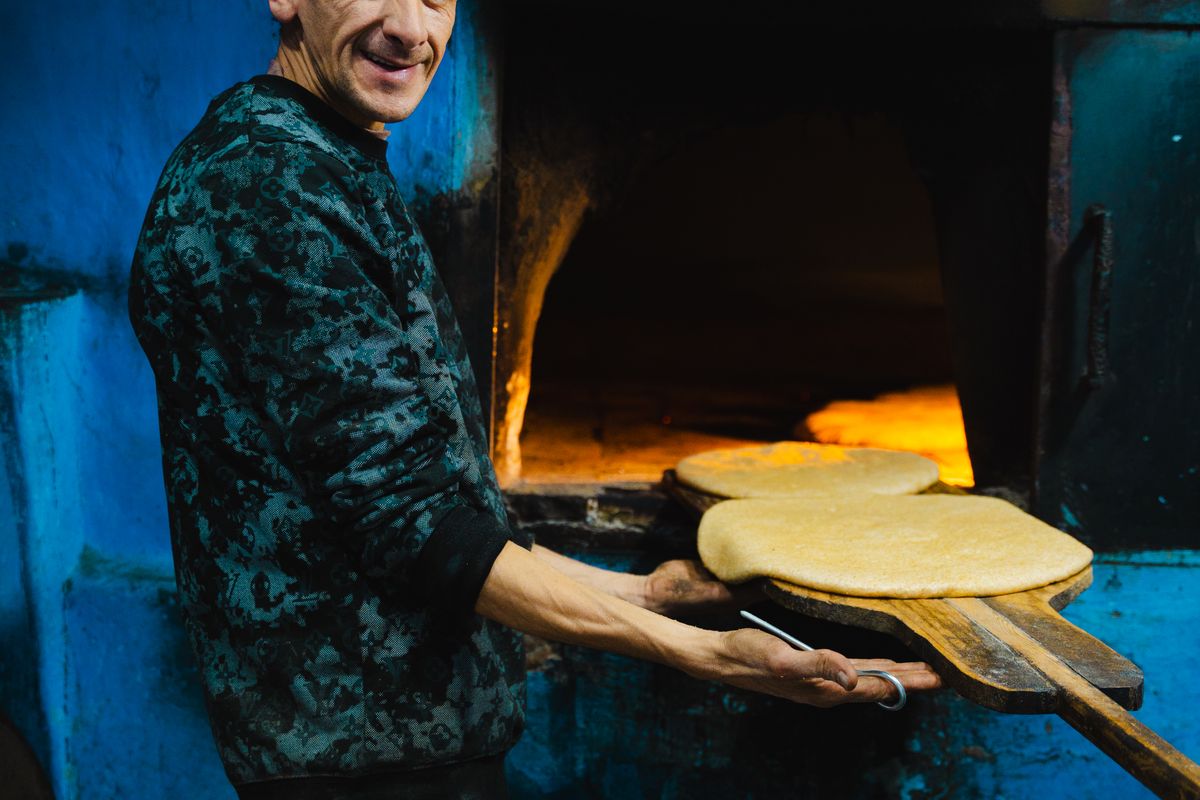
You may knead khobz, the round everyday bread, and take it to the communal oven, or make msemen, the flaky square pancakes served at breakfast. Some classes include pastilla or simple almond pastries, and almost all end with a lesson in preparing and pouring Moroccan mint tea.
The Spices of Moroccan Cooking
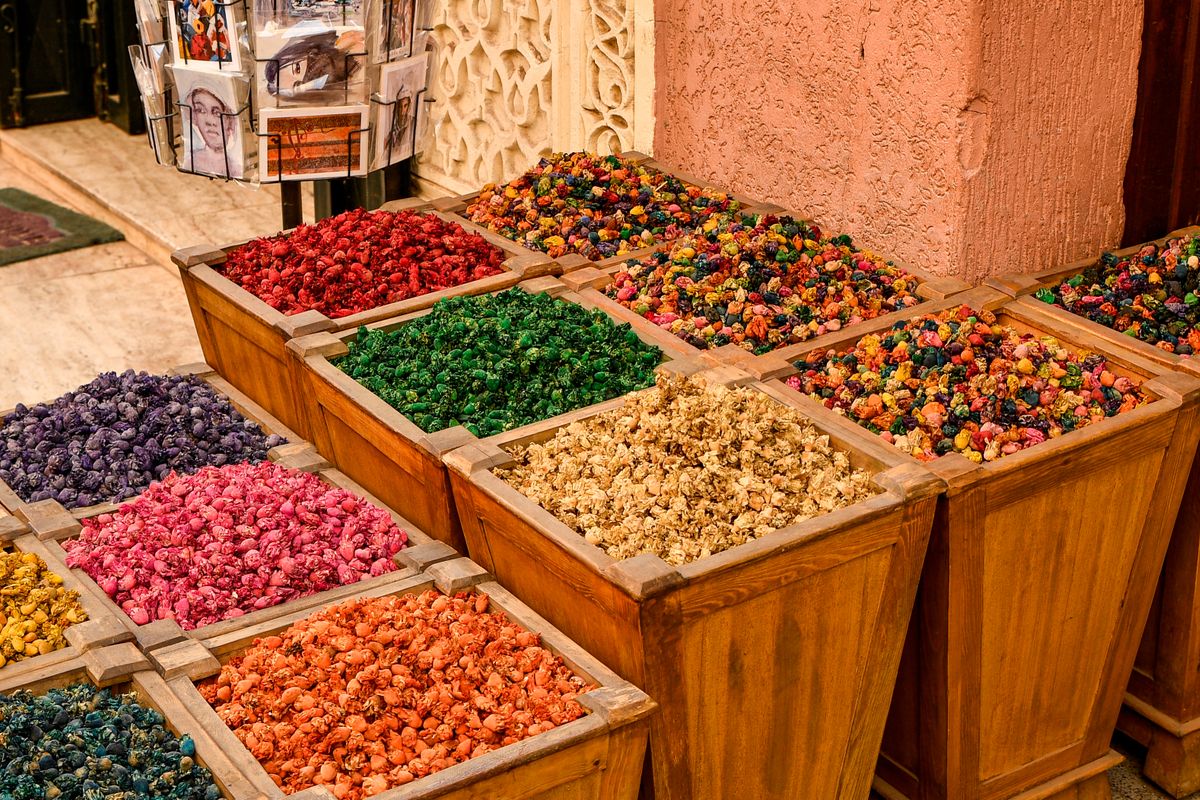
Moroccan food is aromatic rather than fiery. In class you will usually work with:
- Cumin, paprika and ginger, the backbone of many dishes.
- Turmeric and saffron for colour and fragrance.
- Cinnamon, especially in sweet and savoury dishes with prunes or honey.
- Ras el hanout, a blend that can contain a dozen or more spices; every shop has its own version.
- Fresh coriander and parsley, preserved lemons and olives.
If you want to buy spices to take home, ask your teacher where they shop and buy whole spices when possible, as they keep their flavour longer. Our guide on how to haggle in Moroccan souks will help you get a fair price.
Where to Take a Cooking Class
- Marrakech: the widest choice, from riad kitchens in the medina to dedicated cooking schools and farm-based classes in the countryside outside the city. See our Marrakech travel guide for where to stay.
- Fes: known for refined city cuisine, with classes that often start in the food market of the old medina.
- Essaouira: a great place to learn fish and seafood dishes, often with a visit to the port. Read our Essaouira travel guide to plan your stay.
- Chefchaouen and the mountains: smaller, more informal classes in family homes and guesthouses.
How to Choose the Right Class
- Hands-on or demonstration? Check that you will actually cook rather than just watch.
- Group size: small groups or private classes give you more time with the cook and more chances to ask questions.
- Market visit included? It is often the most interesting part, so look for classes that include one.
- Dietary needs: vegetarian and vegan dishes are easy to adapt in Moroccan cooking, but tell the host when you book, along with any allergies.
- Who teaches: classes led by a local cook (often a “dada”, a traditional family cook) feel more authentic; check whether a translator is present.
- Recent reviews: read several and look for comments on hygiene, organisation and how much participants cooked themselves.
- Price and inclusions: prices vary a lot depending on group size and location. Compare what is included (market visit, transport, recipes, meal) rather than the headline price alone.
Practical Tips
- Book a day or two ahead, especially in high season, as the best small classes fill quickly.
- Arrive hungry: you will eat a full meal, and it is impolite to leave much on the plate.
- Take photos of each step, as recipes are easier to follow at home when you can see the texture and colour you are aiming for.
- Bring a tagine home? Decorative painted tagines are for serving only. If you want to cook in one, buy a plain, unglazed or food-safe glazed clay tagine and pack it carefully.
- Families welcome: many classes accept children, which makes a fun activity on a family trip to Morocco.
FAQ
How long does a Moroccan cooking class last?
Most classes take about half a day including the market visit and the meal. Some are shorter evening sessions, while countryside classes can fill a whole day.
Do I need cooking experience?
No. Classes are designed for beginners, and teachers adapt to each group. More experienced cooks can ask for more complex dishes when booking.
Can I make Moroccan dishes at home without a tagine?
Yes. A heavy casserole with a tight lid on low heat gives very similar results. The key is slow cooking and well-balanced spices.
Conclusion
A Moroccan cooking class is far more than a recipe lesson: it is a morning in the souk, a glimpse into a family kitchen and a long, generous meal shared with new friends. Choose a small, hands-on class with a market visit, and you will bring home skills and flavours that keep your trip alive long after you have unpacked.
Featured image: a Moroccan tagine with dates in Essaouira, photo by Msaidi Art on Pexels.