
Pink granite boulders piled up like giant marbles, almond trees in a valley of stone villages and a silence you rarely find in Morocco’s big cities: Tafraoute is one of the most rewarding detours in the south. This Tafraoute travel guide covers what to see in and around the town, the best walks and drives in the Anti-Atlas, when to go, where to stay and how to get there from Agadir or Taroudant.
Why Visit Tafraoute?
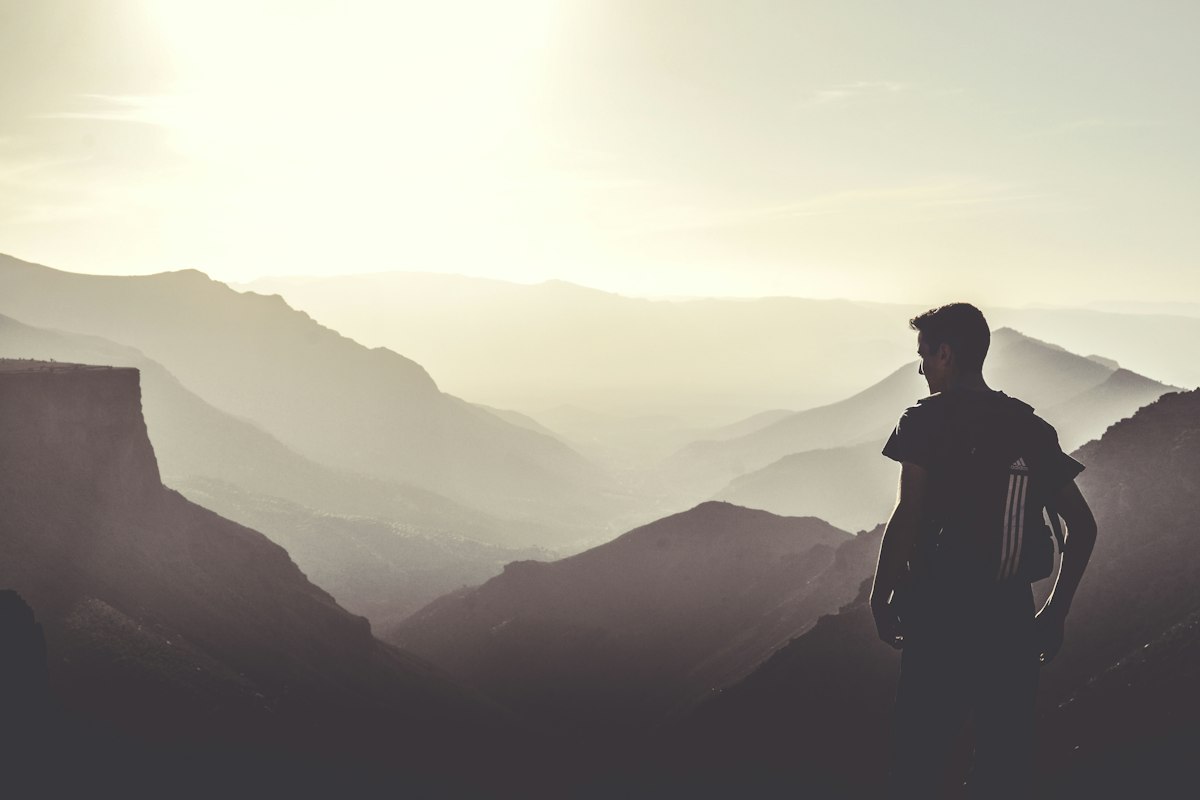
Tafraoute is a small market town in the heart of the Anti-Atlas, the lower and older mountain range that runs south of the High Atlas towards the Sahara. It sits in a wide basin ringed by rounded granite hills that turn copper, rose and violet as the sun moves across the sky. The surrounding Ammeln Valley is dotted with Amazigh villages built against the cliffs of Jebel Lekst, and much of the region is famous for its almond orchards.
Unlike the busy hubs of Marrakech or the beach resorts of the coast, Tafraoute has a slow, friendly rhythm. There is little hassle, the air is clear and dry, and the landscapes are perfect for walking, cycling, climbing and photography. It is a place to stay two or three nights rather than rush through.
Things to Do in Tafraoute
1. See the Painted Rocks
A few kilometres south of town, near the village of Aguerd Oudad, a field of huge boulders was painted blue, pink and red in the 1980s by the Belgian artist Jean Vérame. The colours have faded and been repainted over the years, and opinions on the land-art project are mixed, but the contrast between the bright rocks and the bare mountains is striking. Go early in the morning or late in the afternoon, when the light is softer and the heat gentler. A sandy track leads close to the rocks; ask locally about its condition if you are driving a small car, or walk or cycle in from the road.
2. Spot the Lion’s Face and Napoleon’s Hat
The rocks around Tafraoute have shapes that locals love to point out. Above Aguerd Oudad, a granite outcrop known as Napoleon’s Hat (Le Chapeau de Napoléon) rises over the village. On the hillside west of town, the “Lion’s Face” is a rock formation that looks like a lion’s head, especially at sunset. Both make good short walks from the centre.
3. Walk Through the Ammeln Valley
North of Tafraoute, the Ammeln Valley strings together around two dozen villages beneath the cliffs of Jebel Lekst. Paths link villages such as Oumesnat, Tagdichte and Anameur through almond and olive groves, past springs, old granaries and pink and ochre houses. In some villages, small traditional houses open their doors to visitors, showing how families lived with mud walls, wooden doors and simple tools. A local guide is useful to find the paths and to explain the Amazigh history of the valley.
4. Look for Prehistoric Rock Carvings
The Anti-Atlas is rich in ancient rock engravings. Near Tafraoute, the best known is a carving of a gazelle on a boulder close to the village of Tazekka, a short walk or drive from the centre. Many other engravings are scattered around the region; guides can take you to some of them, and you should never touch, chalk or wet the carvings to make them stand out.
5. Drive the Ait Mansour Gorge
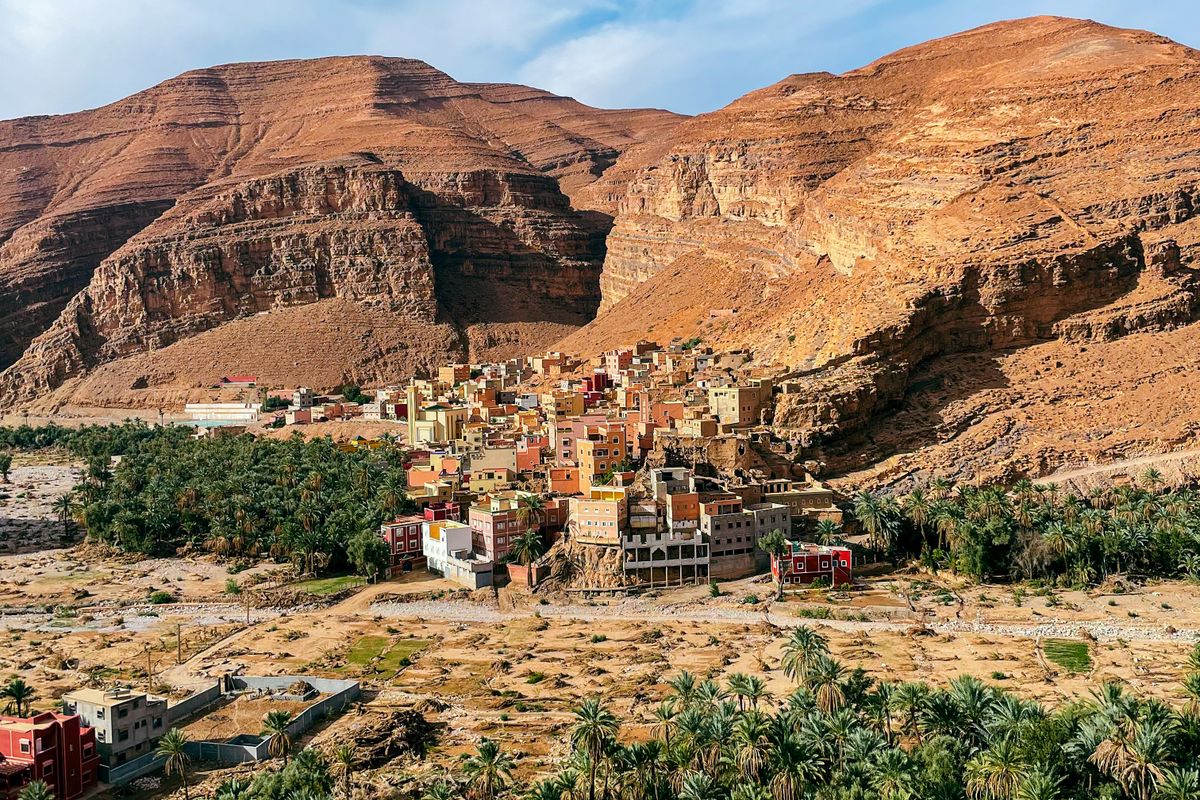
South of Tafraoute, a narrow road winds down into the Ait Mansour gorge, a ribbon of palm trees, streams and small villages squeezed between red canyon walls. It is one of the prettiest drives in southern Morocco. The road is paved but narrow in places, so take your time, give way on blind bends and avoid driving it after heavy rain. Bring a picnic or stop at a simple café in the palm grove.
6. Hike, Climb or Cycle
- Jebel Lekst: the highest peak in the area can be climbed in a long day with a guide, offering views over the whole Anti-Atlas.
- Rock climbing: the quartzite cliffs and granite boulders attract climbers in the cooler months. Bring your own gear and check local route information.
- Cycling: quiet roads and tracks link the villages. Some guesthouses and shops in town rent bikes, which is a great way to reach the painted rocks.
7. Shop for Babouches and Almonds
Tafraoute is known for its leather slippers (babouches), including colourful embroidered styles made for women. You will also find almonds, argan oil, amlou (a spread of almonds, argan oil and honey) and Amazigh jewellery. The weekly souk brings villagers from across the valley and is the liveliest moment of the week. Bargaining is normal; our guide on how to haggle in Moroccan souks will help.
Best Time to Visit Tafraoute
The most popular period is late winter, when the almond trees blossom and the valleys turn white and pink. Flowering usually happens around February, but it depends on rainfall and temperatures, so check with your accommodation before planning a trip around it. Spring and autumn are excellent for hiking, with warm days and cool nights. Summer is very hot during the day, while winter nights can be cold, so pack a warm layer. See our month-by-month guide to the best time to visit Morocco for more detail.

Where to Stay in Tafraoute
- In town: simple hotels and guesthouses close to the market and cafés, convenient if you arrive by bus.
- In the Ammeln Valley: family-run guesthouses and traditional houses with terraces facing the cliffs, ideal for walkers.
- Campsites: Tafraoute is popular with campervan travellers in winter, and several campsites sit on the edge of town among the rocks.
Book ahead during almond blossom season, when rooms fill quickly. Our tips on staying in a riad in Morocco also apply to the small guesthouses here.
How to Get to Tafraoute
- From Agadir: the drive takes roughly three to four hours via Ait Baha, with a spectacular climb into the mountains. Buses and shared grand taxis also run from Agadir and Inezgane; check current departures locally.
- From Taroudant: a scenic mountain road links the two towns via Igherm. Combine Tafraoute with our Taroudant travel guide for a loop through the Souss and Anti-Atlas.
- By air: the nearest major airport is Agadir Al Massira.
- Getting around: a car or bike gives you the most freedom. Without one, hire a local guide or taxi for the gorge and outlying villages.
For more on buses, taxis and car hire, see our guide on how to get around Morocco.
Practical Tips
- Cash: there are ATMs in town, but card payment is rare in villages, so carry enough dirhams before heading into the valleys.
- Fuel: fill up in Tafraoute before driving remote mountain roads.
- Respect village life: dress modestly, ask before photographing people and keep to paths through private orchards.
- Sun and water: the dry air hides how much you sweat; carry water, a hat and sunscreen on every walk.
- Combine with the coast: Tafraoute pairs well with a few days in Agadir or Taghazout.
FAQ
How many days do I need in Tafraoute?
Two full days let you see the painted rocks, walk part of the Ammeln Valley and drive the Ait Mansour gorge. Add a third day if you want to hike Jebel Lekst or simply relax.
Can I visit Tafraoute as a day trip from Agadir?
It is possible but tiring, as the round trip takes most of the day on mountain roads. Staying at least one night is far more enjoyable and lets you see the rocks at sunset.
Is Tafraoute safe?
Yes, Tafraoute is a calm and welcoming town. The main risks are practical ones: heat, mountain roads and getting lost on unmarked paths, so plan walks carefully or go with a guide.
Conclusion
Tafraoute rewards travellers who slow down: granite hills that glow at sunset, painted boulders, almond-filled valleys and stone villages where life still follows the seasons. Add it to a trip through southern Morocco and you will discover a side of the Anti-Atlas that few visitors ever see.
Featured image: the painted rocks near Tafraoute, photo by Kees Kortmulder on Unsplash.
Pingback: Sidi Ifni and Legzira Beach Travel Guide: Red Arches and Art Deco