
Gleaming white houses tumbling down a hillside, Andalusian tilework, Spanish boulevards and the green slopes of the Rif behind: Tetouan is one of northern Morocco’s most underrated cities. Many travellers rush past it between Tangier and Chefchaouen, yet its medina is among the best preserved in the country and refreshingly free of crowds. This Tetouan travel guide explains what to see, how to explore the old town, where to eat and stay, the best nearby beaches and how to fit the city into your trip.
Why Visit Tetouan?
Tetouan sits a few kilometres inland from the Mediterranean, on a plateau at the foot of the Rif mountains. Its history explains its unique character. After the fall of Granada, Muslim and Jewish refugees from Andalusia rebuilt the town, bringing with them the architecture, crafts, music and cuisine of southern Spain. Centuries later, Tetouan became the capital of the Spanish protectorate in northern Morocco, which added a European-style new town of wide avenues and white facades.
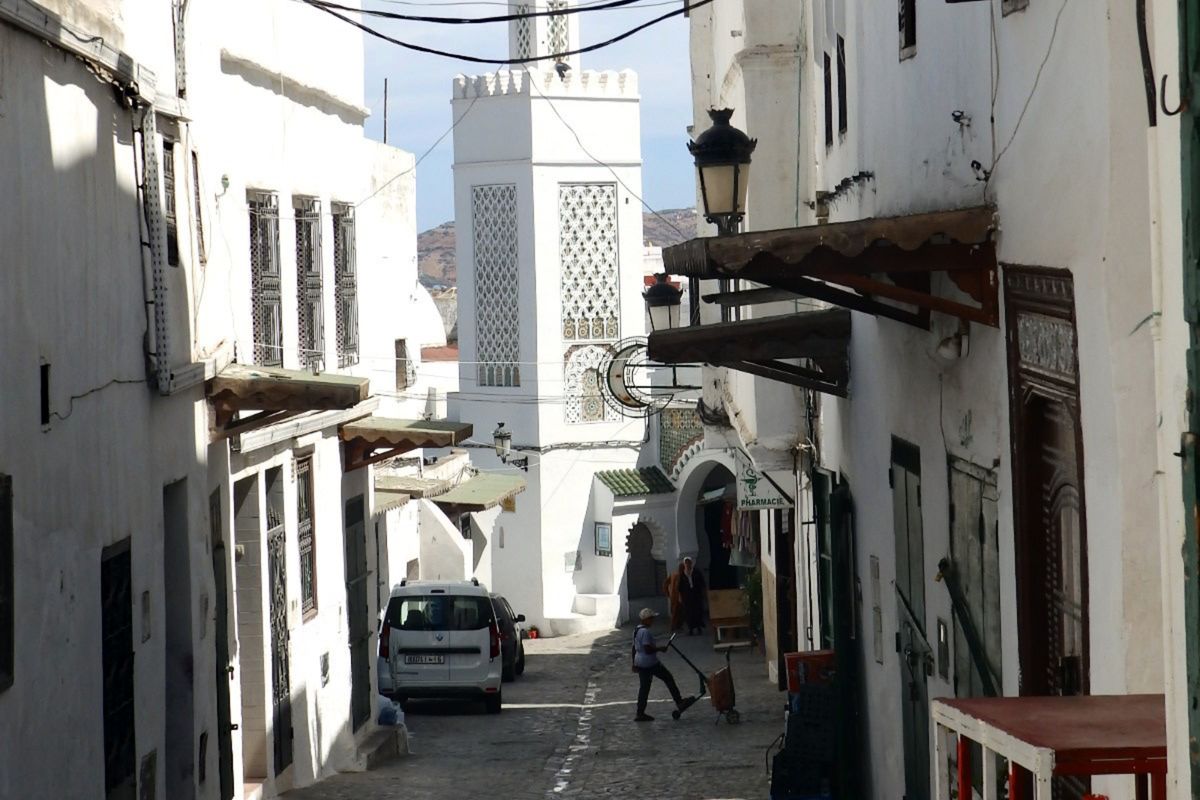
The result is a city nicknamed the “White Dove”, whose walled medina was added to the UNESCO World Heritage list in 1997. It is a working, lived-in old town rather than a showcase, which makes it a rewarding stop for travellers who enjoy authentic city life.
Things to Do in Tetouan
1. Start at Place Hassan II and the Royal Palace
The large square of Place Hassan II, still often called the Feddan, links the Spanish new town with the medina. On one side stands the Royal Palace, with its white walls and green-tiled roofs. The palace is not open to visitors, but its gates and guards make a fine photo from the square. In the evening the square fills with families, so it is a good place to feel the rhythm of the city.
2. Get Lost in the UNESCO Medina
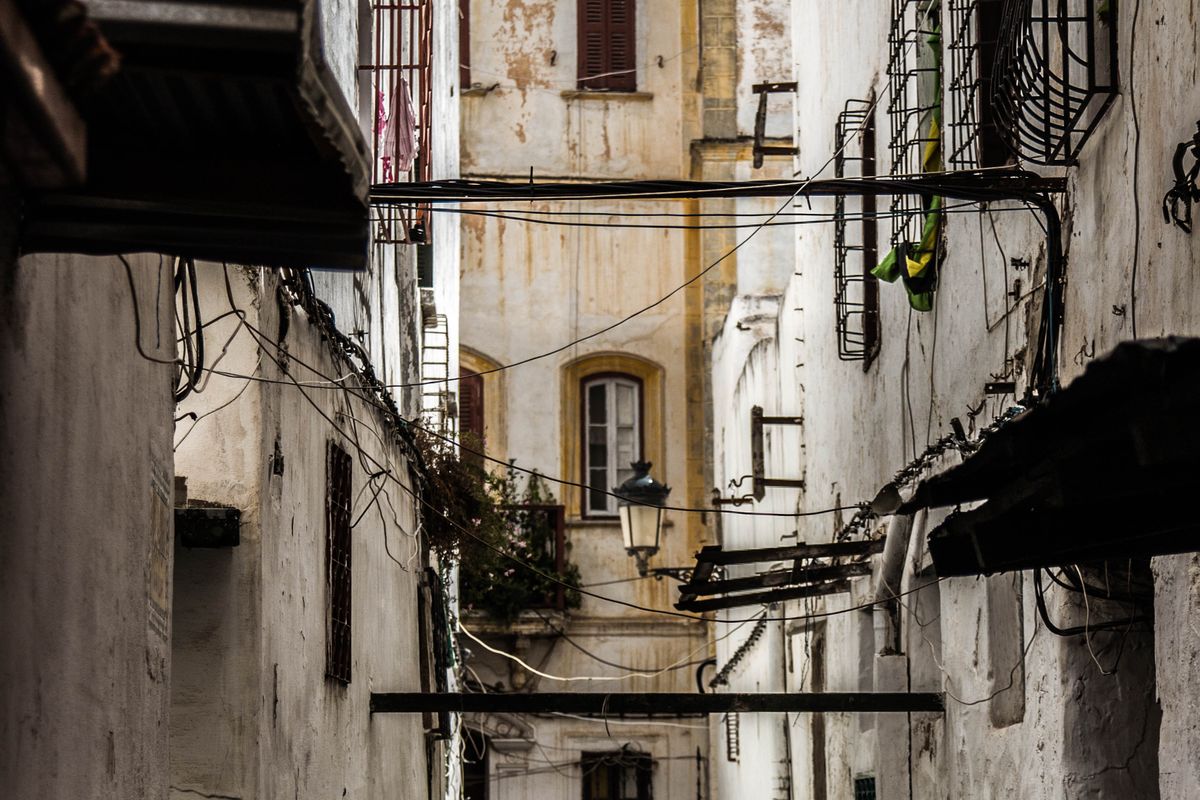
The medina is surrounded by walls pierced by historic gates, including Bab el Okla on the eastern side. Inside, the lanes are organised into quarters by trade: you will pass jewellers, leatherworkers, carpenters, spice sellers and tailors, often in tiny workshops that open straight onto the street. Look up to admire carved wooden balconies and doorways, and look for the small fountains decorated with tiles that once supplied each neighbourhood with water.
Tetouan’s medina sees far fewer tourists than those of Fes or Marrakech, so pressure from touts is usually low. Still, if you are short on time, a local licensed guide can show you the main quarters in two or three hours.
3. Explore the Souks and the Tannery
The busiest markets are found around Souk el Fouki and the lanes running down from the square, with stalls of olives, fresh cheese from the Rif, bread, fabrics and household goods. Women from the surrounding villages often sell produce wearing the traditional striped skirts and wide straw hats of the region. Near Bab Mqabar, the old tannery is smaller and quieter than the famous ones in Fes but still shows the traditional process of dyeing leather in stone vats.
If you plan to shop, read our guide on how to haggle in Moroccan souks before you go.
4. Watch Artisans at the School of Traditional Arts
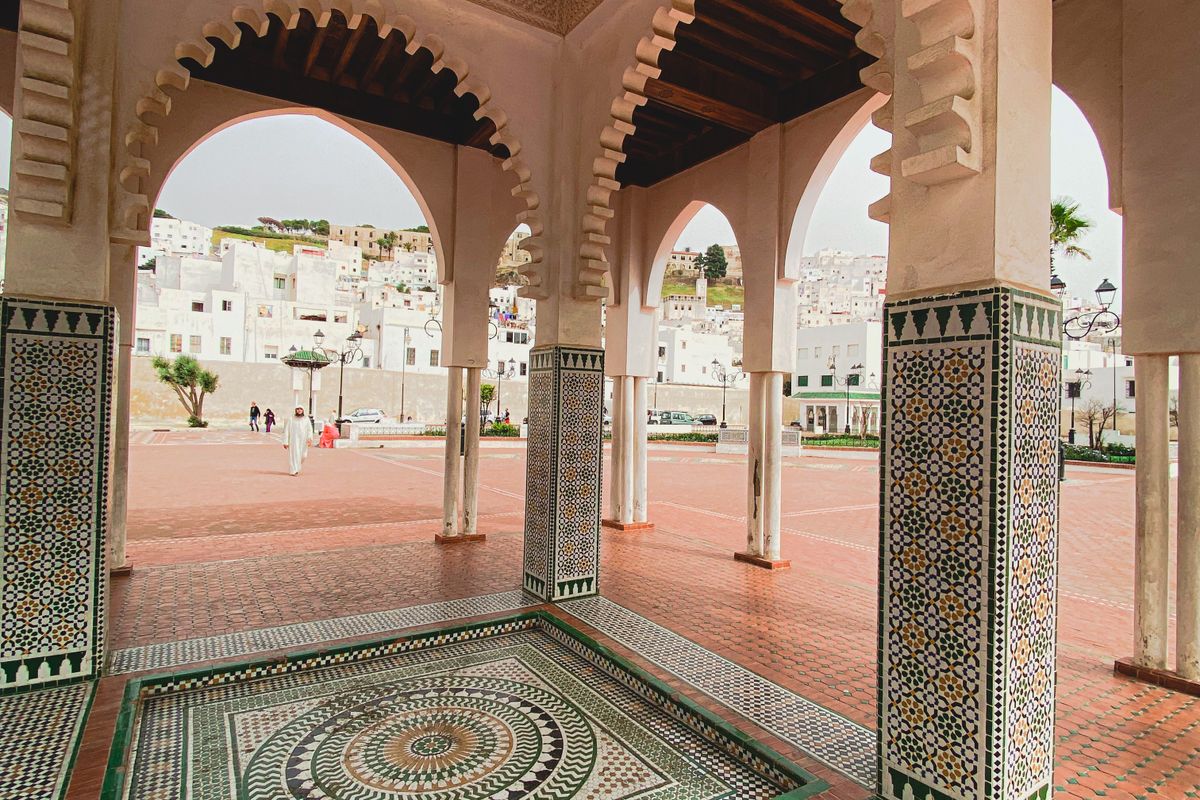
Just outside Bab el Okla, the School of Traditional Arts and Crafts (Dar Sanaa) trains young artisans in zellige mosaic, carved plaster, painted wood, embroidery and other crafts. The building itself is a beautiful example of Moroccan-Andalusian architecture, and watching students at work is a highlight for anyone interested in design. Visiting hours can change, so check locally before you go.
5. Visit the Museums
Tetouan has several small museums that are worth an hour each. The ethnographic museum near Bab el Okla displays costumes, wedding items, instruments and household objects that tell the story of Andalusian-influenced life in the city. The archaeological museum in the new town holds finds from nearby Roman Tamuda and other sites in the north. A modern arts centre also hosts exhibitions in a restored building.
6. Stroll Through the Spanish Ensanche
Between the medina and the bus station lies the Ensanche, the Spanish-era district built in the early twentieth century. Its white buildings with ornate balconies, its cafés and pedestrian avenues such as Mohammed V feel more like Andalusia than North Africa. Grab a coffee and a pastry here and watch the evening promenade.
7. Head to the Beaches at Martil and Cabo Negro
Tetouan is only a short drive from the Mediterranean. Martil, the closest beach town, has a long sandy shore and a seafront promenade lined with cafés. Further north, Cabo Negro and M’diq offer calmer coves and resort hotels. In July and August these beaches are packed with Moroccan holidaymakers; in spring and early autumn they are pleasantly quiet.
What to Eat in Tetouan
The city’s Andalusian heritage shows on the plate. Look for pastilla, fresh fish from the nearby coast, bocadillos and Spanish-style churros alongside Moroccan classics like harira and tagine. Bakeries sell excellent almond pastries, and the market is the place to try fresh goat’s cheese from the Rif. Small restaurants around the medina and the Ensanche serve good-value set lunches. See our list of Moroccan dishes to try for more ideas.
Where to Stay in Tetouan
- Medina riads and guesthouses: the most atmospheric choice, often with roof terraces overlooking the white rooftops and mountains. Expect a short walk from the nearest taxi drop-off.
- Ensanche hotels: practical mid-range hotels close to cafés, shops and transport.
- Beach hotels in Martil, Cabo Negro or M’diq: best for a summer beach holiday with day trips into the city.
New to traditional guesthouses? Our guide to staying in a riad in Morocco explains what to expect.
How to Get to Tetouan
- From Tangier: roughly an hour by road. Buses and shared grand taxis run regularly; there is no train line to Tetouan.
- From Chefchaouen: a scenic drive through the Rif of about an hour and a half, with frequent buses and grand taxis.
- From Fes, Rabat or Casablanca: long-distance buses (CTM and private companies) serve Tetouan, or take the train to Tangier and continue by road.
- By air: Tetouan has a small airport with limited routes; most international travellers fly into Tangier. Check current schedules before booking.
For tips on buses, taxis and trains, see how to get around Morocco.
Fitting Tetouan into a Northern Morocco Trip
Tetouan works perfectly as a stop on a northern loop: arrive in Tangier, spend a night or two in Tetouan, then continue to the blue town of Chefchaouen. If you prefer the Atlantic side, combine it with the murals and ramparts of Asilah. One full day is enough to see the medina and museums; add a second day for the beaches.
Practical Tips for Visiting Tetouan
- Best time to visit: spring and autumn are mild and green. Summer is hot and busy on the coast; winter can be rainy.
- Language: Spanish is widely understood alongside Arabic and French, a legacy of the protectorate.
- Dress: Tetouan is fairly conservative; covering shoulders and knees is appreciated in the medina.
- Friday: many medina shops close around midday prayers on Friday, so plan shopping for another day.
- Cash: carry dirhams for markets, small cafés and taxis; ATMs are easy to find in the new town.
FAQ
Is Tetouan worth visiting?
Yes. It offers a UNESCO-listed medina, a unique Andalusian and Spanish heritage and beaches close by, with far fewer crowds than Morocco’s better-known cities.
How many days do you need in Tetouan?
One day covers the medina, the Royal Palace square and a museum. Two days let you add the artisan school, the Ensanche and a beach afternoon in Martil.
Can you visit Tetouan as a day trip from Tangier?
Yes, it is an easy day trip by bus, grand taxi or private driver, though staying overnight lets you enjoy the quiet medina in the evening.
Conclusion
Tetouan rewards curious travellers with a genuine, uncrowded medina, Andalusian craftsmanship and the relaxed charm of a Mediterranean city backed by mountains. Give it at least a day on your way between Tangier and Chefchaouen, and you will understand why locals call it the White Dove.
Featured image: a street in Tetouan with the mountains behind, photo by Mohamed Bakkali on Pexels.