
Getting your Morocco packing list right makes a real difference to your trip. In a single week you might walk the hot, crowded lanes of a medina, sleep under the stars in the Sahara and wake up to frost in an Atlas village. Add local dress customs and the realities of medina cobblestones, and it pays to think before you zip up your bag. This guide covers what to wear in Morocco, what to bring for each region and season, and the small items that travellers most often wish they had packed.
What to Wear in Morocco: The Basics
Morocco is a Muslim country with relaxed attitudes in the big cities and more conservative ones in small towns and villages. There is no legal dress code for visitors, but dressing modestly helps you blend in, attracts less attention and shows respect. The simple rule is to cover your shoulders and knees, and to choose loose rather than tight or see-through clothing.
- For women: long skirts or wide trousers, midi dresses, tops with sleeves, and a light scarf or shawl that can cover your shoulders, protect you from the sun or keep you warm in the evening. A scarf is also handy if you visit a religious site open to non-Muslims.
- For men: long trousers or knee-length shorts and T-shirts or shirts with sleeves. Very short shorts and sleeveless tops look out of place outside beach resorts.
- Fabrics: cotton and linen for the heat, a fleece or light down jacket for cold evenings, and quick-dry clothes if you plan to wash items in your riad.
On the beaches of Agadir, Essaouira or Taghazout, swimwear is normal, but cover up when you leave the sand. For more on local customs, read our guide to Moroccan etiquette.
Shoes: The Most Important Choice
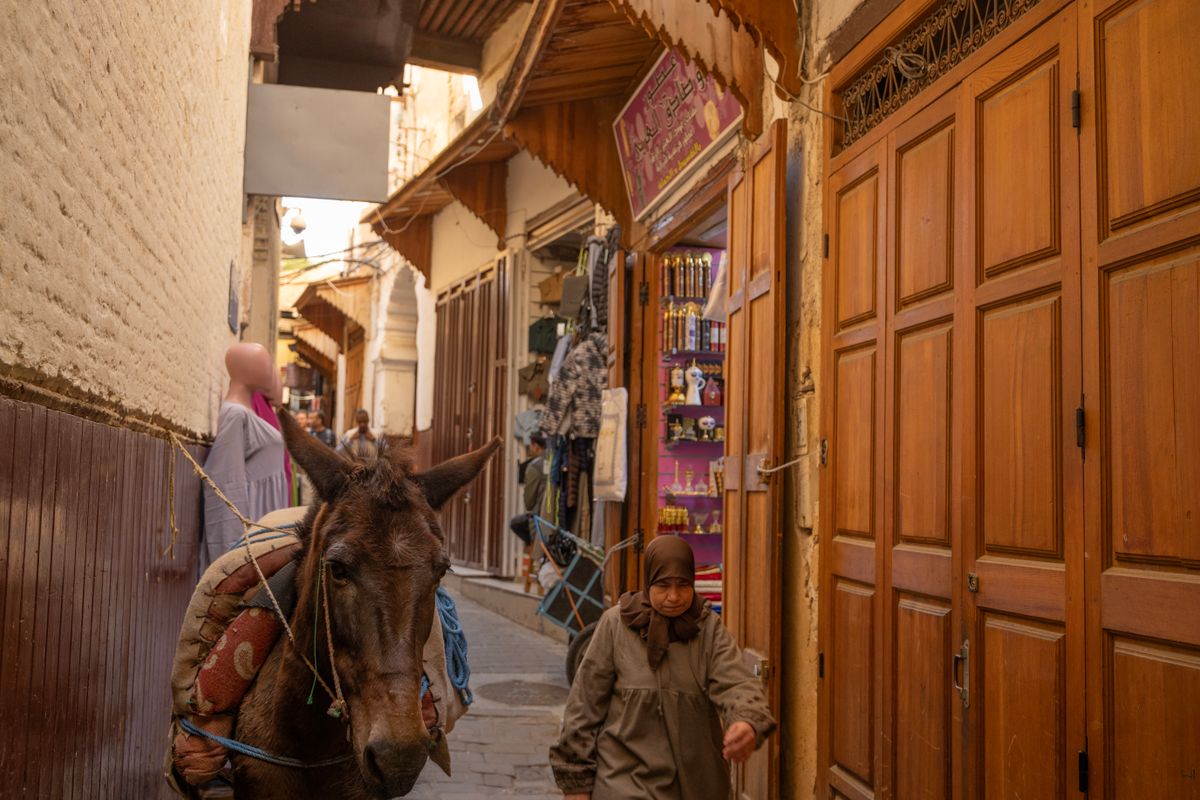
You will walk a lot in Morocco, often on polished stone, steep ramps and uneven paving. Leave fragile sandals at home and bring:
- Comfortable closed walking shoes or trainers with good grip for the medinas of Fes, Marrakech and Chefchaouen.
- Sturdy sandals for hot days and the beach.
- Hiking boots or trail shoes if you plan to walk in the Atlas, the Rif or the gorges of the south.
- Slip-on shoes or flip-flops for the riad, the hammam and desert camps, where you often take shoes off.
Packing by Season
Morocco’s climate varies far more than many visitors expect. Check our month-by-month guide to the best time to visit Morocco, then adjust your bag with these pointers.
Spring and Autumn
These are the most popular seasons, with warm days and cooler nights. Pack light layers, one warm sweater or fleece, a light rain jacket and sunglasses. Nights in the desert and mountains can be surprisingly chilly even when afternoons are hot.
Summer
Inland cities and the south get very hot. Loose, long, breathable clothing actually keeps you cooler than shorts and protects your skin. Bring a wide-brimmed hat, high-factor sunscreen and a refillable bottle. The Atlantic coast is cooler and often windy, so a light jacket is still useful there.
Winter
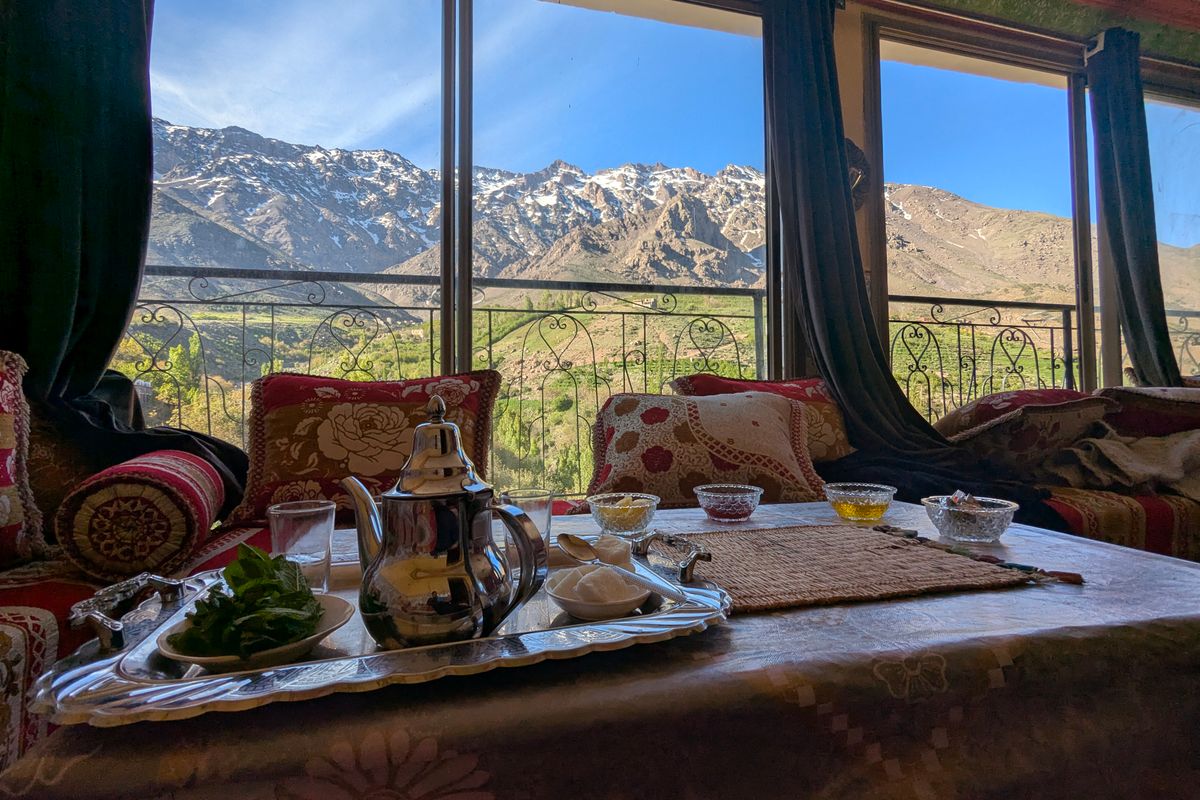
Days can be sunny and mild, but riads and guesthouses are built to stay cool, and many feel cold at night. Pack a warm jacket, a hat, thermal layers and warm socks. In the High Atlas, snow is common at altitude, and passes such as the road over to Ouarzazate can be affected by weather.
Packing for Specific Trips
A Sahara Desert Tour
- A small overnight bag, since you usually leave your main luggage in the vehicle or at a hotel before the camel ride.
- A scarf or cheche to protect your face from sun and blowing sand (you can also buy one locally).
- A warm layer for the evening, a head torch, wet wipes and a power bank, as charging at camps can be limited.
- Comfortable trousers for the camel ride.
Still choosing your route? See our guide on picking a desert tour from Marrakech.
Hiking in the Atlas Mountains
For day walks, bring trail shoes, a daypack, water, snacks, sun protection and a windproof layer. For multi-day treks or a climb of Toubkal, you will need proper boots, warm clothing, a sleeping bag liner and, in winter, specialist gear. Our Toubkal trek guide goes into detail.
The Coast
Pack swimwear, a cover-up, a windbreaker and, if you surf, check whether your surf camp provides wetsuits. The Atlantic is cool for much of the year.
Essentials and Useful Extras
- Documents: passport valid for your whole stay, printed or offline copies of bookings and travel insurance details. Check the current entry rules for your nationality with official sources before you travel.
- Money: a debit card that works abroad, a backup card and some cash. Small notes and coins are useful for taxis, tips and public toilets.
- Electronics: Morocco uses the two-round-pin European plugs (types C and E), so bring an adapter if your devices use a different plug. A power bank is very handy.
- Health kit: any prescription medicines in their original packaging, rehydration salts, anti-diarrhoea tablets, plasters, hand sanitiser and insect repellent.
- Toilet kit: a small pack of tissues, as toilet paper is not always available outside hotels and restaurants.
- Comfort items: earplugs (call to prayer, courtyard acoustics), a sleep mask, sunglasses and a reusable water bottle.
- A foldable tote bag: perfect for souk shopping, as many shops still use thin plastic bags or none at all.
What Not to Pack
- Drones: they are tightly restricted and can be confiscated at the airport unless you have prior authorisation.
- Expensive jewellery: it is better left at home.
- Too many clothes: laundry services are easy to find in riads and towns, and you will probably want space for rugs, ceramics or argan oil on the way home.
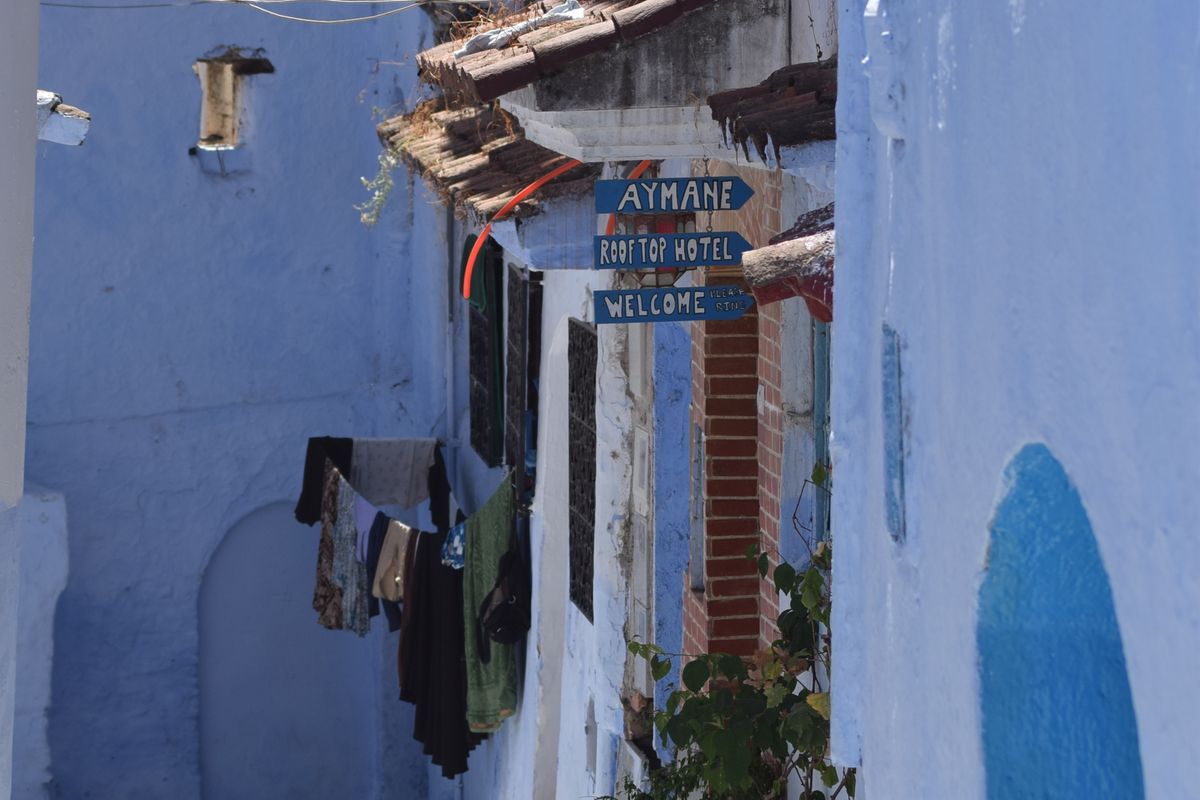
- A large hard-shell suitcase if you are staying in the medinas: you may need to carry it up stairs or along lanes that cars cannot enter. A soft bag or backpack is easier. Our tips on staying in a riad explain how arrivals work.
FAQ
Do women need to cover their hair in Morocco?
No. Foreign women are not expected to wear a headscarf. Many travellers carry a light scarf simply for sun, warmth or visits to religious sites.
Can I wear shorts in Morocco?
Knee-length shorts are fine for men in cities and at the beach. In medinas and rural areas, long trousers or skirts are more respectful and attract less attention.
Is it easy to buy forgotten items in Morocco?
Yes. Pharmacies, supermarkets and markets in the cities sell almost everything. Specialist hiking gear and particular medicines are harder to find, so bring those from home.
Conclusion
The best Morocco packing list is light, layered and modest: comfortable shoes, loose clothes that cover shoulders and knees, a scarf, a warm layer for the nights and a few practical extras. Pack for the regions you will visit rather than for the country as a whole, leave room for souvenirs, and you will be ready for medinas, mountains and dunes alike.
Featured image: a medina alley in Marrakech, photo by Olivia Wilson on Pexels.