
Quiet afternoons, streets that empty minutes before sunset, then a sudden burst of life as families break the fast together and the medinas buzz late into the night: travelling in Morocco during Ramadan is a different experience from any other time of year. Many visitors worry it will be difficult, but with a little preparation it can be one of the most memorable ways to see the country. This guide explains what Ramadan is, how it affects opening hours, transport and food, the etiquette to follow and how to make the most of the evenings.
What Is Ramadan?
Ramadan is the ninth month of the Islamic lunar calendar, when Muslims fast from dawn to sunset: no food, no drink (not even water) and no smoking during daylight hours. It is a time of prayer, reflection, generosity and family. The fast is broken each evening at sunset with a meal called ftour (iftar), and many people eat again before dawn at shour (suhoor). The month ends with Eid al-Fitr, a joyful holiday of prayers, new clothes, family visits and sweets.
Because the Islamic calendar is lunar, Ramadan moves about eleven days earlier each year. Astronomical projections place the start of Ramadan 2027 around 8 February, with Eid al-Fitr expected around 9 or 10 March, but in Morocco the official dates are confirmed only when the Ministry of Habous and Islamic Affairs announces the sighting of the new moon. Treat any date as provisional until that announcement.
How Ramadan Changes Daily Life in Morocco
The Rhythm of the Day
- Morning: calm and slow. Many shops open later than usual, and people who ate late the night before start the day gently.
- Afternoon: markets get busy as people buy bread, dates, herbs and pastries for the evening meal. Tempers can be shorter in traffic as the day wears on, so be patient.
- Sunset: the streets empty almost completely as everyone heads home or to a café for ftour. This is the quietest moment of the day.
- Evening and night: after the meal and evening prayers, towns come alive. Squares, cafés and souks fill with families, and the atmosphere is festive until late.
Opening Hours and Services
Government offices, banks and many businesses work shorter hours during Ramadan, and monuments and museums may also adjust their times. Some small local restaurants close during the day, while others open only in the evening. In tourist areas of cities such as Marrakech, Fes and Essaouira, plenty of cafés and restaurants keep serving visitors during the day, often indoors. Hotels and riads continue to serve breakfast and meals to guests as usual.
In recent years Morocco has also moved its clocks back one hour for the month of Ramadan, returning to its usual time afterwards. Check the official announcement before your trip so you do not miss a train or a flight connection.
Transport
Trains and buses keep running, but timetables can change and services around sunset may be quieter or adjusted. Taxis become scarce just before ftour, when drivers head home to eat, so avoid planning transfers in the hour before sunset. Journeys around Eid al-Fitr are very busy as people travel to see family; book train and bus tickets early if your dates overlap. Our guide on how to get around Morocco covers the main options.
Ramadan Etiquette for Travellers
Non-Muslim visitors are not expected to fast, and Moroccans are generally relaxed and welcoming towards travellers during Ramadan. A little discretion goes a long way:
- Avoid eating, drinking or smoking in public during daylight. Have your meals inside a restaurant, your riad or your hotel, and sip water discreetly.
- Dress modestly: covering shoulders and knees is always appreciated in Morocco, and even more so during Ramadan.
- Keep public affection low-key and keep noise down near mosques and residential streets, especially at prayer times.
- Be patient: people are tired and hungry by late afternoon. A smile and a few words of Arabic or French go a long way.
- Alcohol: it is harder to find during Ramadan, and many shops stop selling it for the month. Some licensed hotels and restaurants catering to tourists may still serve it, but do not count on it.
- Greetings: you can wish people “Ramadan Mubarak” or “Ramadan Kareem”, which are always well received.
For more on local customs, read our guide to Moroccan etiquette and dos and don’ts.
Food During Ramadan: The Ftour Table
The Moroccan ftour is one of the great food experiences of the year. At sunset, families gather around a table that usually includes:
- Dates and milk to break the fast gently.
- Harira, a rich tomato, lentil and chickpea soup flavoured with herbs and spices.
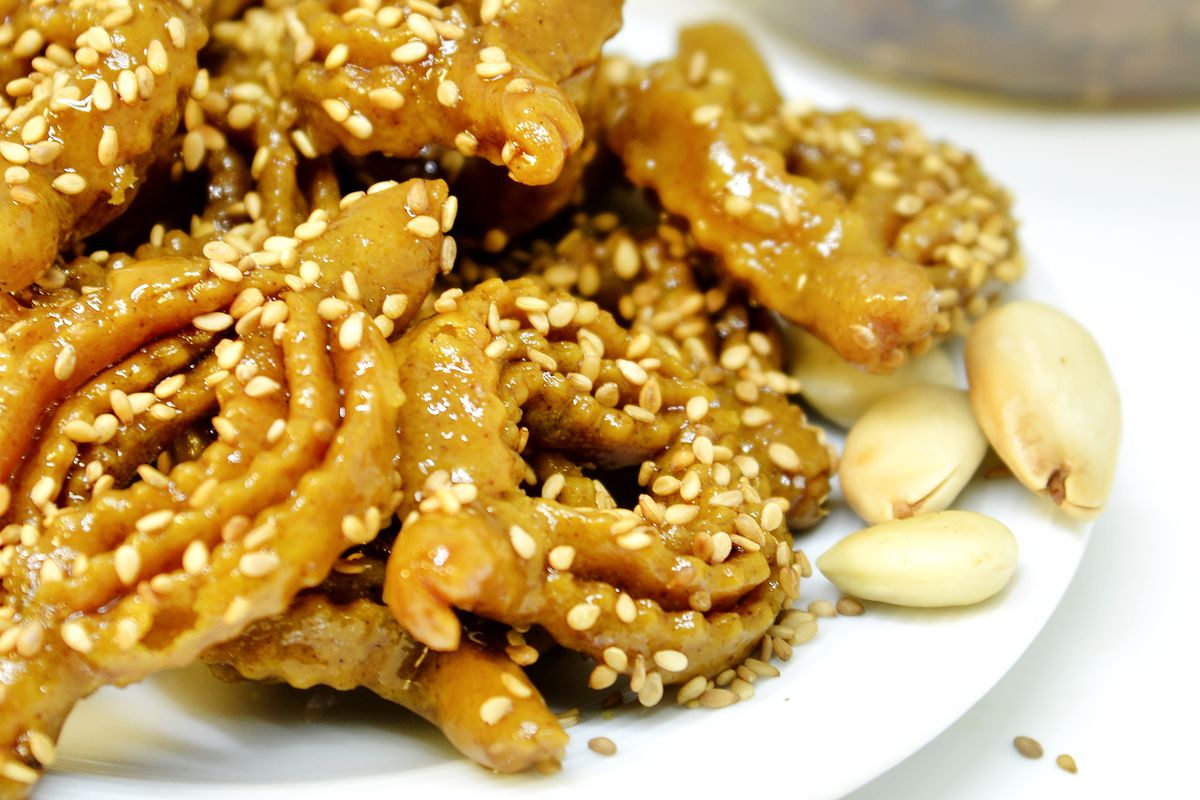
- Chebakia, flower-shaped pastries fried and soaked in honey, then covered in sesame seeds.
- Sellou (also called sfouf), a sweet, nutty paste of toasted flour, almonds and sesame.
- Boiled eggs, msemen and baghrir (Moroccan pancakes), fresh juices and of course mint tea or coffee.
Many riads and guesthouses offer a traditional ftour to their guests, and some restaurants serve a set Ramadan menu. If a Moroccan family invites you to break the fast with them, it is a real privilege: arrive on time, bring a small gift such as pastries or dates, and accept at least a little of everything you are offered. See our list of dishes to try in Morocco for more ideas.
Pros and Cons of Visiting During Ramadan
The Advantages
- Lively, festive evenings with a strong sense of community.
- Seasonal foods and pastries you will not see at other times of year.
- Fewer tourists at some sites and calmer souks during the day, with less pressure from sellers.
- A rare chance to understand an important part of Moroccan life.
The Drawbacks
- Reduced opening hours and some closed restaurants, especially in small towns.
- Slower service in the afternoon and fewer taxis around sunset.
- Busy transport and higher demand for rooms around Eid al-Fitr.
Practical Tips for a Smooth Trip
- Plan sightseeing for the morning and keep afternoons light.
- Carry snacks and water in your bag for long drives, and eat them discreetly.
- Book a riad that serves meals, especially in smaller towns where restaurants may close by day. Our tips on staying in a riad can help you choose.
- Desert and mountain tours still run, but confirm timings with your operator, as drivers and guides may be fasting.
- Go out after ftour: evening walks in the medina, a visit to Jemaa el-Fna in Marrakech or the cafés of any town square are the highlights of a Ramadan trip.
- Tip generously: Ramadan is a month of giving, and staff who serve you while fasting appreciate it.
FAQ
Can tourists eat during the day in Morocco during Ramadan?
Yes. Non-Muslim visitors can eat and drink in hotels, riads and restaurants that stay open. Just avoid eating, drinking or smoking openly in the street out of respect.
Are attractions open during Ramadan?
Most monuments, museums and gardens remain open, but hours are often shorter. Check opening times locally or with your accommodation, and visit in the morning when possible.
Is Ramadan a good time to visit Morocco?
It can be, if you are flexible and curious. In 2027 Ramadan is expected to fall in February and March, a pleasant season for touring. Compare it with other periods in our month-by-month guide.
Conclusion
Visiting Morocco during Ramadan means adapting to a slower day and a much livelier night. Respect the fast in public, plan around shorter opening hours and sunset, and say yes to any invitation to share ftour. You will leave with a deeper understanding of Moroccan hospitality and some of the best food memories of your trip.
Featured image: traditional sweets at a market in Fes, photo by Abderrahmane Habibi on Pexels.