
Steam, warm marble, black soap and a vigorous scrub that leaves your skin softer than it has felt in years: a visit to a hammam in Morocco is one of the most authentic experiences you can have in the country. For Moroccans, the weekly trip to the neighbourhood bathhouse is a ritual of cleanliness, relaxation and social life. For travellers, it can feel intimidating the first time. This guide explains how a hammam works, the difference between public and spa hammams, what to bring and the etiquette that will help you feel at ease.
What Is a Moroccan Hammam?
A hammam is a steam bath with a long history in the Islamic world. Traditionally, every neighbourhood of a Moroccan medina had its own, often placed near the mosque and the bakery, and many still share the same wood-fired heating. Inside, a series of rooms grows progressively hotter. You sit or lie on the warm floor, let the steam open your pores, then wash and scrub yourself (or are scrubbed) before rinsing with buckets of water.
Unlike a Turkish bath, the classic Moroccan hammam is less about marble pools and more about the scrub. The two key ingredients are savon beldi, a soft black soap made from olives, and the kessa, a rough exfoliating mitt. Many places also use ghassoul, a mineral clay from the Atlas used as a hair and body mask.
Public Hammam or Spa Hammam?
The Public (Local) Hammam
Public hammams are where Moroccans go. They are simple, inexpensive and full of local life. There are separate sections or separate opening hours for men and women, and the decor is usually basic: tiled rooms, taps, buckets and benches. You bring your own supplies, and you can pay a little extra for an attendant (a tayeb for men or a tayaba for women) to scrub you. It is the authentic experience, but it helps to go with a local friend or your riad’s advice the first time.
The Spa or Tourist Hammam
Spa hammams in riads, hotels and dedicated wellness centres offer a private, comfortable version of the ritual. Everything is provided, staff explain each step, and treatments usually include the scrub, a clay mask and often a massage with argan oil. They cost considerably more than a public bath, but they are ideal if you are shy, travelling as a couple, or simply want to relax. Prices vary widely, so compare what is included before you book.
What Happens in a Hammam, Step by Step
- Undress in the changing area. Keep your underwear or swimwear on. Leave valuables at your hotel.
- Warm up. Move into the warm and then hot rooms, sit on the floor or a bench and let the steam work for several minutes.
- Apply black soap. Spread savon beldi over your body and leave it for a few minutes to soften the skin.
- Rinse, then scrub. After rinsing, the attendant scrubs you firmly with the kessa. Do not be alarmed by the grey rolls of dead skin: it means it is working.
- Mask and wash. A ghassoul clay mask may follow, then a hair wash and a final rinse with warm and cool water.
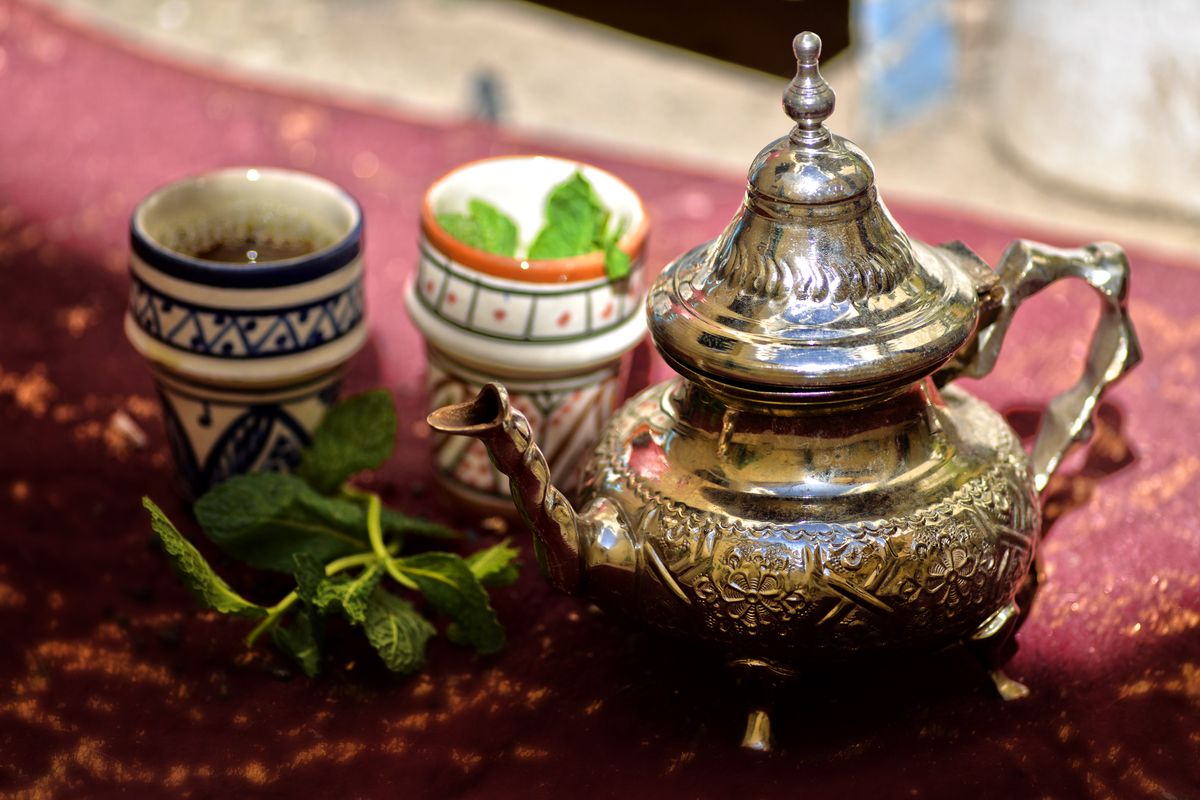
- Rest. Wrap up, drink water or mint tea, and take time to cool down before heading back outside.
What to Bring to a Public Hammam
Spa hammams provide everything. For a local hammam, you can buy most supplies at a corner shop or in the souk near the entrance:
- Black soap (savon beldi) and a kessa scrub mitt
- Shampoo, a comb and ghassoul clay if you want a mask
- A towel and a change of underwear or a dry swimsuit
- Flip-flops for the wet floors
- A small mat or plastic sheet to sit on (locals often bring one)
- Small change for the entrance, the attendant and the person watching your belongings
A pack of black soap and a kessa also make lovely, inexpensive souvenirs. Our guide to haggling in Moroccan souks will help you buy them at a fair price.
Hammam Etiquette: Dos and Don’ts
- Do keep your underwear on. Full nudity is not the custom in Moroccan public hammams.
- Do follow the locals. Watch where people sit, how they fill their buckets and which taps are used for hot and cold water.
- Do say if the scrub is too strong. “Shwiya” (gently, a little) is a useful word.
- Don’t take photos. Cameras and phones have no place inside a bathhouse.
- Don’t splash others or waste water, and rinse your space when you leave.
- Do tip your attendant if you were scrubbed or helped.
For more on respectful behaviour during your trip, see our guide to Moroccan etiquette and customs.
Where to Try a Hammam in Morocco
You will find hammams in every town, but these are the easiest places for a first visit:
- Marrakech: the widest choice, from neighbourhood baths to elegant spa hammams in the medina and the Hivernage area. See our Marrakech travel guide for where to stay.
- Fes: the old medina still has historic working bathhouses alongside riad spas. More ideas in our Fes travel guide.
- Your riad: many riads have a small private hammam, a relaxed way to try it. Read our tips on staying in a riad in Morocco.
Practical Tips
- Timing: plan a hammam at the end of a long sightseeing day or after a desert or mountain trip. Avoid going straight after a heavy meal.
- Health: if you are pregnant, have heart or blood pressure problems, or have just had sunburn, ask for advice or choose a gentler treatment.
- Hydrate: drink plenty of water before and after.
- Book spa hammams ahead in high season, especially for couples’ treatments.
- Check opening hours for men and women at public hammams; they vary from one bathhouse to another.
FAQ
Can tourists go to a public hammam in Morocco?
Yes, most public hammams welcome visitors. Going with a local or asking your riad which one is used to foreigners makes the first visit easier.
Are hammams mixed?
Public hammams are always separated by gender, either with two sections or different hours. Spa hammams often offer private or couples’ sessions.
How long does a hammam take?
Allow around an hour for a public hammam and up to two hours for a spa ritual with a massage, plus time to rest afterwards.
Conclusion
Whether you choose a bustling neighbourhood bath or a candlelit spa, a hammam in Morocco is far more than a wash. It is a window into daily life, a reward after long days of travel and a ritual you may want to repeat at home. Go with an open mind, follow the locals, and finish with a glass of mint tea.
Featured image: a traditional hammam interior in Marrakech, photo by Pablo RAMON on Pexels.