
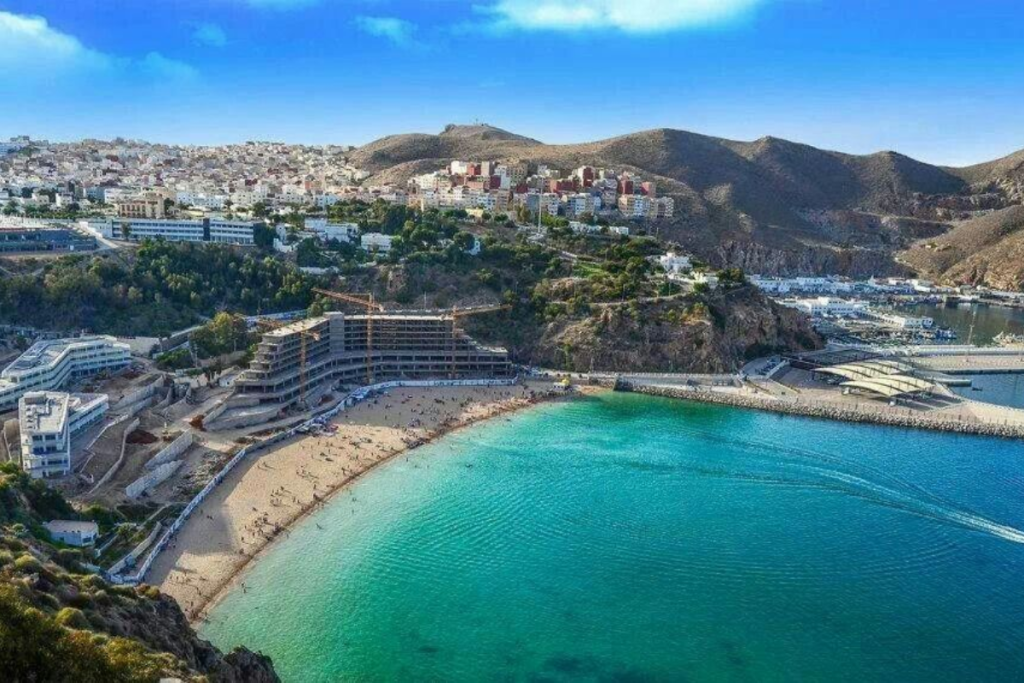
Al Hoceima is a small city on the Mediterranean coast, where the Rif mountains drop steeply into clear, calm water. It is one of Morocco’s favorite summer destinations for domestic visitors and for Moroccans living in Europe, yet it remains almost unknown to foreign tourists. This Al Hoceima travel guide covers the beaches, the national park and how to plan a visit.
Al Hoceima at a Glance
- Best for: swimming, coastal scenery and a relaxed seaside town.
- How long: two to four days.
- Best time: June and September for warm water without the crowds.
- Good to know: the local language is Tarifit, an Amazigh language; Spanish is widely understood.
The Town
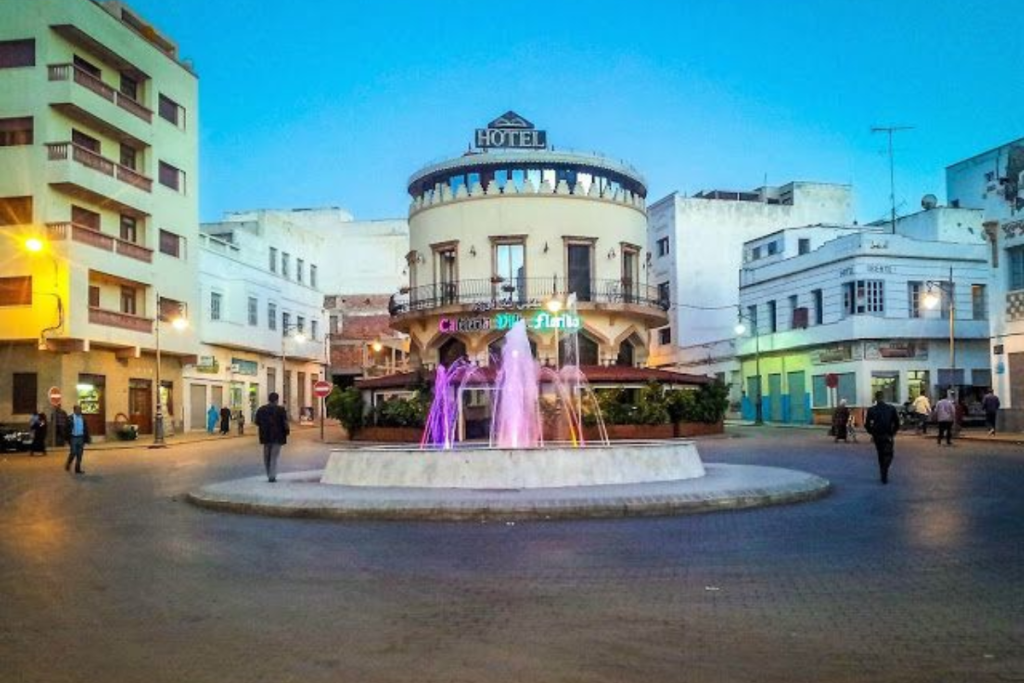
Al Hoceima was founded by Spain in the 1920s, and its center still has a Spanish feel: whitewashed buildings, a main square overlooking the bay and a habit of evening strolling. The cliff-top promenade gives views along the coast, and the fishing port below is lined with restaurants where the day’s catch is grilled to order.
The Beaches
- Quemado: the town beach, a sheltered cove of dark sand at the foot of the cliffs, with calm water for swimming.
- Calabonita: a small beach just south of the center, popular with families.
- Sfiha and Souani: long sandy beaches east of town, facing a small fortified islet just offshore that belongs to Spain.
- Tala Youssef: a quieter pebble beach to the west, reached by a winding road.
- Cala Iris: a fishing harbor and beach about an hour west, at the edge of the national park.
Al Hoceima National Park
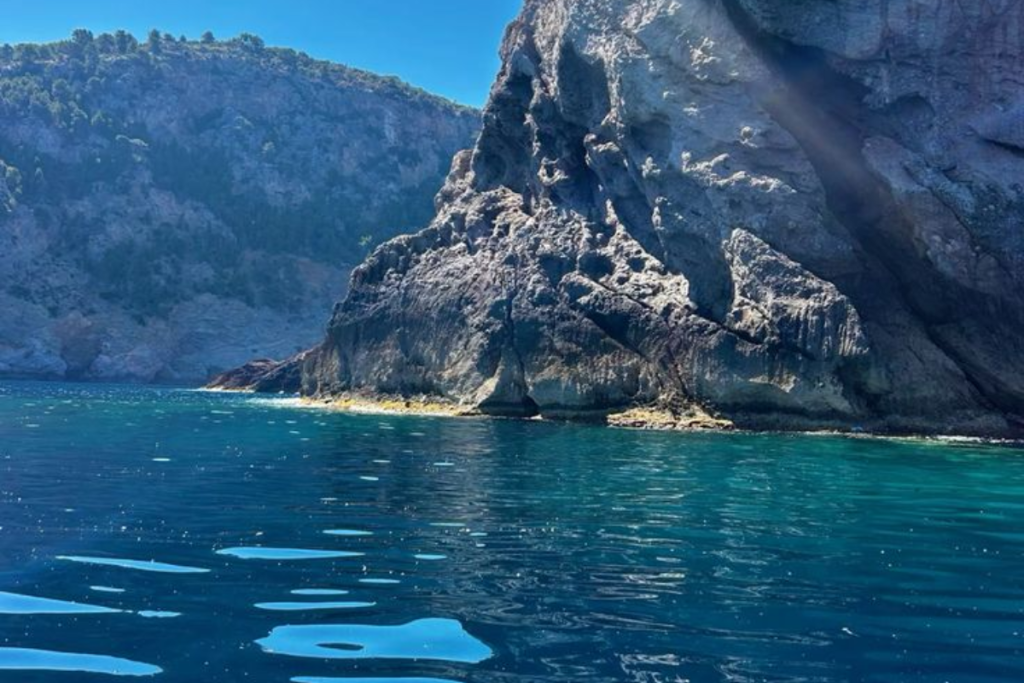
West of the city, a protected area covers a wild stretch of coast and the hills behind it. Limestone cliffs fall hundreds of meters to the sea, sheltering small coves reachable only on foot or by boat. The park is home to ospreys and other seabirds, and its interior has scattered villages, terraced fields and thuya woodland.
You can explore on signed walking trails, by 4×4 on rough tracks, or by boat from the port of Al Hoceima or from Cala Iris. A boat trip is the best way to see the cliffs and swim in otherwise inaccessible bays.
Food
Fish and seafood dominate: sardines, anchovies, sea bream, squid and prawns, fried or grilled, at prices well below those of the better-known resorts. Rif cooking also features bean and pea soups, fresh goat cheese and flatbreads.
How to Get There
Al Hoceima is remote by Moroccan standards. The coastal highway along the Mediterranean links it with Tetouan and Tangier to the west, a scenic drive of around five hours, and with Nador to the east in about two and a half hours. Chefchaouen is about four hours away through the mountains. There is no railway; buses connect the city with the main towns of the north. The small local airport has domestic flights and seasonal services from Europe.
Where to Stay
Hotels and apartments are concentrated in the town center and above Quemado beach, with a few resorts along the bays to the east. In July and August everything fills up and prices rise sharply; book early or come outside those months.
Practical Tips
- Outside summer the town is quiet and some beach facilities close, but the weather is often pleasant.
- Mountain roads in the Rif are winding and slow. Allow more time than the distance suggests.
- Take water, shoes and sun protection for any walk in the national park; there are no services.
- Dress as you would on any beach by the water, and cover up in town.