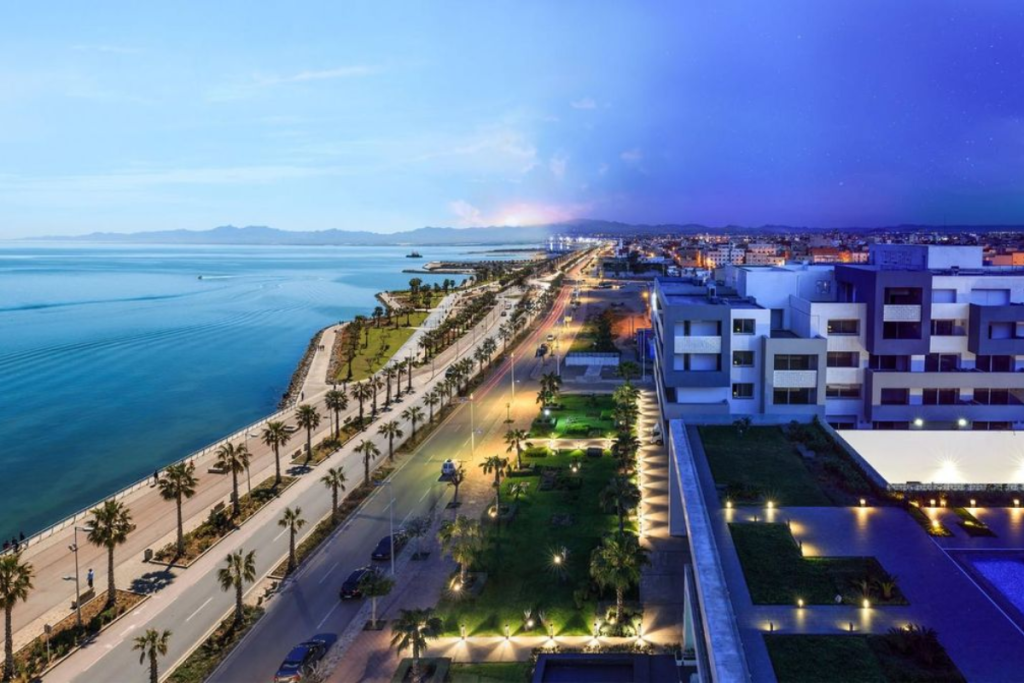
Nador Travel Guide is your definitive roadmap to exploring one of Morocco’s most dynamic Mediterranean destinations. Nestled at the foot of the Rif Mountains and bordered by the shimmering Bou Idir Lagoon, this historic port city blends Amazigh heritage, wetland ecology, and sun-drenched shorelines into a uniquely authentic travel experience. Whether you’re tracking migratory birds, kayaking through reed beds, or strolling through vibrant artisan markets, this Nador Travel Guide delivers verified routes, eco-conscious lodging picks, and culturally respectful tips so you can travel lighter and explore smarter.
Why This Nador Travel Guide Matters
Coastal and wetland navigation in eastern Morocco requires accurate tide data, verified swimming zones, and clear ecological context. Many visitors arrive without checking protected reserve boundaries, book unverified rentals, or miss inland mountain trails due to outdated routing. This Nador Travel Guide eliminates guesswork by consolidating real-time transit schedules, certified eco-lodge directories, and locally tested hiking routes. We prioritize wetland conservation, fair pricing, and Amazigh community support so you can focus on lagoon sunsets, not logistics. Bookmark this page and reference it daily to stay aligned with weather shifts and park regulations.
Best Seasons & Mediterranean Weather Tips
Timing shapes your shoreline experience and accommodation costs. Late spring (May–June) delivers calm waters, warm breezes, and fully open coastal paths. Summer brings consistent sunshine, peak swimming temperatures, and higher demand for beachfront stays. Autumn (September–October) offers fewer crowds, golden-hour photography light, and stable conditions for kayaking and birdwatching.
Mediterranean microclimates shift quickly near mountain valleys. Always check Meteoblue’s Nador Forecast before packing. Layer light linen shirts, pack UV-blocking sunglasses, and carry a compact rain jacket for sudden afternoon squalls. This Nador Travel Guide recommends downloading offline tide charts and wearing reef-safe zinc sunscreen to protect fragile coastal ecosystems.
Top Attractions & Natural Wonders
Bou Idir Lagoon & Wetland Ecology
Begin your itinerary at Bou Idir Lagoon, a UNESCO-recognized wetland spanning over 200 square kilometers. The protected reserve hosts flamingos, herons, and rare fish species thriving in brackish waters and dense reed marshes. Guided kayak tours and elevated wooden walkways provide safe, low-impact access. This Nador Travel Guide advises booking certified eco-operators, maintaining a quiet pace to avoid disturbing nesting birds, and never venturing off marked trails. For more wetland and coastal trekking routes, explore our Morocco Mediterranean Hiking Trails resource.
Ras Mequit Beach & Coastal Fishing Culture
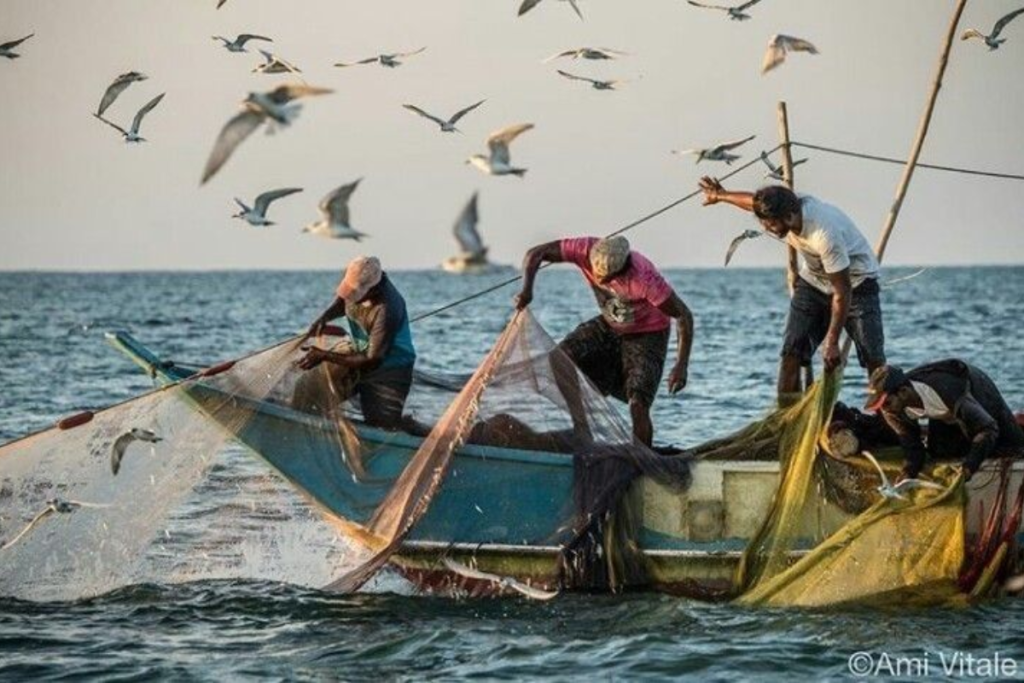
Just south of the city lies Ras Mequit, a sweeping 15-kilometer stretch of fine sand bordered by traditional wooden fishing boats and palm groves. The beach offers calm morning waters, shaded rest areas, and family-run cafes serving fresh catch. Evening promenades reveal sunset silhouettes of dhows returning from daily hauls. This Nador Travel Guide suggests arriving before midday to secure shaded spots, carrying sturdy water shoes for shell-covered entry zones, and purchasing seafood directly from dockside vendors to support local fishermen.
Gourgane National Park & Mountain Escapes
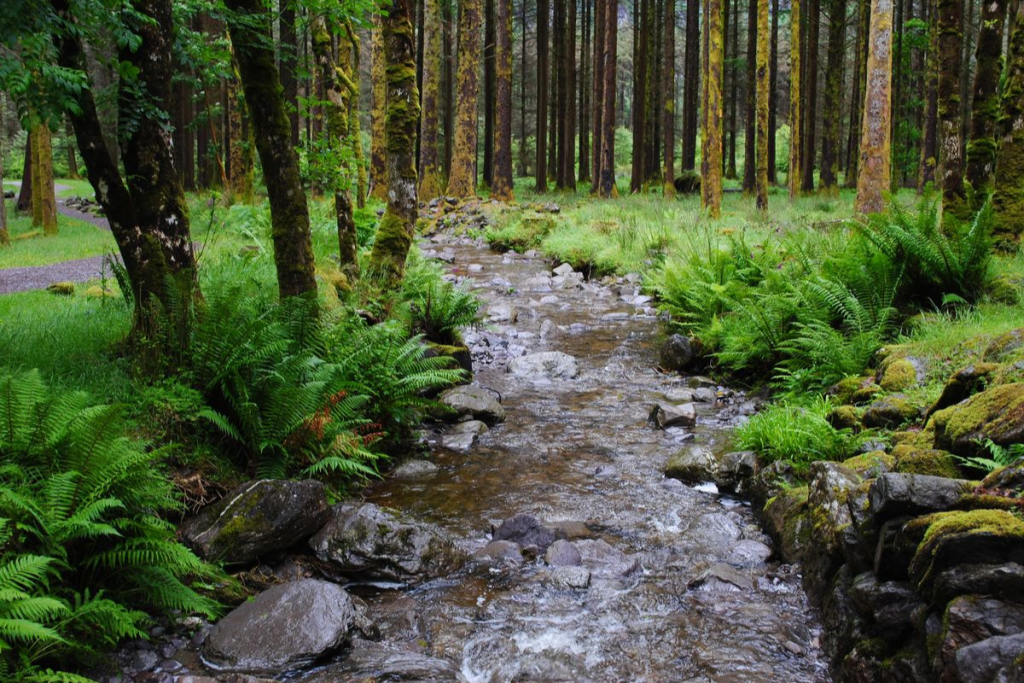
For elevation changes, drive inland to Gourgane National Park, Morocco’s only protected Mediterranean mountain ecosystem. Trails wind through ancient juniper forests, panoramic ridges, and traditional Amazigh villages. The Bou Idir peak route offers moderate difficulty with sweeping sea-to-mountain vistas. Always register your route with park officials and pack 2+ liters of water per person. This Nador Travel Guide recommends visiting between October and May to avoid summer heat and secure guided cultural tours.
Where to Stay & Taste Rif Coast Cuisine
Accommodations range from budget guesthouses to boutique eco-riads with terrace sea views. Properties near Avenue Hassan II offer walkable access to artisan markets, fresh seafood stalls, and traditional tea houses. Mid-tier lodges typically include breakfast, reliable Wi-Fi, and secure gear lockers. Luxury retreats provide private boat transfers, spa services, and organic farm dining.
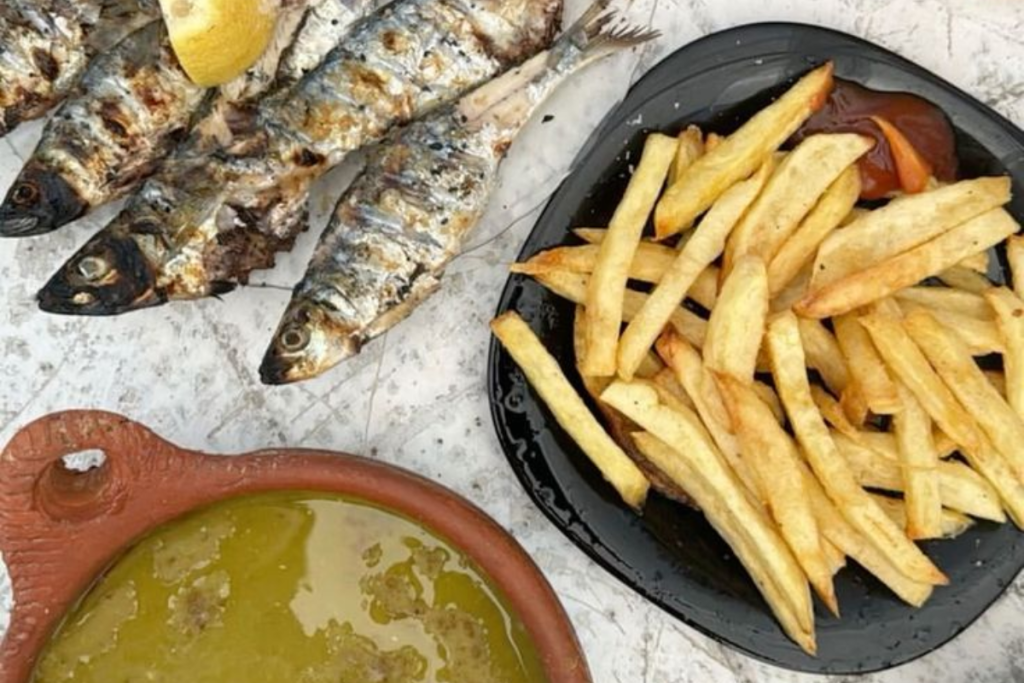
Rif coastal cuisine highlights grilled sardines, olive oil-infused tagines, wild herb salads, and hand-pressed orange juice. Pair your meal with mint tea at a neighborhood café. Evening promenades feature fresh fruit stalls, spiced almonds, and locally woven textiles. If you prefer exploring broader North African flavors, read our Best Moroccan Street Food Guide for cross-regional recommendations. This Nador Travel Guide suggests booking directly with women-led cooperatives and purchasing produce from local souqs to sustain community economics.
Transportation & Route Planning from Tetouan & Al Hoceima
CTM bus terminals and regional transport hubs connect Nador to Fes, Tangier, and Al Hoceima daily. Ferries from Barcelona and Valencia operate seasonally, offering scenic Mediterranean crossings. Private car rentals and licensed drivers provide unmatched flexibility for lagoon boardwalks and mountain passes.
Mobile networks weaken near cliffside roads and remote wetland zones. Download offline navigation maps, share your daily itinerary with emergency contacts, and carry physical trail guides. Hydration and sun protection matter more than altitude here. This Nador Travel Guide recommends booking return transport before departure to guarantee seats during religious holidays and peak summer weekends.
Cultural Immersion & Responsible Tourism
Nador honors a profound history of maritime trade and Amazigh resilience. Visiting the historic medina, learning basic Tamazight greetings, and supporting locally owned businesses transforms a standard coastal trip into meaningful cultural exchange. This Nador Travel Guide emphasizes asking permission before photographing residents, avoiding single-use plastics near lagoon zones, and tipping guides fairly. Many certified operators now partner with wetland biologists to monitor water salinity, protect migratory stopover sites, and educate visitors on Mediterranean current safety. By choosing eco-verified services and engaging authentically with Rif traditions, your stay actively supports regional recovery and ecological balance. For deeper ethical travel frameworks, visit our Morocco Sustainable Tourism Playbook.
Budget Strategies & Packing Essentials
Daily expenses range from 200 MAD for backpackers to 650+ MAD for premium eco-lodges. Save money by booking guesthouses directly, dining at local dargas, and using shared grand taxis for inter-village hops. Kayak and snorkel gear rentals drop 25% when arranged through your accommodation.
This Nador Travel Guide suggests carrying a mix of cash and debit cards, as coastal ATMs occasionally run dry. Pack reef-safe sunscreen, quick-dry microfiber towels, waterproof phone pouches, and a compact dry bag. Always verify camp certifications and read recent guest reviews. Review our Morocco Budget Travel Playbook for countrywide saving strategies.
How to Use This Nador Travel Guide
Use the table of contents to jump to specific planning stages. Cross-reference tide forecasts with your arrival date, and adjust hiking difficulty based on fitness levels. We update this Nador Travel Guide monthly to reflect beach maintenance, new eco-certifications, and transport schedule changes. Share the link with your group to align on pacing, photography stops, and meal preferences.
Final Checklist Before You Arrive
Verify ferry or bus schedules, confirm lodge cooling systems, and register your vehicle if renting. Pack layered rashguards, waterproof footwear, and a reusable water container. Respect local customs by dressing modestly in town centers and leaving shorelines pristine. For official regional updates, visit the Visit Morocco Official Portal.
Ready to explore the eastern Rif Coast? Comment below with your travel window—we’ll gladly map out a customized daily itinerary and connect you with certified local guides.
Conclusion: Wrap Up Your Nador Travel Guide Planning
Exploring Morocco’s eastern Mediterranean edge is more than a beach vacation—it’s a journey through wetland conservation, resilient culture, and quiet coastal magic. With this Nador Travel Guide, you now have a structured, up-to-date roadmap to navigate lagoon ecosystems, book sustainable stays, hike Rif ridges, and connect with Amazigh traditions. Whether you’re tracking migratory birds, planning a wellness residency, or scouting golden-hour photography spots, Nador rewards thoughtful preparation with turquoise waters, ancient fishing heritage, and genuine hospitality.
Bookmark this page, share it with your travel crew, and cross-reference tide charts with your departure date. This Nador Travel Guide is designed to grow with your itinerary, so return here for trail updates, transport changes, and new eco-certified recommendations. Have questions about lagoon safety, family-friendly coves, or last-minute lodging? Drop a comment below or reach out for a customized daily plan. Your Mediterranean escape starts with a single step—pack smart, respect the wetlands, and let the Rif Coast lead the way.