Introduction.
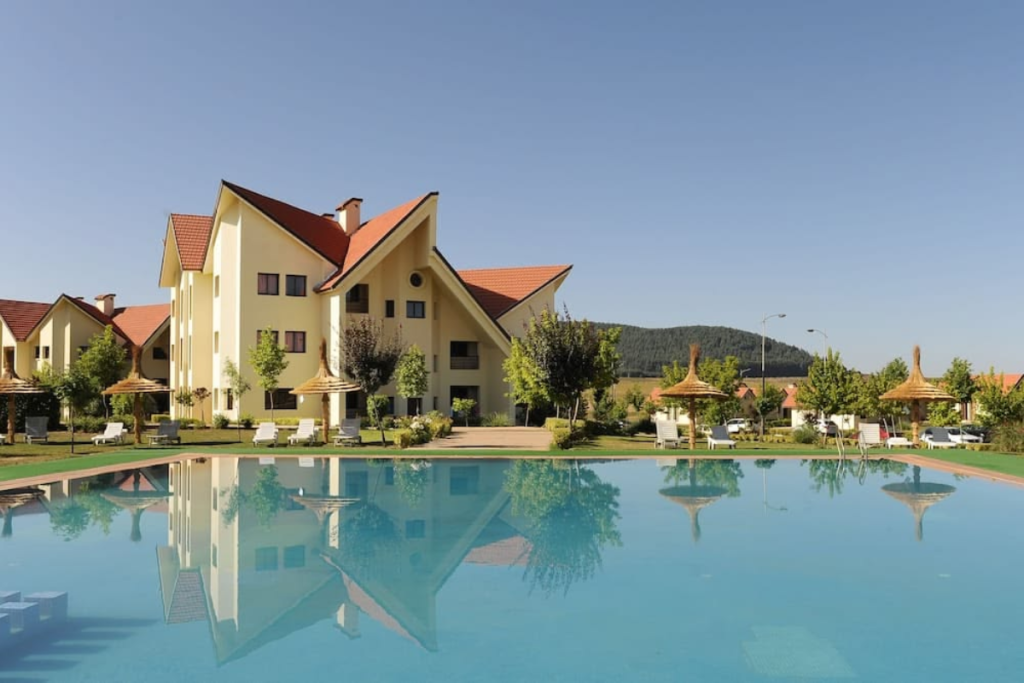
Ifrane Travel Guide is your definitive roadmap to exploring one of Morocco’s most enchanting mountain destinations. Tucked high in the Middle Atlas range, this alpine town captivates visitors with its iconic red-tiled roofs, snow-dusted ridges, and ancient cedar forests. Often nicknamed “Little Switzerland,” Ifrane offers a refreshing departure from Morocco’s coastal heat and bustling medinas. Whether you’re a hiking enthusiast, wildlife observer, or weekend wanderer, this Ifrane Travel Guide will help you navigate trails, seasons, and local customs with confidence.
Why This Ifrane Travel Guide Matters
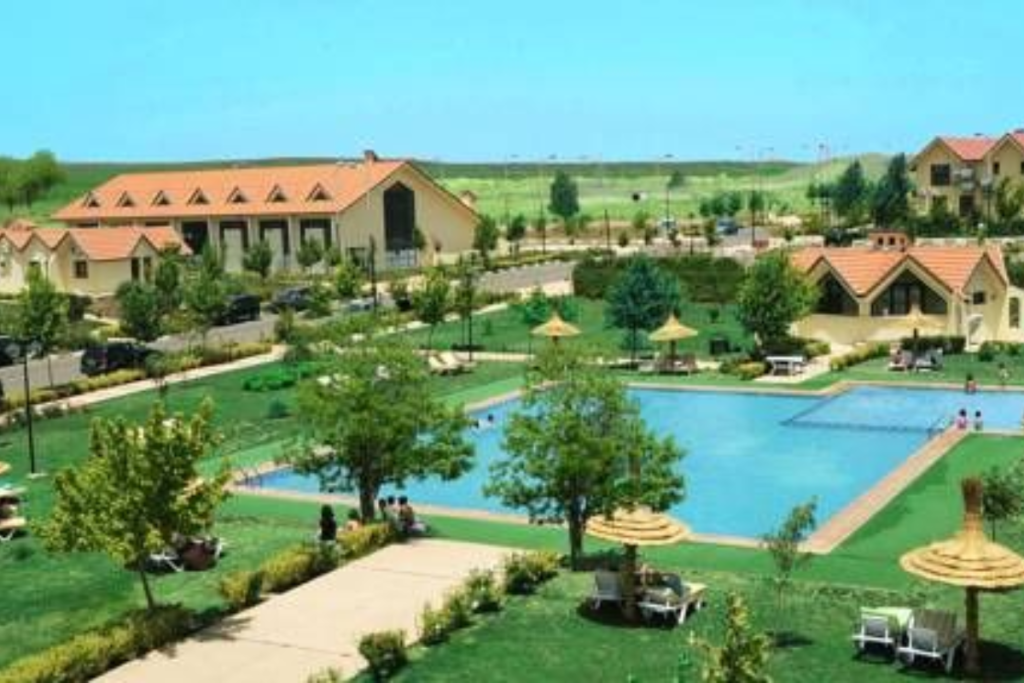
Planning a high-altitude getaway requires careful timing, reliable transport info, and verified trail conditions. Many travelers arrive unprepared for sudden temperature drops or miss hidden viewpoints due to outdated maps. This Ifrane Travel Guide solves those pain points by consolidating up-to-date routing, seasonal forecasts, and locally tested recommendations. We prioritize sustainable tourism, safety, and authentic cultural immersion so you can focus on making memories, not troubleshooting logistics.
Best Seasons & Weather Tips
Timing your visit dramatically shapes your experience. Winter (December–February) blankets the town in snow, opening ski opportunities at nearby Ouzoud and Azrou slopes. Spring (March–May) delivers wildflower meadows, stable trails, and mild daytime temperatures. Summer serves as a cool refuge from Moroccan heatwaves, while autumn paints the cedar valleys in golden hues. For accurate long-range forecasts, consult Meteoblue’s Ifrane Weather Maps and pack moisture-wicking layers regardless of the season.
Where to Stay & Eat
Accommodation options range from budget guesthouses to boutique chalets with fireplace amenities. Book properties near Place du 11 Janvier for walkable access to artisan shops and traditional cafés. Culinary highlights include slow-cooked mountain tagines, wild thyme honey, and hand-churned goat cheese. Pair your meal with mint tea at a family-run riad. If you’re craving broader North African flavors, read our Best Moroccan Street Food Guide for budget-friendly picks across the country.
Getting Around & Practical Advice
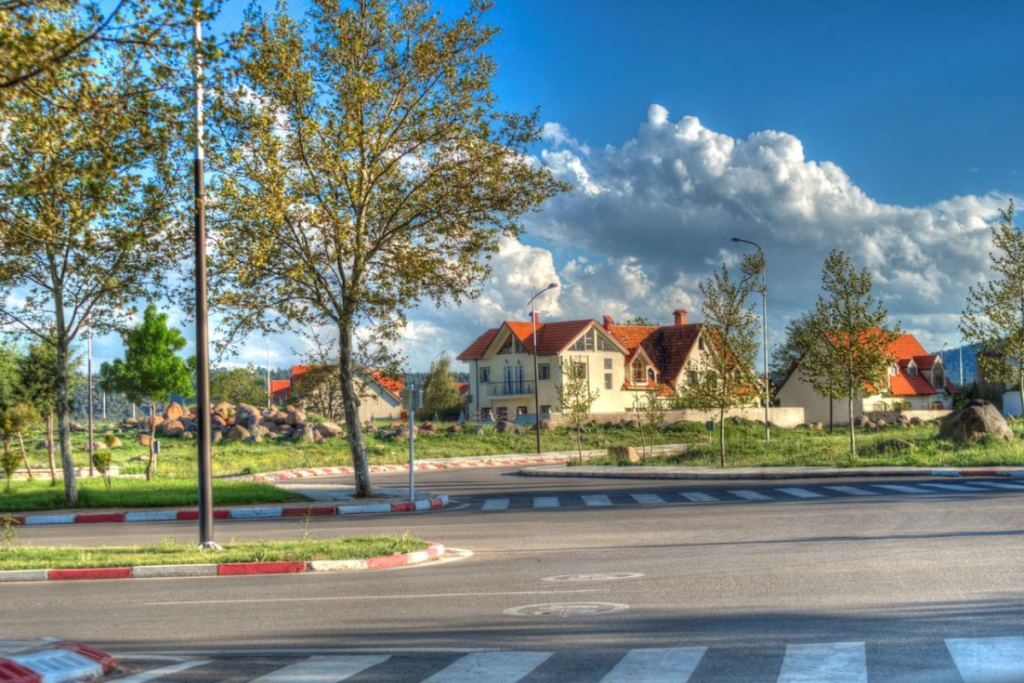
Public CTM buses connect Ifrane to Fes and Meknes daily, but private 4×4 rentals offer unmatched flexibility for remote trails. Download offline navigation apps before heading into higher elevations where cellular coverage fades. Always maintain a safe distance from wildlife, carry reusable water bottles, and tip local guides generously. This Ifrane Travel Guide strongly encourages supporting eco-certified lodges and purchasing from Berber cooperatives to preserve regional heritage.
How to Use This Ifrane Travel Guide Effectively
Bookmark this page for quick reference during packing and route planning. Share it with your travel group to align on budget, hiking difficulty, and photography stops. Cross-reference seasonal advice with your flight or bus schedule, and adjust your itinerary if early snow arrives. We update this Ifrane Travel Guide quarterly to reflect trail closures, new eco-lodges, and transport schedule changes.
Final Tips for Your Mountain Escape
The Middle Atlas rewards curious travelers with untouched landscapes and warm Berber hospitality. By following this Ifrane Travel Guide, you’ll navigate altitude changes, cultural norms, and hidden viewpoints like a seasoned explorer. Pack sturdy footwear, layer intelligently, and leave no trace on pristine trails. For deeper cultural insights, visit the official Visit Morocco Tourism Portal to register for guided eco-tours.
Ready to book your mountain retreat? Drop a comment below with your travel dates—we’ll gladly customize your daily route and recommend certified local guides!
Why This Ifrane Travel Guide Matters
Mountain travel demands precise planning. Sudden fog, shifting trail conditions, and limited cellular coverage can turn a relaxing weekend into a stressful experience. This Ifrane Travel Guide eliminates guesswork by consolidating real-time transportation schedules, altitude acclimatization tips, and locally vetted accommodations. We skip fluff and focus on what actually impacts your itinerary: reliable bus routes, certified eco-lodges, and seasonal closure updates. Bookmark this page before departure and reference it daily to stay aligned with weather shifts and park regulations.
Best Seasons & Mountain Weather Tips
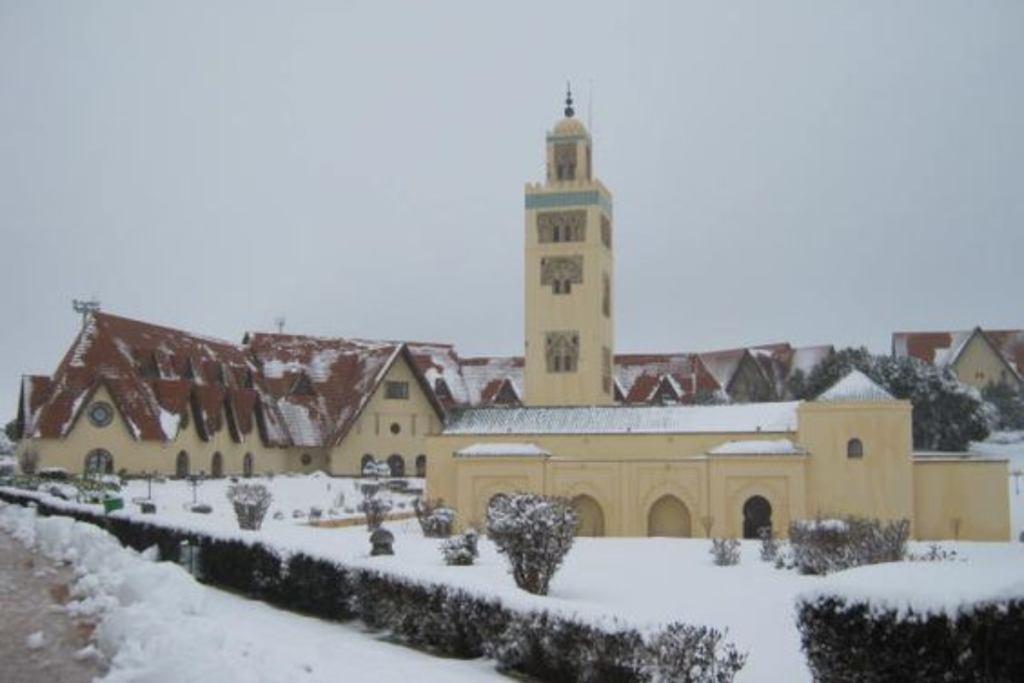
Timing dictates everything in the Atlas range. Winter transforms the town into a postcard paradise, with fresh powder covering pedestrian streets and nearby slopes opening for beginners. Spring delivers crisp air, blooming wildflowers, and stable hiking conditions. Summer serves as a natural heatwave escape, while autumn drapes the valleys in amber and russet tones.
Temperature swings of 15°C are common within hours. Always check Meteoblue’s Ifrane Forecast before packing. Layer moisture-wicking fabrics, pack a compact rain shell, and bring insulated socks year-round. This Ifrane Travel Guide recommends downloading offline weather radar and carrying a portable power bank for navigation apps.
Top Attractions & Unspoiled Nature Trails
City Park & Wildlife Encounters
Begin your exploration at the central City Park, where fallow deer graze near ornamental ponds and winding stone paths. The grounds feature seasonal botanical displays, shaded resting areas, and interactive information boards about local flora. Keep a respectful distance from animals and avoid leaving food scraps. A quick stroll leads to quiet plazas perfect for journaling or sketching mountain panoramas.
Cedar Forests & Ridge Hikes
Just north lies Ifrane National Park, a protected biosphere reserve spanning rugged valleys and ancient cedar stands. Trails like the Tizi N’Test loop offer moderate elevation gains with panoramic ridge views. Marked routes are well-maintained, but winter snow can obscure cairns. Always hike with a certified guide during colder months. This Ifrane Travel Guide advises registering your planned route with park rangers and carrying a basic first-aid kit. For more trekking inspiration, explore our Best Hiking Trails in Morocco resource.
Cultural Landmarks & Colonial Architecture
Downtown Ifrane showcases a rare blend of Berber stonework and early 20th-century French planning. Boulevard Mohammed V features symmetrical facades, wrought-iron lampposts, and boutique artisan shops. The local cultural center hosts rotating exhibitions on Amazigh textiles and mountain ecology. History enthusiasts should visit the heritage archive near Place du 11 Janvier. To extend your regional exploration, check our Morocco Off-the-Beaten-Path Itineraries.
Where to Stay & Taste Local Cuisine
Accommodations range from modest family guesthouses to boutique mountain lodges with wood-fired hearths. Properties near the central square offer walkable access to bakeries, co-ops, and traditional cafés. Mid-tier riads typically include breakfast, reliable heating, and balcony viewpoints. Luxury options provide private transfers and curated nature tours.
Mountain cuisine emphasizes slow-cooked tagines, wild herb honey, and aged goat cheeses. Pair your meal with spiced mint tea at a neighborhood establishment. Street vendors roast chestnuts and sell spiced nuts during cooler evenings. If you prefer exploring urban flavors, read our Morocco Food & Drink Essentials for cross-regional recommendations. This Ifrane Travel Guide strongly encourages supporting women-led cooperatives and purchasing directly from local farmers.
Transportation & Route Planning
Public CTM and Supratours buses connect Ifrane to Fes and Meknes three to five times weekly. Schedules shift seasonally, so verify timetables online before arrival. Private 4×4 rentals and licensed drivers provide unmatched flexibility for remote trailheads and high-altitude passes.
Cellular networks weaken above 1,500 meters. Download offline maps, share your itinerary with emergency contacts, and carry physical trail guides. Altitude adaptation rarely causes issues, but drink 2–3 liters of water daily and avoid strenuous activity on day one. This Ifrane Travel Guide recommends booking return transport before departure to guarantee seats during peak holidays.
Family Activities & Photography Hacks
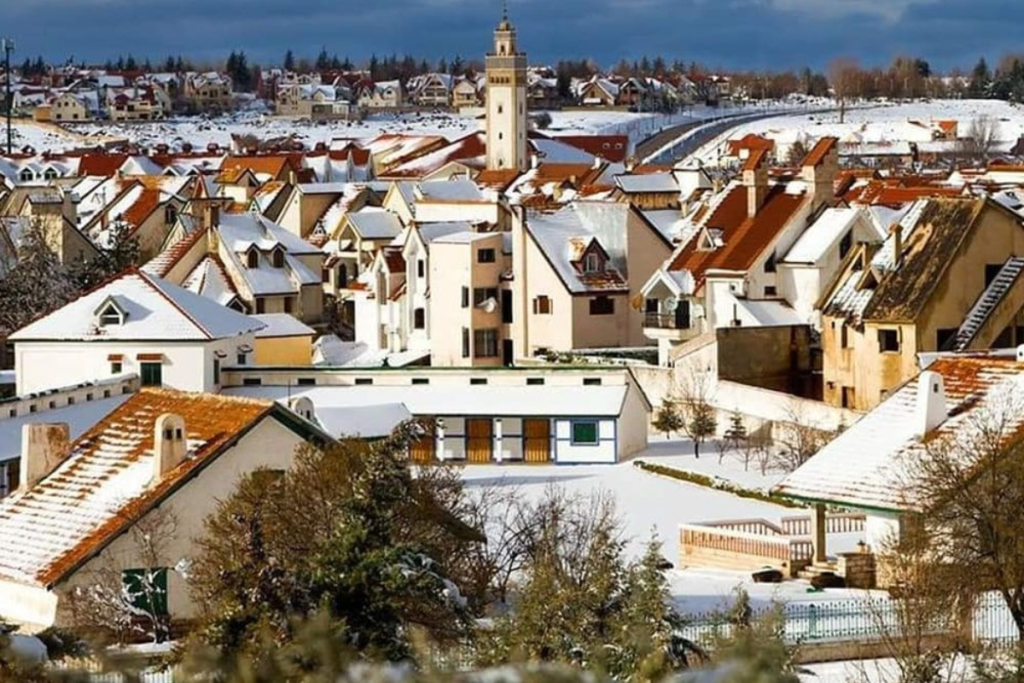
Ifrane welcomes travelers of all ages with gentle walking loops, shaded playgrounds, and interactive ecology centers. Children enjoy spotting deer, collecting smooth river stones, and learning about mountain conservation. Photographers should arrive at dawn or during golden hour to capture soft light on terracotta rooftops.
Use a wide-angle lens for valley sweeps and a polarizing filter to cut through cedar canopy glare. Pack spare memory cards, lens cloths, and handheld stabilizers for windy ridgelines. This Ifrane Travel Guide suggests shooting in RAW format to preserve shadow details in high-contrast mountain lighting. For gear recommendations, visit our Travel Photography Equipment List.
Budget Strategies & Packing Essentials
Daily costs range from 200 MAD for backpackers to 750+ MAD for premium lodges. Save money by booking directly with host families, dining at local dargas, and using shared grand taxis for short hops. Winter gear rentals are more affordable when arranged through your accommodation.
This Ifrane Travel Guide suggests carrying a mix of cash and debit cards, as remote ATMs frequently run dry. Pack a compact dry bag, trekking poles, and a universal power adapter. Always purchase a multi-day park pass if planning consecutive hikes. Review our Morocco Budget Travel Playbook for cross-country saving strategies.
How to Navigate This Ifrane Travel Guide
Use the table of contents to jump to specific planning stages. Cross-reference seasonal advice with your departure date, and adjust hiking difficulty based on fitness levels. We update this Ifrane Travel Guide monthly to reflect trail maintenance, new eco-certifications, and transport schedule changes. Share the link with your group to align on pacing, photography stops, and meal preferences.
Final Checklist Before You Go
Verify park entry requirements, confirm lodge heating systems, and register your vehicle if renting. Pack layered clothing, waterproof footwear, and a reusable water container. Respect local customs by asking permission before photographing residents and leaving trails pristine. For official regional updates, visit the Visit Morocco Official Portal.
Ready to conquer the Middle Atlas? Comment below with your travel window—we’ll gladly map out a customized daily route and connect you with certified mountain guides.
Conclusion: Wrap Up Your Ifrane Travel Guide Planning
Exploring the Middle Atlas is more than a weekend trip—it’s an immersion into Morocco’s alpine soul. With this Ifrane Travel Guide, you now have a structured, up-to-date roadmap to navigate mountain weather, book sustainable lodges, tackle scenic trails, and connect with local Berber traditions. Whether you’re chasing winter snowfall, spring wildflower blooms, or summer ridge breezes, Ifrane rewards thoughtful preparation with quiet valleys, ancient cedar canopies, and authentic mountain hospitality.
Bookmark this page, share it with your travel group, and cross-reference seasonal tips with your departure date. This Ifrane Travel Guide is designed to grow with your itinerary, so return here for trail updates, transport changes, and new eco-certified recommendations. Have questions about hiking difficulty, family-friendly routes, or last-minute lodging? Drop a comment below or reach out for a customized daily plan. Your mountain escape starts with a single step—pack smart, travel respectfully, and let Ifrane’s peaks lead the way.