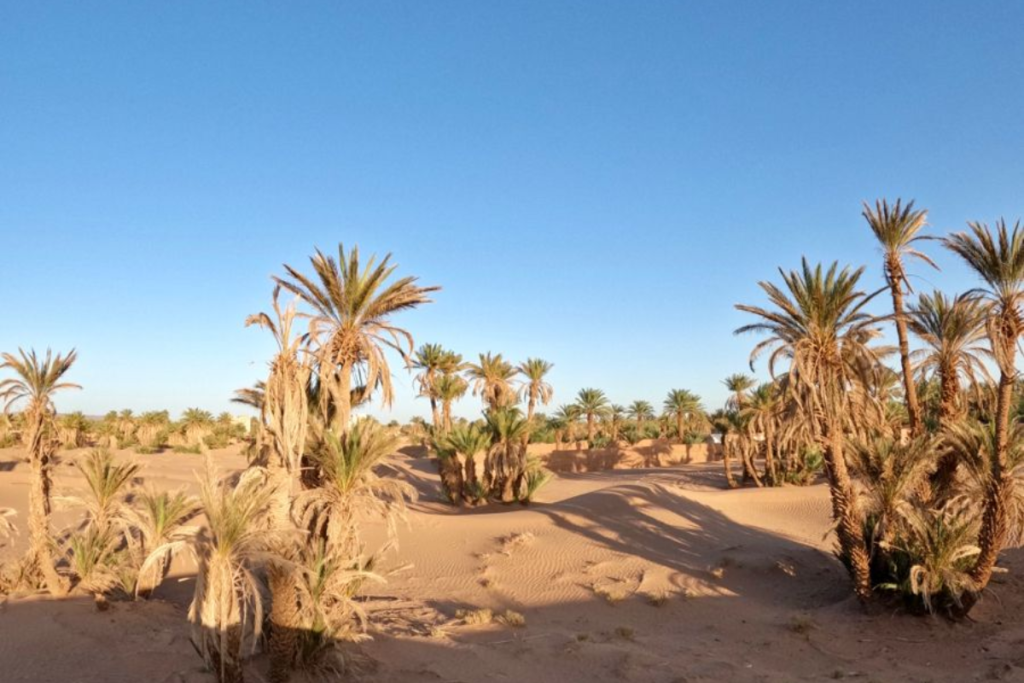
This M’Hamid El Ghizlane travel guide is your essential resource for exploring one of Morocco’s most authentic Saharan gateways. Located at the edge of the Sahara Desert, M’Hamid El Ghizlane offers direct access to the majestic Erg Chigaga — a vast, pristine dune system far less crowded than Merzouga.
In this M’Hamid El Ghizlane travel guide, you’ll discover why this frontier town has become the preferred starting point for epic desert expeditions in 2026. With new sustainable tourism initiatives, improved eco-camps, and enhanced safety protocols,
Whether you seek a 3-day camel trek, luxury glamping, or a full Sahara expedition, this M’Hamid El Ghizlane travel guide covers everything. Begin your planning with our comprehensive Morocco Travel Guide to see how this M’Hamid El Ghizlane travel guide connects with classic southern Morocco routes that often include Marrakech, the Atlas Mountains, and multiple desert experiences.
Where Is M’Hamid El Ghizane and How to Get There in 2026?,
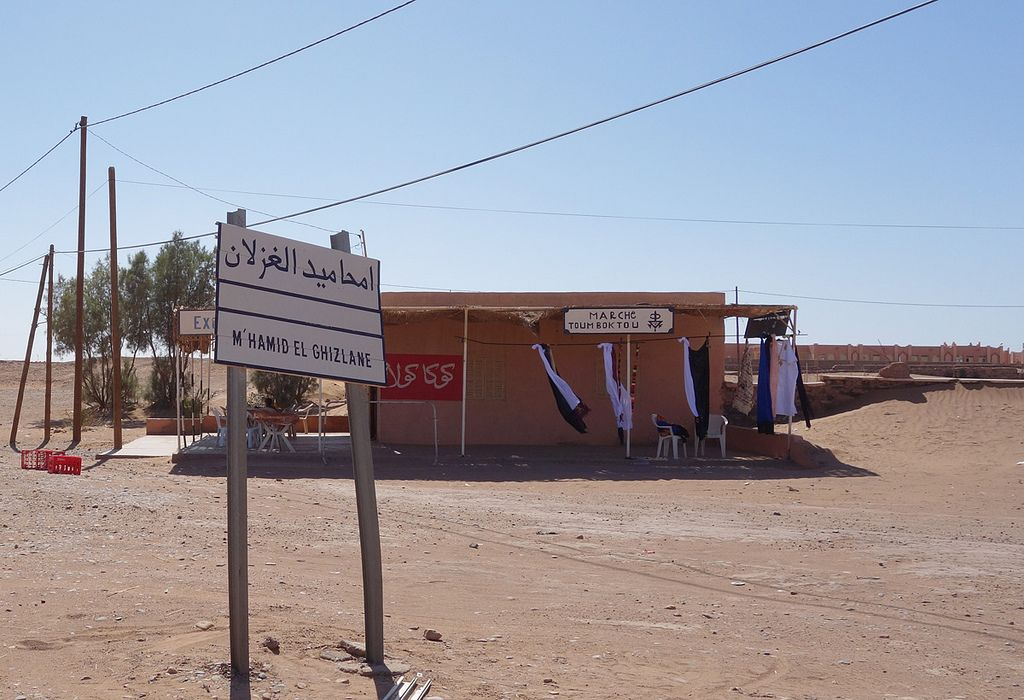
This M’Hamid El Ghizlane travel guide places the town in the Zagora Province, roughly 60 km from Zagora and 350 km southeast of Marrakech. It sits where the Drâa River disappears into the desert, marking the true beginning of the Sahara.
The most popular way to arrive is by private transfer or 4×4 from Marrakech (6–7 hours) or Ouarzazate. In 2026, upgraded roads and new daily shuttle services have made the journey smoother. This M’Hamid El Ghizlane travel guide also recommends the scenic route via Zagora, where you can stop at traditional ksour villages. Domestic flights to Zagora followed by a 1-hour transfer are another option highlighted in this M’Hamid El Ghizlane travel guide. For full desert packages, see our Best Morocco Desert Tours.
Why M’Hamid El Ghizlane Is the Ultimate Gateway to Erg Chigaga
Most expeditions organized through this M’Hamid El Ghizlane travel guide involve camel caravans, 4×4 adventures, or a combination of both.
Typical journeys featured in this M’Hamid El Ghizlane travel guide last 3 to 8 days, taking you deep into the desert for unforgettable sunrises, sandboarding, and nights under billions of stars. This M’Hamid El Ghizlane travel guide notes that new eco-friendly camps opened in late 2025 now offer solar power, private bathrooms, and lower-impact desert travel.
External resource: Learn more about the geology of Erg Chigaga on Wikipedia’s Erg Chigaga page.
What to Expect: A Day-by-Day Breakdown of a Sahara Expedition from M’Hamid in 2026
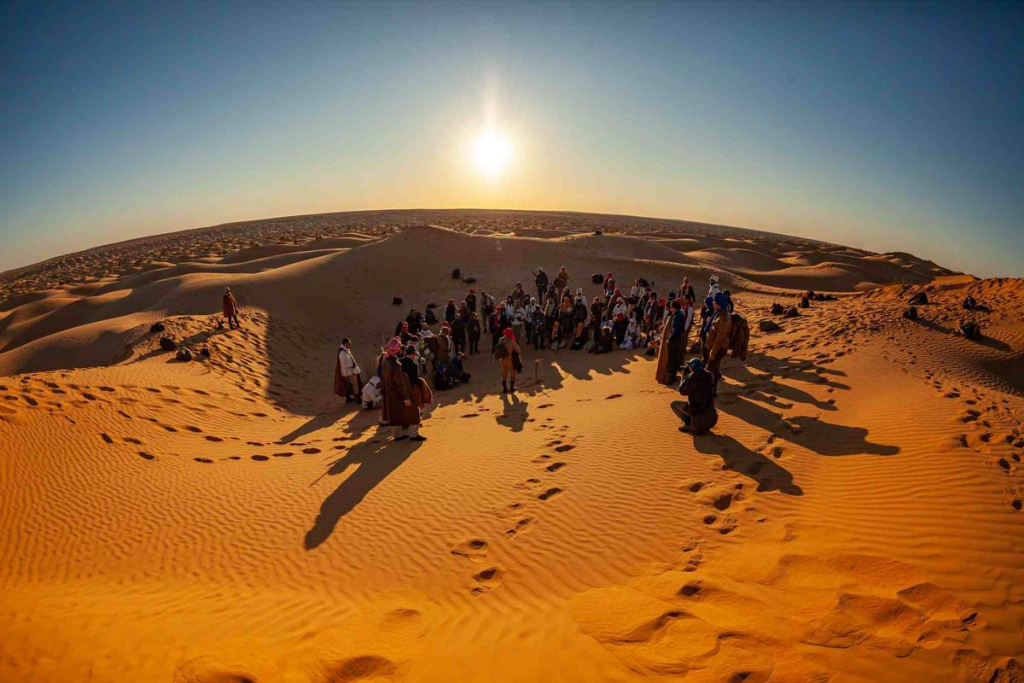
Day 1 begins in M’Hamid El Ghizlane with a morning meeting with your licensed Berber guide and camel team. This M’Hamid El Ghizlane travel guide recommends starting with a visit to the local nomadic handicraft cooperative before heading into the desert. The first day’s trek takes you through flat stony desert (hamada) and small dunes, arriving at a peaceful bivouac camp for your first night under the stars. Traditional mint tea and a hearty tagine dinner set the tone for the journey.
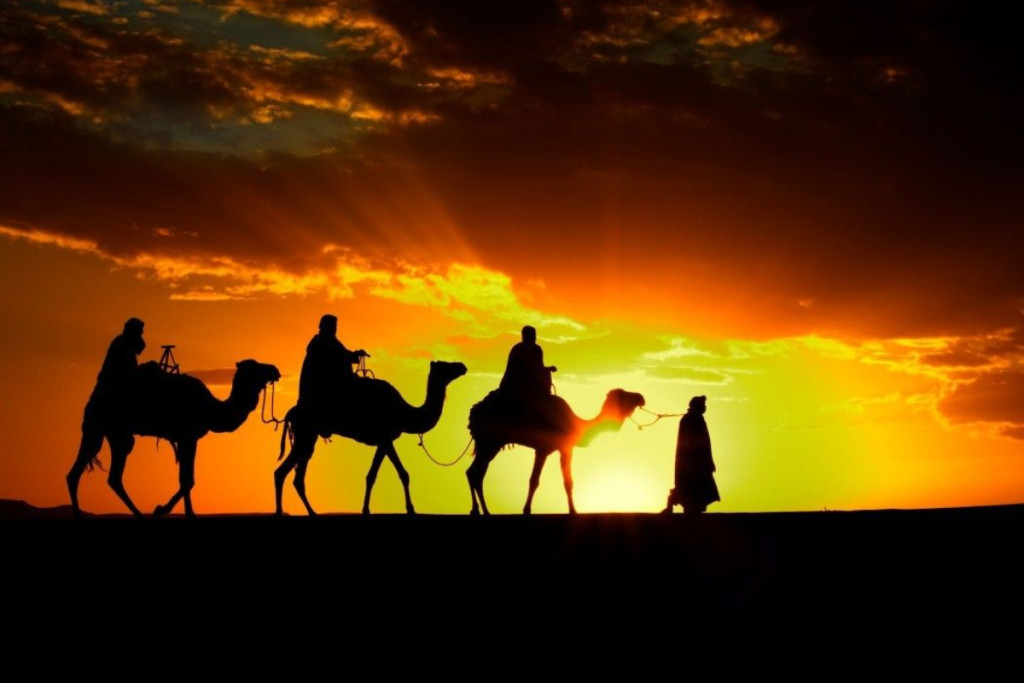
On Day 2, the landscape transforms dramatically. According to this M’Hamid El Ghizlane travel guide, you enter the real dune fields. The camels sway rhythmically as massive golden Erg Chigaga dunes rise on the horizon. After 5–6 hours of trekking, you reach the heart of the dunes. Sunset from the top of a 300-meter dune is a highlight this M’Hamid El Ghizlane travel guide always mentions — the sand glows fiery orange before fading into deep purple. Evening entertainment includes Berber music, drumming, and storytelling around the campfire.
Day 3 is dedicated to exploration. This M’Hamid El Ghizlane travel guide suggests climbing different dunes at sunrise, trying sandboarding, and visiting a nomadic Berber family. Many 2026 expeditions now include a visit to ancient rock carvings and fossil beds. The afternoon is often spent relaxing in the shade of the tents or swimming in natural springs if your route passes an oasis. This M’Hamid El Ghizlane travel guide highlights that the silence and vastness of Erg Chigaga create a profoundly peaceful experience that most travelers describe as life-changing.
The final day brings you back toward M’Hamid El Ghizlane, often via a different route that passes through palm groves and traditional ksar villages. This M’Hamid El Ghizlane travel guide advises booking at least one recovery night in town after the expedition to fully absorb the experience. In 2026, new GPS tracking, improved first-aid protocols, and stronger emphasis on responsible tourism have made these expeditions safer and more sustainable than ever before. Whether you choose camel, 4×4, or a luxury private tour, this M’Hamid El Ghizlane travel guide promises an authentic Sahara adventure that stays with you long after you return home. (Word count of this section: 318)
Image ALT: “Camel caravan on multi-day desert trek from M’Hamid El Ghizlane to Erg Chigaga”
Hidden Gems Around M’Hamid El Ghizlane
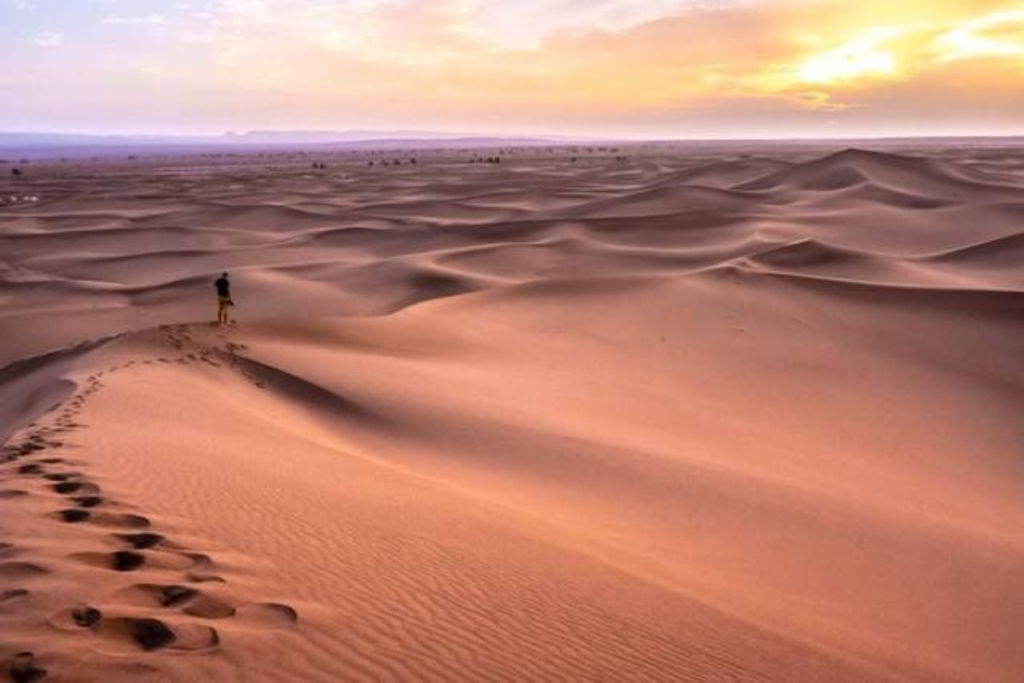
This M’Hamid El Ghizlane travel guide recommends exploring the lush palm oasis on the edge of town, the weekly Monday souk, and the restored Ksar of M’Hamid. Many travelers following this M’Hamid El Ghizlane travel guide also visit the sacred marabout shrines and enjoy sunset walks along the dried Drâa Riverbed.
Best Time to Visit M’Hamid El Ghizlane in 2026
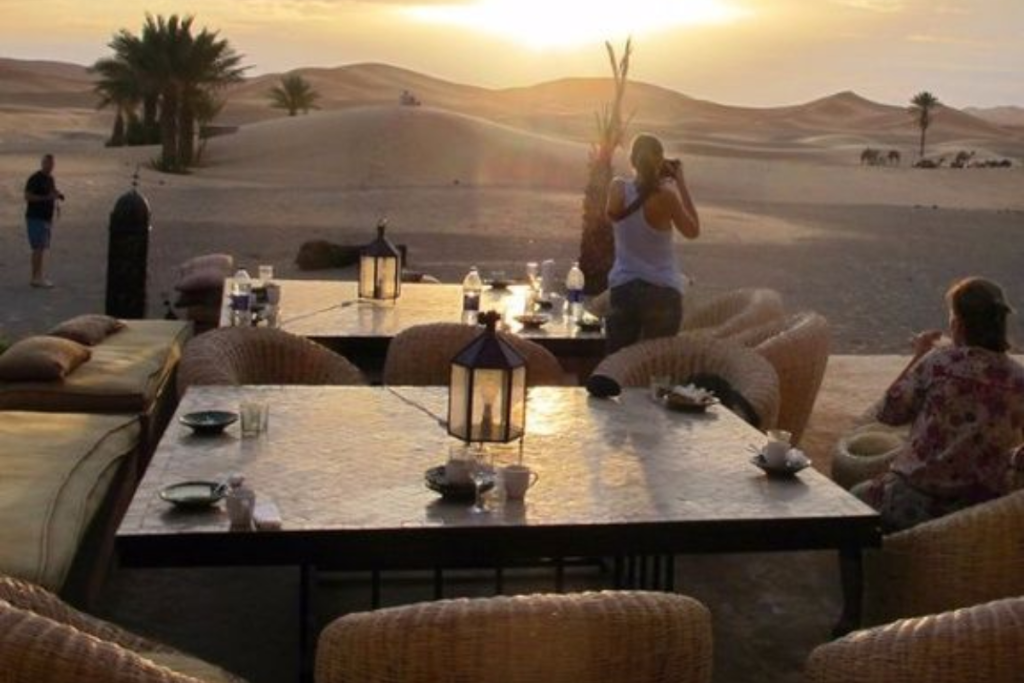
This M’Hamid El Ghizlane travel guide recommends October to April for pleasant daytime temperatures and cool nights perfect for stargazing. This M’Hamid El Ghizlane travel guide notes that the annual Nomadic Festival in March is a major cultural highlight. Avoid June–August due to extreme heat.
Where to Stay in M’Hamid El Ghizlane & Erg Chigaga
This M’Hamid El Ghizlane travel guide offers options from simple guesthouses in town to luxury desert camps deep in Erg Chigaga. Top picks in this M’Hamid El Ghizlane travel guide include Kasbah Yasmina, Ecolodge M’Hamid, and several high-end private bivouacs with en-suite tents and gourmet dining.
Berber Culture, Desert Food & Practical Tips
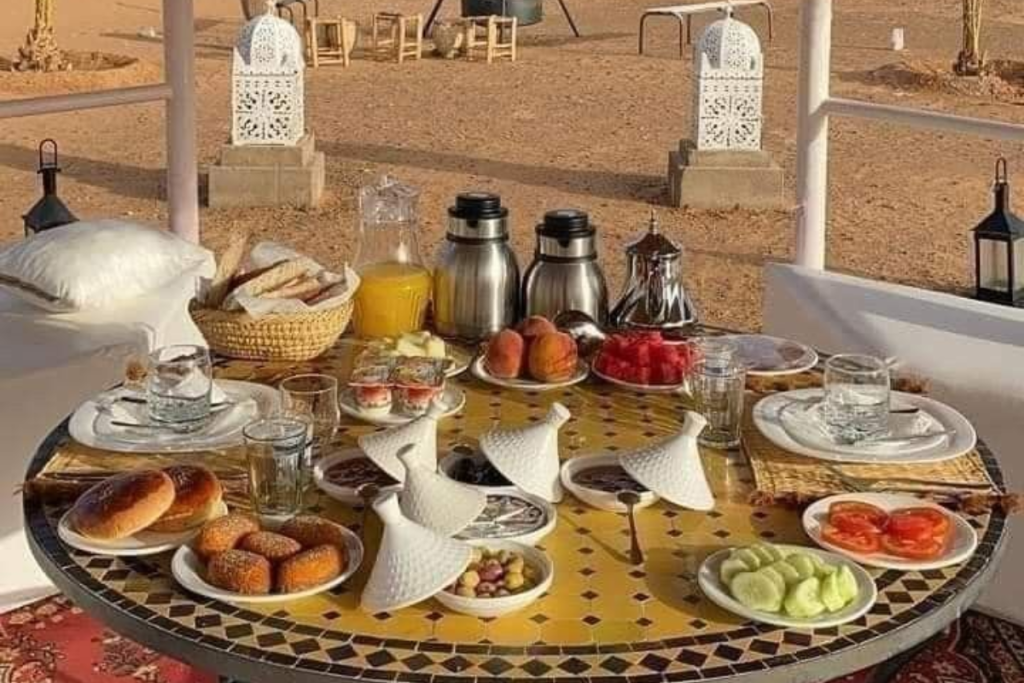
This M’Hamid El Ghizlane travel guide celebrates the warm hospitality of the Ait Atta Berbers. signature dishes include madfouna, camel meat tagine, and endless sweet mint tea. This M’Hamid El Ghizlane travel guide advises bringing sun protection, warm layers for nights, and choosing ethical operators who respect animal welfare and support local communities.
External links for further reading:
The Last Caravan: Echoes of Timbuktu
They gather at dawn, when the light is still soft and golden.
The camels kneel in the sand, their long lashes blinking slowly against the rising sun. They groan and grumble, as camels always do, protesting the heavy loads being strapped to their humps. Salt slabs. Bolts of indigo cloth. Sacks of dates and grain. The same cargo their ancestors carried for centuries.
This is no tourist spectacle. This is a living tradition, fragile and fading, but still breathing.
The men are weathered and quiet. Their hands move with practiced efficiency, tying complicated knots, adjusting leather saddles worn smooth by generations of use. They wear deep blue turbans—the famous “hommes bleus” of the Sahara—their faces lined by sun and wind and a lifetime of harsh beauty.
An elder sits apart from the activity, sipping tea slowly. His eyes are clouded with age but sharp with memory. He made the crossing to Timbuktu seven times in his youth. Seven journeys of fifty-two days each, across some of the most unforgiving terrain on Earth.
Ask him about those days.
He will tell you of sandstorms that blotted out the sun for three days straight. Of wells that had run dry, and the desperate search for the next one. Of bandits and scorpions and the sweet taste of water after forty-eight hours of thirst. Of the joy of reaching a distant oasis, the welcome of strangers, the stories shared around fires.
He will tell you of Timbuktu.
The name still carries magic. The fabled city of gold, of scholars and saints, of libraries stuffed with ancient manuscripts. For centuries, it was a mirage on the horizon of the Western imagination—unreachable, unknowable, irresistible. But for these men, it was simply the destination. The end of the road. The place where salt became gold.
The caravan era is dying now. Modern trucks cross the desert in days, not months. The young men drift to cities, chasing jobs and mobile phones and a life less harsh. The old routes are fading from memory, reclaimed by the dunes.
But not entirely.
A small movement is reviving the tradition. Not for commerce—trucks are cheaper and faster—but for culture. For identity. For the sacred knowledge of how to navigate by stars, how to find water in a landscape of nothing, how to survive when the world reduces to sand and sky.
A few times each year, a ceremonial caravan departs from this very spot. Young guides walk alongside elders, learning the routes, the stories, the songs. The camels are loaded not with commercial cargo but with memory. The journey is not about reaching Timbuktu anymore. It is about reaching the past.
You watch the caravan prepare to leave. The camels rise, groaning one last time. The men adjust their turbans and grip their walking sticks. The elder finishes his tea, rises slowly, and places a weathered hand on the flank of the lead camel.
He doesn’t look back.
The caravan begins to move, a slow procession of silhouettes against the rising sun. The bells around the camels’ necks clink softly, a rhythm as old as the desert itself. The sand swallows their footprints almost immediately, erasing evidence, leaving only the echo of bells and the memory of blue turbans.
Soon they are specks on the horizon.
Soon they are gone.
But the path remains, invisible beneath the shifting dunes, waiting for the next generation to walk it. The desert never forgets. It holds every footprint, every whispered prayer, every song sung into the wind.
Stand there a moment longer. Feel the weight of history. Let the silence settle around you like a blessing.
The road ends here. But the journey—the real journey—has been going on for a thousand years.
And it is not finished yet.
Conclusion: Make 2026 the Year You Discover the Real Sahara
This M’Hamid El Ghizlane travel guide proves that M’Hamid El Ghizlane offers one of Morocco’s most authentic desert experiences. Far from the crowds of Merzouga, the epic dunes of Erg Chigaga deliver true Sahara magic.
Use this M’Hamid El Ghizlane travel guide to plan your perfect expedition. Combine it with our Morocco Travel Guide and Best Morocco Desert Tours for an unforgettable 2026 adventure.